Embark on a journey to master the art of public speaking logistics with our comprehensive guide. This exploration delves into the crucial aspects of arranging speeches and toasts, ensuring every moment on stage is impactful and flows seamlessly. Prepare to uncover strategies that transform potential chaos into orchestrated success, making your events memorable for all the right reasons.
We will meticulously cover the fundamental principles of scheduling, from understanding event types and audience considerations to allocating precise timeframes for various speaking roles. The process of pre-event planning, including essential information gathering and the creation of effective speaker request forms, will be detailed step-by-step. Furthermore, we will explore the intricacies of building a master schedule, incorporating technical checks, managing speaker constraints, and communicating effectively with all involved parties.
Understanding the Fundamentals of Scheduling Speeches and Toasts
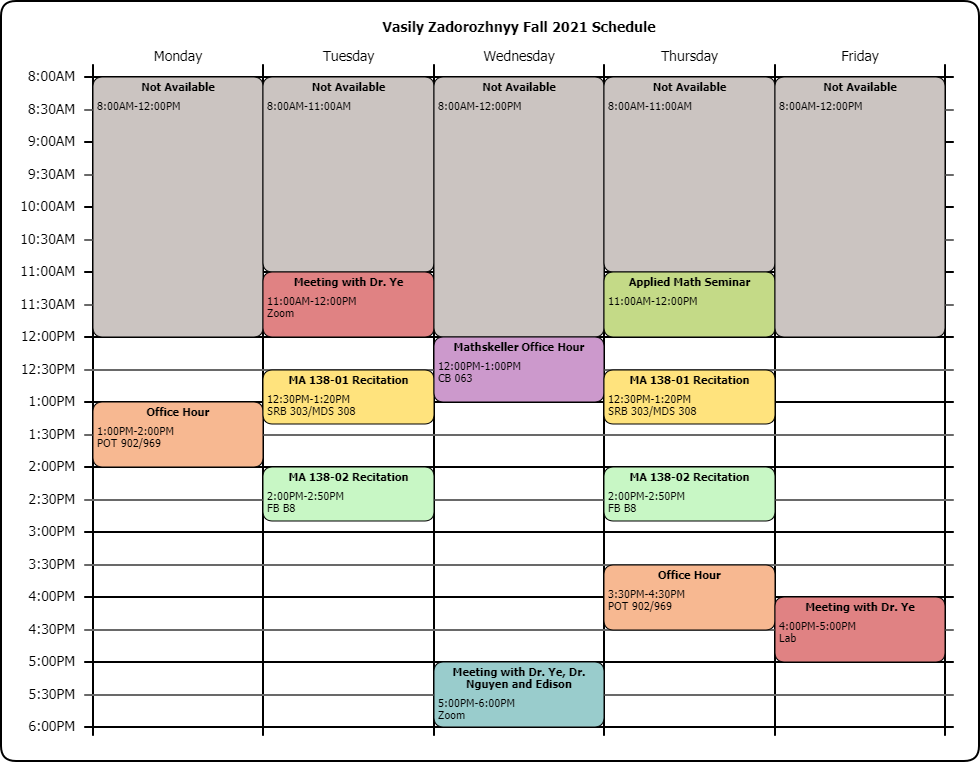
Effective scheduling is the bedrock of a successful public speaking engagement, ensuring that presentations and celebratory remarks are delivered at the opportune moments, enhancing the overall experience for both speakers and attendees. This involves a thoughtful consideration of event dynamics, audience engagement, and the practicalities of time management. Mastering these fundamentals allows for a seamless flow, preventing disruptions and maximizing the impact of each spoken word.The core principles of effective scheduling for public speaking engagements revolve around clarity, precision, and flexibility.
It’s about creating a roadmap that guides the event’s progression, ensuring that each speaking slot is allocated sufficient time without causing undue delays. This requires an understanding of the purpose of each speech or toast, the expected complexity of its delivery, and the audience’s receptiveness to listening.
Common Event Types Featuring Speeches and Toasts
Speeches and toasts are integral components of a wide array of events, each with its unique scheduling considerations. Recognizing these contexts is crucial for accurate time allocation and integration into the event’s agenda.
- Weddings: Toasts from the best man, maid of honor, parents, and the couple themselves are customary. Speeches from close friends or family may also be included. These are typically scheduled during the reception, often after the main meal.
- Corporate Events: This category includes award ceremonies, product launches, annual general meetings, and holiday parties. Speeches from executives, honorees, or guest speakers are common. Scheduling varies widely, from opening remarks to keynote addresses during specific program segments.
- Conferences and Seminars: Keynote speeches, panel discussions, and presentations by experts are central. These are meticulously scheduled within the conference program, with clear time slots for each session.
- Anniversaries and Milestone Celebrations: Similar to weddings, these events often feature heartfelt toasts and speeches from family and friends, usually during a celebratory meal or gathering.
- Funerals and Memorial Services: Eulogies and remembrance speeches are a vital part of honoring the deceased. These are carefully scheduled within the service’s order of events.
- Galas and Fundraisers: Speeches from organizers, beneficiaries, and prominent supporters are common to motivate donations and express gratitude. These are often integrated into the evening’s program, between entertainment or during specific fundraising appeals.
Time Allocation Best Practices for Speaking Slots
Estimating the appropriate time for speeches and toasts requires a blend of experience and practical consideration. Overestimating is generally preferable to underestimating, as it allows for a more relaxed pace and accommodates unforeseen circumstances.
“The true measure of a good speech is not its length, but its impact.”
The following table Artikels general guidelines for time allocation, which should be adjusted based on the specific event and speaker.
| Type of Speech/Toast | Estimated Time | Considerations |
|---|---|---|
| Short Toast (e.g., wedding reception, brief celebration) | 1-3 minutes | Focus on brevity and sentiment. Multiple toasts can be grouped. |
| Standard Wedding Toasts (Best Man, Maid of Honor) | 3-5 minutes | Allows for a brief anecdote and well wishes. |
| Parental Toasts (Wedding) | 3-5 minutes | Often include advice and blessings. |
| Keynote Speech (Conference/Corporate) | 20-45 minutes | Depends on the speaker’s renown and the topic’s depth. Includes potential Q&A. |
| Award Acceptance Speech | 1-3 minutes | Express gratitude concisely. |
| Eulogy/Remembrance Speech | 3-7 minutes | Focus on personal memories and impact. |
| Product Launch Presentation | 10-20 minutes | Includes demonstration or key feature highlights. |
For instance, at a wedding, if there are four standard toasts, allocating 5 minutes each (20 minutes total) is prudent. However, if one speaker is known for lengthy stories, you might allocate 7 minutes for that specific toast and adjust others slightly. In a corporate setting, a keynote speaker who is a renowned industry leader might command a 45-minute slot, whereas a department head’s update might be limited to 15 minutes.
Audience and Event Flow Considerations in Scheduling
The audience’s engagement level and the overall event flow are paramount when determining the optimal placement and duration of speeches and toasts. Scheduling should not disrupt the natural rhythm of the event but rather enhance it.
- Audience Energy Levels: Place more engaging or longer speeches when the audience is most alert. For example, a keynote address is often best placed after an initial break or when attendees are settled, not immediately after a heavy meal when energy levels might dip. Toasts at a wedding reception are typically more impactful when delivered after guests have had time to mingle and enjoy their meals.
- Event Transitions: Speeches and toasts can serve as natural transition points between different segments of an event. For example, a welcome speech can signal the official start of a conference, and a closing remarks speech can mark the end of a corporate dinner.
- Minimizing Speaker Fatigue: Avoid scheduling too many speeches back-to-back, especially at longer events. This can lead to speaker fatigue and diminished audience attention. Incorporate breaks or other activities between speaking slots.
- Audience Size and Demographics: A smaller, more intimate gathering might accommodate longer, more personal speeches. A large, diverse audience might benefit from shorter, more universally appealing messages. Consider the cultural context of the audience; some cultures are more accustomed to and appreciative of longer speeches than others.
- Catering and Refreshment Breaks: Ensure that speeches and toasts do not directly conflict with critical catering times or planned refreshment breaks, as this can lead to a divided audience and reduced attention. For instance, scheduling a formal awards ceremony during the main dinner service can be challenging.
- Technical Requirements: Factor in the time needed for speakers to set up microphones, adjust slides, or prepare any other technical elements. This buffer time is crucial to prevent delays.
A well-scheduled speech or toast acts as a catalyst, moving the event forward and reinforcing its purpose. Conversely, poor scheduling can lead to disinterest, rushed presentations, and a disjointed experience. For example, scheduling a sensitive memorial speech too early in a celebratory event might feel out of place, whereas placing it after a period of reflection might be more appropriate.
Similarly, at a bustling conference, a lengthy, technical presentation scheduled during a peak networking time would likely be poorly attended. The goal is to create a harmonious progression where each element, including spoken contributions, contributes positively to the overall experience.
Creating a Master Schedule and Logistics
Having laid the groundwork by understanding the fundamentals of scheduling speeches and toasts, the next crucial step involves the meticulous creation of a master schedule and the orchestration of all associated logistics. This phase transforms theoretical planning into a tangible roadmap, ensuring that every speaker, technical requirement, and transitional element is accounted for, leading to a seamless and impactful event.This section delves into the practical application of scheduling principles, focusing on building a robust master schedule that accommodates various complexities, from multiple speakers to intricate technical needs.
It provides actionable strategies for organizing time effectively and communicating the plan clearly to all involved parties.
Sample Schedule for a Multi-Speaker Event with Buffer Times
A well-structured schedule is the backbone of any successful event. For multi-speaker engagements, incorporating buffer times is not merely a suggestion but a necessity to absorb unforeseen delays and maintain the overall flow. This sample schedule illustrates how to allocate time effectively, ensuring a smooth experience for both speakers and attendees.Here is a sample schedule for a hypothetical conference session with four speakers, including essential buffer times:
| Time Slot | Activity | Duration | Notes |
|---|---|---|---|
| 9:00 AM – 9:15 AM | Speaker 1: Opening Remarks | 15 minutes | Introduction of topic and key themes. |
| 9:15 AM – 9:20 AM | Buffer/Transition | 5 minutes | Time for Speaker 1 to exit, Speaker 2 to approach the stage. |
| 9:20 AM – 9:40 AM | Speaker 2: Presentation on Topic A | 20 minutes | Core content delivery. |
| 9:40 AM – 9:50 AM | Buffer/Technical Check | 10 minutes | Water for Speaker 2, check audio/visual for Speaker 3. |
| 9:50 AM – 10:10 AM | Speaker 3: Presentation on Topic B | 20 minutes | Engaging delivery with visual aids. |
| 10:10 AM – 10:20 AM | Buffer/Q&A Preparation | 10 minutes | Speaker 3 concludes, moderator prepares for Q&A. |
| 10:20 AM – 10:40 AM | Speaker 4: Case Study/Practical Application | 20 minutes | Real-world examples and insights. |
| 10:40 AM – 10:55 AM | Buffer/Wrap-up | 15 minutes | Speaker 4 concludes, facilitator summarizes key takeaways. |
| 10:55 AM – 11:00 AM | Final Remarks & Transition to Next Session | 5 minutes | Brief thank you and announcement. |
This structure ensures that even if a speaker runs a few minutes over, or if there’s a minor technical glitch, the subsequent parts of the schedule are not immediately thrown into disarray.
Incorporating Technical Checks and Transitions
Seamless transitions and thorough technical checks are vital for maintaining the professional polish of any event. These elements, often overlooked in initial planning, can significantly impact the attendee experience and the speakers’ confidence. Integrating them into the master schedule from the outset prevents last-minute scrambling and potential disruptions.To effectively incorporate technical checks and transitions:
- Pre-Event Technical Rehearsals: Schedule dedicated time slots, ideally days or at least hours before the event, for each speaker to test their audio, visual aids (presentations, videos), and any other equipment they will use. This allows for troubleshooting in a low-pressure environment.
- On-Stage Technical Checks: Allocate specific buffer times between speakers for a quick, on-stage check. This involves ensuring microphones are working, projectors are displaying correctly, and any remote controls are functional. This is distinct from a full rehearsal and focuses on immediate readiness.
- Transition Personnel: Designate specific individuals (e.g., event staff, AV technicians) responsible for assisting speakers on and off stage, managing any props, and ensuring smooth transitions. Their roles and timing should be clearly marked in the schedule.
- Clear Cues: Establish clear visual or auditory cues for speakers to know when their time is nearing its end and when it’s time to conclude. This can be managed by a stage manager or AV technician.
- Digital Transition Management: For virtual or hybrid events, ensure dedicated time for screen sharing tests, ensuring participants can see and hear clearly, and that any pre-recorded segments or links are ready to be activated.
The master schedule should explicitly list these checks and transitions, assigning them durations and responsible parties, much like the speaker slots themselves.
Managing Multiple Speakers with Overlapping Availability Constraints
Handling speakers with conflicting schedules requires a strategic and flexible approach to master scheduling. This often involves creative time slotting, prioritizing, and clear communication to find mutually agreeable arrangements.Key strategies for managing speakers with overlapping availability constraints include:
- Prioritization Based on Role/Importance: Determine the relative importance of each speaker to the event’s narrative. Keynote speakers or those presenting critical information might be given priority in securing their preferred time slots.
- Flexible Time Slotting: Instead of rigid blocks, consider offering speakers a range of potential time slots. This might involve earlier or later slots, or even splitting a presentation across different parts of the event if feasible.
- Pre-Recorded Sessions: For speakers who cannot attend in person or be present for live delivery, offering the option to pre-record their session is an excellent solution. This content can then be played during the live event, with the speaker available for a live Q&A if their schedule permits.
- Hybrid Delivery Models: For speakers who can only commit to a portion of the event, a hybrid approach can work. They might deliver their speech live for a specific segment and then participate in a virtual Q&A later.
- Negotiation and Compromise: Engage in open communication with speakers to understand their constraints and explore potential compromises. Sometimes, a slight adjustment to their preferred time can resolve conflicts without significantly impacting their availability.
- Contingency Planning: Always have a backup plan. If a speaker’s availability becomes critically limited, identify potential substitute speakers or alternative content that can fill the gap.
The master schedule should clearly indicate any special arrangements made for speakers with availability constraints, such as pre-recorded segments or specific time windows for their participation.
Communicating the Finalized Schedule to All Stakeholders
Effective communication of the finalized master schedule is paramount to ensuring everyone involved is aligned and prepared. This includes speakers, moderators, technical staff, event organizers, and even key attendees who might need to plan their participation around specific sessions.Methods for communicating the finalized schedule include:
- Centralized Digital Platform: Utilize an event management software, a shared cloud document (like Google Sheets or a collaborative document), or a dedicated event app. This ensures that all stakeholders have access to the most up-to-date version of the schedule.
- Personalized Email Distribution: Send out the finalized schedule via email, tailoring the message to each stakeholder group. For speakers, this email should include their specific time slot, any technical requirements, and contact information for their point person.
- Printed Copies for On-Site Events: For in-person events, provide printed copies of the schedule at registration desks, on tables, or in attendee packets. Ensure these are clearly formatted and easy to read.
- Briefing Sessions: Conduct pre-event briefing sessions for key personnel, such as moderators, ushers, and technical crew. This allows for a walk-through of the schedule, clarification of roles, and an opportunity to address any questions.
- Visual Display: For larger events, consider displaying the schedule on screens throughout the venue, especially for general announcements and upcoming sessions.
- Regular Updates: If any changes are made to the schedule after the initial distribution, ensure that all stakeholders are promptly notified of the revisions through the same communication channels used for the initial distribution.
“A clear and accessible schedule is the roadmap to a successful event; it guides every participant and ensures a cohesive journey.”
Handling Unexpected Changes and Contingencies
Even with meticulous planning, the dynamic nature of events means that unforeseen circumstances can arise. Being prepared to adapt your schedule swiftly and effectively is crucial for maintaining a smooth flow and a positive experience for both speakers and attendees. This section will guide you through managing disruptions, from speaker delays to schedule overruns, ensuring your event remains on track.The ability to pivot when unexpected issues arise is a hallmark of a well-managed event.
Proactive contingency planning and clear communication strategies are your most valuable tools in navigating these moments with grace and professionalism.
Speaker Delays and Unavailability
When a scheduled speaker encounters a delay or becomes unavailable, immediate and decisive action is necessary to minimize disruption. The primary goal is to fill the gap without compromising the overall event integrity or attendee engagement.There are several effective strategies to adapt the schedule in such situations:
- Speaker Substitution: Identify a backup speaker from your existing lineup who can present on a related topic or whose presentation can be moved forward. This might involve a brief conversation with the substitute speaker to ensure they are prepared to adjust their timing.
- Content Adjustment: If a direct substitution isn’t feasible, consider an earlier Q&A session with an existing panel, a brief interactive activity, or a short break to allow time for the delayed speaker to arrive or for alternative arrangements to be made.
- Information Dissemination: If the delay is significant, consider a brief announcement to the audience, managing expectations without causing undue alarm.
- Reordering Segments: Review the remaining schedule to see if other segments can be reordered to accommodate the delay. This requires a flexible schedule that allows for some degree of fluidity.
Managing Schedule Overruns Gracefully
Schedule overruns can occur due to extended discussions, technical issues, or speakers exceeding their allotted time. The key to managing these situations is to address them proactively and transparently.Effective techniques for managing schedule overruns include:
- Timekeeping and Gentle Reminders: Assign a dedicated timekeeper who can discreetly signal speakers as they approach their time limit. Polite, pre-arranged cues can be very effective.
- Pre-defined Buffer Times: Incorporate small buffer periods between sessions in your master schedule. These buffers can absorb minor overruns without impacting subsequent events.
- Concise Session Summaries: If a session is running long, the moderator can offer to provide a brief summary of remaining points or suggest that further discussion can continue during a break or Q&A.
- Audience Communication: If an overrun significantly impacts the schedule, a brief announcement to the audience about the adjusted timings for upcoming sessions can manage expectations and prevent confusion.
Communicating Schedule Adjustments in Real-Time
Timely and clear communication is paramount when schedule adjustments are necessary. Attendees need to be informed promptly and accurately to avoid frustration and ensure they can still participate effectively in the event.Strategies for real-time communication of schedule adjustments include:
- Event App Notifications: Utilize event management apps to send push notifications to attendees regarding any changes to the schedule, speaker substitutions, or revised timings.
- On-site Announcements: Have a designated person responsible for making clear, concise announcements at key moments, such as during transitions between sessions or at the beginning of a new segment.
- Digital Display Boards: If your venue has digital screens, ensure they are updated promptly with the latest schedule information.
- Designated Information Desk: A physical information desk or a readily available event staff member can answer attendee questions and provide updated schedule details.
- Social Media Updates: For larger events, a designated social media channel can be used to disseminate urgent schedule changes to a wider audience.
Potential Scheduling Pitfalls and Mitigation Strategies
Several common pitfalls can undermine even the most carefully crafted speech and toast schedule. Recognizing these potential issues in advance allows for the implementation of proactive mitigation strategies.Potential pitfalls and their mitigation strategies are as follows:
- Overly Ambitious Scheduling: Packing too many speeches or toasts into a limited timeframe is a frequent mistake.
Mitigation: Build in generous time allowances for each segment, including setup, delivery, and audience reaction. Always err on the side of more time than less.
- Lack of Speaker Confirmation: Failing to reconfirm speaker availability and technical requirements shortly before the event.
Mitigation: Conduct a final confirmation call or email with all speakers 24-48 hours before the event to confirm their attendance, presentation topic, and any specific technical needs.
- Unforeseen Technical Glitches: Audio-visual equipment failures or connectivity issues can derail a schedule.
Mitigation: Conduct thorough technical checks of all equipment well in advance. Have backup equipment readily available and ensure a technician is on-site and accessible.
- Insufficient Transition Time: Not allocating enough time for speakers to set up, for microphones to be passed, or for attendees to move between sessions.
Mitigation: Explicitly schedule transition times between each speaking slot. This allows for a smooth handover and minimizes delays.
- Ignoring Audience Engagement: Assuming speeches will be delivered and received without accounting for audience interaction or questions.
Mitigation: Incorporate dedicated Q&A time or interactive segments within or following speeches. This can also help absorb minor time overruns by shifting focus.
Advanced Scheduling Techniques and Tools
Moving beyond the foundational aspects of speech and toast scheduling, this section delves into sophisticated strategies and technologies that can elevate your organizational prowess. By leveraging advanced techniques and the right tools, you can achieve greater precision, flexibility, and efficiency in managing your speaking engagements. This involves a careful selection of software, strategic prioritization, and meticulous planning for unique environmental and logistical requirements.
Software and Organizational Tools Comparison
The landscape of scheduling tools is diverse, offering solutions from simple digital calendars to complex project management platforms. Selecting the right tool depends on the scale and complexity of your scheduling needs. Each category offers distinct advantages for managing speeches and toasts.
- Digital Calendars (e.g., Google Calendar, Outlook Calendar): These are excellent for basic scheduling, setting reminders, and sharing availability. They are intuitive and widely accessible, making them ideal for individual speakers or small teams. Their strength lies in their simplicity and integration with other daily tasks.
- Project Management Software (e.g., Asana, Trello, Monday.com): These platforms offer more robust features for tracking multiple events, managing speaker information, assigning tasks, and collaborating with a team. They are particularly useful for organizing large conferences or series of events, allowing for detailed task breakdown and progress monitoring.
- Dedicated Event Management Software (e.g., Cvent, Eventbrite – for event-wide scheduling): While broader in scope, these tools often include robust scheduling modules that can manage speaker lineups, session times, and room allocations. They are best suited for large-scale events with complex logistical requirements.
- Specialized Scheduling Apps (e.g., Calendly, Acuity Scheduling): These tools are designed to streamline the booking process, allowing speakers or organizers to set availability and let others book slots directly. They are highly effective for managing interview requests or one-on-one speaking opportunities.
Tiered Speaker Priority System
Establishing a tiered system for speaker priority is crucial for events where not all speakers hold the same weight or influence. This framework ensures that high-impact speakers are accommodated optimally, contributing to the overall success and flow of the event. The prioritization should consider the speaker’s profile, the topic’s relevance to the audience, and the desired audience engagement.
The following framework Artikels a tiered approach to speaker prioritization:
- Tier 1: Keynote Speakers and Distinguished Guests
- These individuals are typically high-profile figures whose presence significantly draws attendees and elevates the event’s prestige.
- Scheduling for this tier should be done earliest, offering them prime slots (e.g., opening, closing, or prime mid-day).
- Consider their travel and accommodation needs with utmost urgency.
- Tier 2: Featured Speakers and Panelists
- These speakers are experts in their fields and contribute substantial content to the event.
- They should be scheduled after Tier 1 speakers, with consideration for topic flow and audience breaks.
- Ensure their sessions are placed to maximize attendance and engagement.
- Tier 3: Breakout Session Speakers and Emerging Voices
- These speakers offer specialized knowledge or represent emerging trends.
- Their scheduling can be more flexible, placed in breakout sessions or during less peak times.
- Ensure clear communication regarding their session times and locations.
- Tier 4: Supporting Speakers and Demonstrators
- These individuals provide supplementary content or practical demonstrations.
- Their scheduling is the most flexible and can fill gaps or complement other sessions.
Scheduling for Specific Environmental Conditions
Certain speeches and toasts benefit significantly from, or even require, particular environmental conditions to be effective. This necessitates proactive planning to ensure these conditions are met, enhancing the speaker’s delivery and the audience’s experience.
- Lighting: For presentations involving visual aids or specific atmospheric effects, detailed lighting plans are essential. This includes specifying the type of lighting (e.g., spotlight, ambient, stage lighting), intensity, and color temperature. For example, a product demonstration might require bright, even lighting, while a dramatic monologue could benefit from more focused, atmospheric lighting.
- Acoustics: The sound quality of a venue is paramount for clear speech delivery. This involves assessing the room’s natural acoustics, identifying potential echo points, and determining the need for amplification systems. For musical performances or speeches requiring precise vocal projection, acoustic treatment or sound engineers may be necessary.
- Stage Setup and Equipment: The physical setup of the stage, including podium placement, lectern stability, microphone availability, and the presence of any necessary props or demonstration equipment, must be confirmed well in advance. For a science demonstration, ensuring stable surfaces and access to power outlets is critical.
- Audience Seating and Sightlines: The arrangement of seating can impact audience engagement. For lectures, theatre-style seating is common. For workshops or interactive sessions, round tables might be preferred. Ensuring clear sightlines to the speaker and any visual aids is a fundamental aspect of environmental planning.
Framework for Scheduling International Speakers
Scheduling speakers from different countries presents unique challenges, primarily due to time zone differences and the logistics of international travel. A well-structured framework is vital to ensure smooth coordination and a positive experience for all involved.
The following framework addresses the key considerations for scheduling international speakers:
| Consideration | Approach | Example |
|---|---|---|
| Time Zone Differences | Utilize online time zone converters and clearly state all times in both the speaker’s local time and the event’s local time. Schedule calls and meetings during overlapping working hours, or be prepared to accommodate early morning or late evening calls for one party. | If an event is in New York (EST) and the speaker is in Tokyo (JST), a 10:00 AM EST start is 11:00 PM JST. Communicate this clearly: “Your presentation is scheduled for 10:00 AM EST (11:00 PM JST).” |
| Travel and Visas | Initiate the invitation process early to allow ample time for visa applications and travel arrangements. Provide comprehensive information on travel logistics, accommodation, and local transportation. Offer support for visa processing. | For a speaker from China attending a conference in London, begin the invitation process at least 6-8 months in advance to allow for visa application timelines and flight bookings. |
| Cultural Nuances and Communication Styles | Research and be mindful of cultural differences in communication, etiquette, and presentation styles. Adapt your communication approach accordingly and provide context for the event and audience. | A speaker from a culture that values indirect communication might require more explicit instructions regarding session timing and expectations compared to a speaker from a culture that favors directness. |
| Technical Requirements and Connectivity | For virtual presentations or hybrid events, confirm the speaker’s internet bandwidth, preferred video conferencing platform, and any specific technical needs. Conduct a technical rehearsal well in advance. | A speaker joining remotely from a rural area might require a more stable platform like Zoom or Microsoft Teams, and pre-event testing of their microphone and camera is essential. |
| Contingency Planning | Develop backup plans for potential travel disruptions, technical failures, or unexpected personal issues. This might include having a pre-recorded session or a designated backup speaker. | If an international speaker’s flight is severely delayed, having a pre-recorded version of their presentation available for live streaming can ensure their contribution is still delivered. |
Best Practices for Toast Scheduling
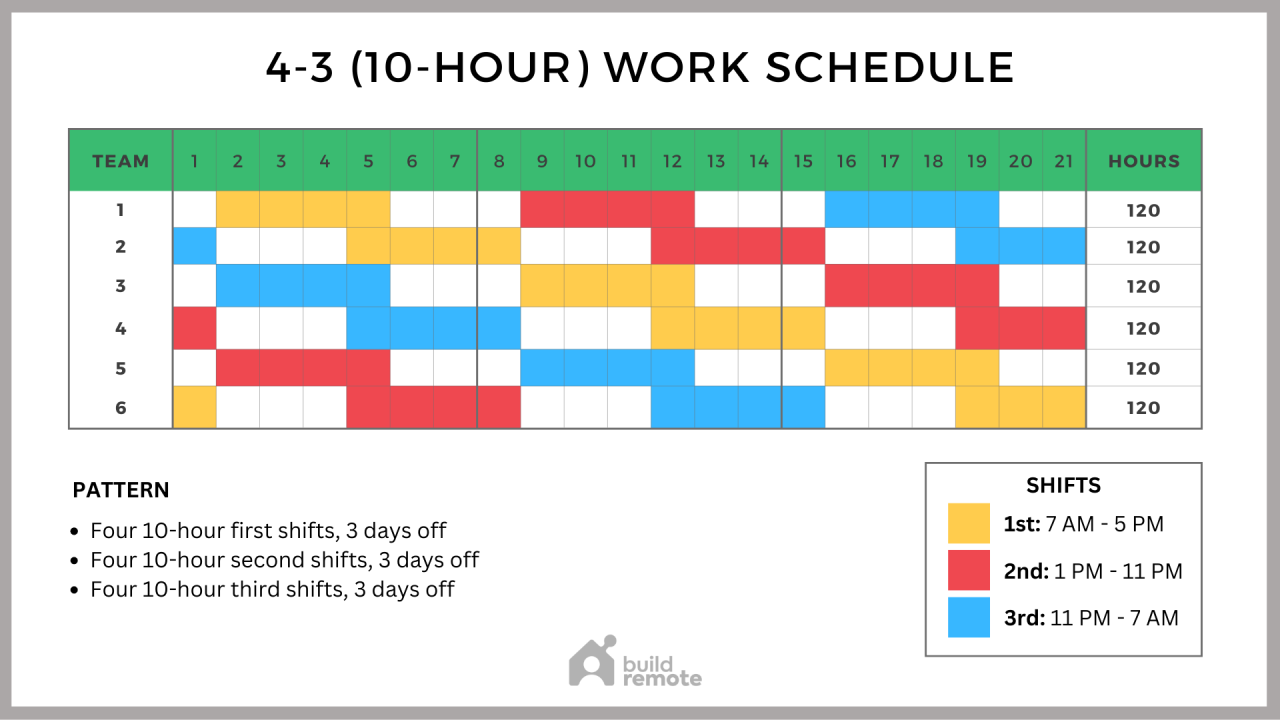
Effectively scheduling toasts is crucial for ensuring they enhance, rather than disrupt, the flow of any social or formal gathering. This section delves into the optimal placement, duration, and management of toasts to create memorable and smoothly executed moments.The integration of toasts into an event’s timeline requires careful consideration of the overall program. By strategically placing toasts, you can punctuate key moments, acknowledge individuals, and add a personal touch without causing significant delays.
Typical Toast Placement and Duration
Toasts are most impactful when strategically positioned to acknowledge significant moments or transitions within an event. Their duration should be respected to maintain the event’s momentum.The placement and length of toasts vary depending on the nature of the gathering:
- Weddings: Toasts are commonly offered during the reception, often after the main course has been served or before the cake cutting. The Best Man, Maid of Honor, parents of the couple, and sometimes the couple themselves will offer toasts. Each toast typically lasts between 2 to 5 minutes.
- Formal Dinners/Galas: Toasts might occur at the beginning of the meal to welcome guests, during a specific course to honor an individual or organization, or at the conclusion to express gratitude. Durations are generally kept brief, often 1 to 3 minutes.
- Informal Gatherings (e.g., Birthdays, Anniversaries): Toasts can be more spontaneous but are often coordinated around key activities like opening gifts or before dessert. These are typically shorter, around 1 to 3 minutes.
- Business Meetings/Conferences: Toasts are less common but may be used to celebrate achievements or welcome esteemed guests. They are usually very brief, often under 2 minutes.
Coordinating Toasts with Other Program Elements
Seamlessly integrating toasts with other scheduled activities ensures a cohesive and engaging event experience. This requires foresight and clear communication with all involved parties.When planning the schedule for events like weddings or celebrations, it is essential to view toasts not as isolated speeches but as integral parts of the overall program.
- Pre-Dinner Toasts: If toasts are planned before the meal, they should conclude with enough time for guests to be seated and for the catering staff to begin serving.
- Mid-Meal Toasts: Toasts during the meal should be timed to occur after most guests have been served and before they become too engrossed in conversation or their meals. A lull between courses is often ideal.
- Post-Meal Toasts: Toasts following the main meal can transition the event towards later activities, such as dancing or cake cutting. They should be positioned to lead into the next major program item.
- Coordinating with Entertainment: Ensure toasts do not clash with live music performances or other entertainment segments. It’s often best to schedule toasts during breaks in entertainment or before it begins.
- Announcements: If other announcements need to be made, they can sometimes be combined with the toastmaster’s introductions or conclusions to streamline the program.
Ensuring Toasts are Concise and Impactful
The effectiveness of a toast lies in its ability to convey a meaningful message within a limited timeframe. This requires speakers to be well-prepared and mindful of their audience.To ensure that each toast is both memorable and respects the allocated time, speakers should focus on delivering a clear, heartfelt message.
“Brevity is the soul of wit, and even more so for a toast.”
Tips for conciseness include:
- Focus on a Single Theme: Instead of trying to cover too many aspects of a person or event, focus on one central, positive theme or anecdote.
- Practice, Practice, Practice: Rehearse the toast multiple times, ideally timing yourself. This helps identify areas that can be shortened or elaborated upon.
- Use Anecdotes Wisely: A well-chosen, brief anecdote can be more powerful than a lengthy description. Ensure it’s relevant and contributes to the overall message.
- Avoid Jargon and Inside Jokes: Unless the audience is exclusively familiar, keep language accessible and relatable.
- End with a Clear Call to Action: Conclude with a clear toast to the honoree(s) or occasion.
Managing Multiple Toast Offerings
When several individuals wish to offer toasts, effective management is key to maintaining a pleasant and uninterrupted flow of the event. This often involves a designated point person to oversee the sequence.To manage multiple speakers gracefully, consider the following strategies:
- Designate a Toastmaster: A host or toastmaster can introduce each speaker, manage transitions, and gently remind speakers of time limits if necessary.
- Prioritize Speakers: Traditionally, close family members and the wedding party offer toasts at weddings. For other events, prioritize those closest to the honoree or those with a significant role.
- Set Clear Time Limits in Advance: Communicate the allotted time for each toast to speakers well before the event.
- Offer Guidance: Provide brief guidance on the desired tone and length for toasts to all potential speakers. This helps manage expectations.
- Create a Running Order: Prepare a clear list of who will be speaking and in what order, and share this with the speakers and the toastmaster.
- Consider a “Table Toast” Option: For very large events, consider allowing smaller groups or tables to offer their own brief toasts amongst themselves, rather than having everyone speak individually.
Last Point
As we conclude, remember that effective scheduling is the silent architect of successful events. By embracing the principles of meticulous planning, adaptable execution, and thoughtful consideration for both speakers and audiences, you can ensure that every speech and toast contributes meaningfully to the overall experience. May your future events be characterized by smooth transitions, engaging content, and the confident delivery of every planned word.