Preparing for your wedding ceremony is a significant undertaking, and a well-executed rehearsal is paramount to ensuring your special day unfolds seamlessly and with genuine emotion. This guide delves into the essential steps and considerations for mastering your wedding ceremony rehearsal, transforming potential anxieties into confident anticipation.
Understanding the purpose, identifying key participants and their roles, practicing critical elements, and planning the logistics are all vital components that contribute to a meaningful and stress-free practice session. By thoroughly preparing, you empower yourselves and your wedding party to navigate the ceremony with grace and joy.
Understanding the Purpose of Wedding Ceremony Rehearsals
A wedding ceremony rehearsal is a cornerstone of a well-executed and emotionally resonant wedding day. It’s not merely a logistical walkthrough but a vital opportunity to ensure that all participants are aligned, confident, and prepared for the significant moments ahead. This practice session lays the groundwork for a seamless transition from anticipation to celebration, allowing the couple and their wedding party to experience the flow of the ceremony before the actual event.The fundamental reasons for conducting a rehearsal are to familiarize everyone involved with their roles, the sequence of events, and the physical space of the ceremony.
This proactive approach minimizes unexpected issues, reduces stress, and allows for a more profound connection to the vows and rituals exchanged. It transforms a potentially overwhelming event into a beautifully orchestrated expression of love and commitment.
Benefits for the Couple
For the couple, the rehearsal is an invaluable chance to visualize their wedding day and feel more at ease with the ceremony’s progression. It allows them to practice walking down the aisle, exchanging rings, and reciting their vows in the actual setting, which can significantly boost their confidence and reduce pre-ceremony jitters.Practicing the ceremony beforehand offers several key benefits for the couple:
- Reduced anxiety: Knowing what to expect and where to be can alleviate much of the stress associated with public speaking and formal pronouncements.
- Enhanced emotional connection: By rehearsing the meaningful parts of the ceremony, couples can better connect with the emotional weight of their commitments.
- Improved timing: Rehearsing helps in understanding the pace of the ceremony, ensuring that key moments, like the ring exchange or kiss, happen at the right time.
- Personalized touches: It provides an opportunity to fine-tune any unique elements or readings the couple wishes to include.
Benefits for the Wedding Party and Officiants
The wedding party and officiants also gain significant advantages from participating in a rehearsal. Clear guidance ensures that everyone understands their responsibilities, from procession and recession order to cueing specific actions. This clarity prevents confusion and allows each member to perform their role with poise and confidence.The advantages extend to the wedding party and officiants through:
- Clear role definition: Each person understands their cues, positioning, and responsibilities throughout the ceremony.
- Smooth transitions: The rehearsal helps in practicing the flow of movement, ensuring that the wedding party enters and exits gracefully.
- Officiant preparedness: The officiant can refine their delivery, timing of pronouncements, and interaction with the couple.
- Logistical coordination: It addresses practical aspects such as where to stand, how to hold bouquets, and the order of speeches or readings.
Emotional and Practical Advantages of Practice
Beyond the logistical aspects, the emotional and practical advantages of a rehearsal are profound. Emotionally, it builds a sense of unity and shared experience among the wedding party, fostering a supportive atmosphere for the couple. Practically, it acts as a final check for any potential issues, from sound system clarity to seating arrangements, allowing for adjustments before the wedding day.The emotional and practical advantages can be summarized as follows:
“A wedding rehearsal is an investment in a serene and memorable ceremony.”
This investment translates into tangible benefits:
- Increased confidence for all participants, leading to a more relaxed and enjoyable atmosphere.
- Identification and resolution of any logistical challenges, such as aisle length or the placement of ceremonial items.
- A shared understanding and anticipation of the ceremony’s significance, strengthening the bonds within the wedding party.
- The opportunity to practice important actions, like the exchange of rings or the signing of the marriage license, ensuring they are performed smoothly.
Key Participants and Their Roles During the Rehearsal
A wedding ceremony rehearsal is a crucial step in ensuring a smooth and well-executed wedding day. It’s an opportunity for everyone involved to understand their part, practice the sequence of events, and address any potential issues before the actual ceremony. Therefore, identifying the right participants and clearly defining their roles is paramount for a successful rehearsal.This section will detail who should be present at your wedding ceremony rehearsal and what their specific responsibilities entail, from the happy couple to the officiant and supportive family members.
Understanding these roles will help foster a collaborative and confident atmosphere, leading to a ceremony that flows beautifully and reflects your vision.
The Couple
The couple is at the heart of the wedding ceremony, and their active participation in the rehearsal is essential. They are responsible for learning and practicing their movements, cues, and the overall flow of the ceremony.
- Familiarization with the Venue: Walk through the ceremony space to understand where each participant will stand, the aisle’s length, and the location of key elements like the altar or signing table.
- Practicing Processional and Recessional: Rehearse walking down the aisle, including the pace, the moment of handing over, and the exit. This is also the time to practice any special dances or movements during the recessional.
- Vow and Ring Exchange Practice: Practice saying vows aloud, ensuring comfortable pacing and clear delivery. The exchange of rings should also be practiced, noting who holds them and when they are exchanged.
- Understanding Officiant’s Cues: Pay close attention to the officiant’s instructions and cues for turning, responding, and any specific actions required during the ceremony.
- Decision-Making: This is the time to finalize any last-minute decisions regarding seating, processional order, or any unique ceremony elements.
The Wedding Party
The bridesmaids, groomsmen, and any other members of the wedding party play significant roles in the ceremony. Their rehearsal is vital for ensuring they know their cues, their positions, and their responsibilities throughout the event.
- Processional and Recessional Practice: Each member of the wedding party will practice walking down the aisle in their designated order and at the appropriate pace. They will also practice their positions at the altar or ceremony site and their exit during the recessional.
- Holding the Rings: If a groomsman or bridesmaid is designated to hold the rings, they should practice receiving them and presenting them at the correct moment.
- Assisting the Couple: Wedding party members may be asked to assist with various tasks, such as holding bouquets, adjusting veils, or guiding guests. The rehearsal is the time to clarify these duties.
- Standing Positions: Practice standing in the correct formation at the altar or ceremony site, ensuring everyone is visible and comfortable.
- Processional Order Confirmation: Confirm the exact order in which the wedding party will enter, as this is often a point of confusion.
The Officiant
The officiant is the conductor of the ceremony and plays a pivotal role in guiding the rehearsal. Their expertise ensures that the ceremony flows logically and that all participants understand their parts.
- Guiding the Flow: The officiant will lead the rehearsal, dictating the pace and timing of each segment of the ceremony, from the processional to the final blessing.
- Clarifying Rituals: They will explain the meaning and execution of any rituals, readings, or symbolic actions included in the ceremony.
- Providing Cues: The officiant will give clear verbal cues to the couple and wedding party, indicating when to speak, move, or perform specific actions.
- Answering Questions: They are the primary resource for answering any questions regarding the ceremony’s structure, content, or traditions.
- Ensuring Smooth Transitions: The officiant works to ensure seamless transitions between different parts of the ceremony, preventing awkward pauses or confusion.
Parents and Special Guests
Parents and other significant individuals may have specific roles or simply wish to observe and offer support. Their participation should be clearly defined to ensure their comfort and effectiveness.
Parental Involvement in the Processional
Parents often have a designated role in the processional, which needs to be rehearsed.
- Escorting the Couple: If parents are escorting the bride, groom, or each other down the aisle, the pace and the moment of handover should be practiced.
- Seating Arrangements: The rehearsal is a good time to confirm the seating plan for parents and honored guests, ensuring they know where to go and when.
- Special Readings or Blessings: If parents are performing a reading or offering a blessing, they should practice this during the rehearsal to ensure they are comfortable with the timing and delivery.
Observing and Supporting
For parents or guests who are not actively participating in the ceremony, their role is primarily one of support and observation.
“The rehearsal is an opportunity for loved ones to witness the ceremony’s blueprint, offering silent encouragement and understanding.”
- Understanding the Ceremony Flow: Observing the rehearsal allows them to understand the sequence of events, which can reduce anxiety on the wedding day.
- Familiarization with the Venue: They can become familiar with the ceremony space and identify their designated seating.
- Offering Support: Their presence signifies support for the couple and can provide a sense of calm and preparedness for everyone involved.
Essential Elements to Rehearse
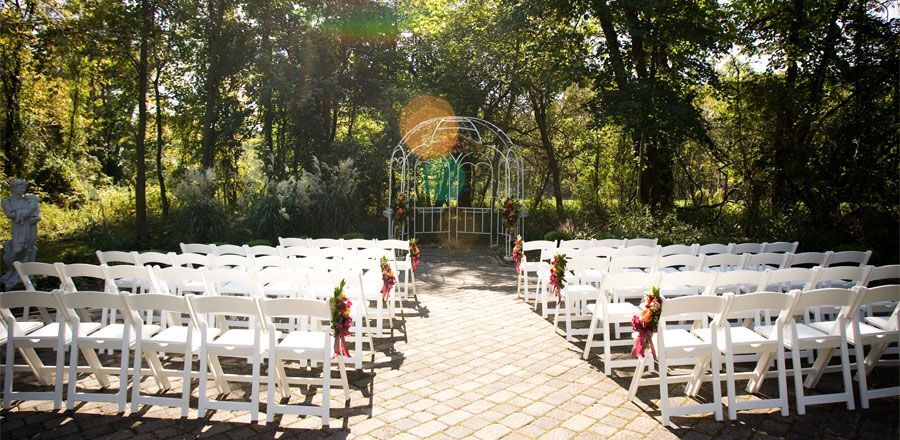
A wedding ceremony rehearsal is not just about going through the motions; it’s a crucial opportunity to refine every detail, ensuring a smooth and meaningful experience for everyone involved. By practicing the core components, you can alleviate stress on the wedding day and allow yourselves and your guests to fully immerse in the joy of the occasion. This section will guide you through the specific elements that demand your attention during the rehearsal.Practicing the flow of your ceremony is paramount to its success.
This includes the coordinated movements of the wedding party and key individuals. Understanding the timing and positioning for these significant moments will contribute to a polished and heartfelt presentation of your commitment.
Processional and Recessional Coordination
The processional, the entrance of the wedding party and the couple, and the recessional, the exit, are highly visible and symbolic parts of the ceremony. Practicing these movements ensures that everyone knows their cue, their walking pace, and their designated spots. This practice helps avoid awkward pauses or missteps, allowing these moments to feel grand and purposeful.A typical processional might involve the officiant, groom, and best man entering first, followed by the bridesmaids and groomsmen in pairs, then the flower girl and ring bearer, and finally, the bride escorted by her father.
The recessional often sees the newly married couple exiting first, followed by the wedding party in reverse order. During the rehearsal, pay close attention to:
- The starting point and order of each participant.
- The pace of walking; it should be steady and unhurried.
- The specific location where each person will stand or be seated.
- The cues for starting and stopping.
- The music cues for the start and end of each procession and recession.
Vow and Ring Exchange Timing and Placement
The exchange of vows and rings is the emotional heart of the ceremony. Rehearsing this exchange ensures that the timing is right and that both partners are in the correct positions to face each other and the officiant. Proper placement prevents fumbling and allows for a natural, heartfelt connection during this sacred moment.When rehearsing the vows and ring exchange:
- Determine where the couple will stand relative to the officiant.
- Practice turning to face each other for the exchange.
- Ensure the best man or ring bearer knows precisely when and to whom to present the rings.
- Rehearse the act of placing the ring on the correct finger of the other person.
- The officiant will guide the timing of speaking the vows and the exchange of rings, so follow their lead closely.
A common practice is for the couple to stand side-by-side, facing the officiant, with the person giving the ring on the left side of the recipient.
Rehearsing Readings, Musical Interludes, and Unity Ceremonies
Readings, musical selections, and unity ceremonies add personal touches and depth to your wedding. Practicing these elements ensures they are integrated seamlessly into the ceremony’s flow and that all participants are aware of their roles and timing. This preparation allows these special moments to shine without interruption.For readings:
- The designated reader should practice their passage to ensure they are comfortable and confident.
- The officiant should indicate when the reading will occur and for how long.
- Ensure the reader knows their cue to begin and end.
For musical interludes:
- Musicians should be aware of the exact moments their music is to begin and end, often signaled by the officiant or a designated coordinator.
- If there are specific moments for music during the processional or recessional, practice these with the music.
For unity ceremonies (e.g., candle lighting, sand pouring):
- Practice the physical actions involved in the unity ceremony.
- Ensure all necessary items are within easy reach and that participants know their roles.
- The officiant will guide the timing and explain the symbolism, so follow their instructions precisely.
The Kiss and Pronouncement of Marriage
The pronouncement of marriage and the kiss are the culmination of the ceremony, marking the couple as officially married. Rehearsing these moments ensures they are executed with clarity and grace, providing a powerful and memorable conclusion. The officiant will lead this part, but understanding the sequence is helpful.During the rehearsal, the officiant will typically:
- Instruct the couple on when to turn and face each other.
- Guide the timing for the pronouncement of marriage.
- Signal the moment for the kiss.
- The kiss should be appropriate for the tone of the ceremony – it can be a brief peck or a more extended embrace, as desired by the couple.
The officiant will then guide the couple for their first steps as a married pair.
Step-by-Step Ceremony Walkthrough
The most effective way to ensure everything is covered is to conduct a full walkthrough of the entire ceremony from start to finish. This allows everyone to experience the sequence of events as they will happen on the wedding day, identifying any potential issues or areas needing refinement.The walkthrough should ideally cover:
- The Gathering: Guests arriving and being seated.
- The Prelude Music: The start of the ceremony.
- The Processional: The entrance of the wedding party and the couple.
- The Welcome and Opening Remarks: The officiant’s initial address.
- Readings or Songs: Any planned literary or musical pieces.
- The Sermon or Homily: If applicable.
- The Vows: The exchange of promises.
- The Ring Exchange: The symbolic giving and receiving of rings.
- The Unity Ceremony: If a special ritual is being performed.
- The Pronouncement of Marriage: The officiant’s declaration.
- The Kiss: The first kiss as a married couple.
- The Presentation of the Couple: The officiant introducing the newlyweds.
- The Recessional: The exit of the couple and wedding party.
- The Postlude Music: The music as guests depart or move to the next location.
During this walkthrough, encourage questions and make notes of any adjustments needed. This comprehensive practice session is the bedrock of a well-executed wedding ceremony.
Practical Logistics and Planning for the Rehearsal
A well-executed wedding ceremony rehearsal is crucial for a smooth and stress-free wedding day. Beyond understanding the purpose and roles, meticulous planning of the logistical elements ensures everyone is on the same page and prepared for the actual ceremony. This section focuses on the practical steps to organize your rehearsal effectively.
Essential Items to Bring to the Rehearsal
To maximize the efficiency and effectiveness of your rehearsal, it is vital to have all necessary materials readily available. Bringing a comprehensive checklist of items ensures that no critical component is overlooked, allowing for a thorough run-through of the ceremony.Here is a checklist of essential items to bring to your wedding ceremony rehearsal:
- Ceremony Script/Order of Service: Multiple copies for the officiant, wedding party, and key readers.
- Wedding Rings: For the ring bearer to practice with and for the couple to familiarize themselves with the exchange.
- Aisle Runner: If one will be used, to practice placement and walking.
- Bouquets and Boutonnieres: To simulate the actual ceremony look and feel for the wedding party.
- Programs: A few copies to give to key participants for reference.
- Vows: If handwritten, to practice reading them aloud.
- Music Cues: A list of music to be played and when, for the musicians or DJ.
- Seating Chart/Plan: To guide family members and the wedding party on where to sit.
- Pens and Paper: For making notes or adjustments during the rehearsal.
- Water Bottles: To keep participants hydrated, especially during longer rehearsals.
- Comfortable Shoes: For participants to wear while practicing walking down the aisle.
Sample Timeline for a Typical Wedding Ceremony Rehearsal
A structured timeline helps ensure that all aspects of the ceremony are covered within a reasonable timeframe, preventing the rehearsal from becoming too lengthy or rushed. Incorporating buffer time allows for unexpected questions, adjustments, and a more relaxed pace.A sample timeline for a wedding ceremony rehearsal, assuming a 30-minute ceremony, might look like this:
- Arrival and Welcome (15 minutes): Participants arrive, gather, and the officiant or coordinator provides a brief welcome and overview of the rehearsal.
- Processional Practice (20 minutes): Walking order, music cues, and placement at the altar or ceremony site. This includes practice for the wedding party, parents, and the entrance of the partner who is not walking down the aisle.
- Ceremony Flow and Readings (25 minutes): Running through the main parts of the ceremony, including any readings, songs, or special rituals. This is where the ceremony script is crucial.
- Vow Exchange and Ring Ceremony (15 minutes): Practicing the exchange of vows and rings, ensuring smooth transitions and proper handling of the rings.
- Recessional Practice (15 minutes): Practicing the exit, including music cues and the order of departure.
- Family Photos (if applicable and time allows) (15 minutes): A quick run-through of any planned family photos immediately following the ceremony.
- Wrap-up and Questions (10 minutes): Addressing any remaining questions, providing final instructions, and thanking participants.
- Buffer Time (10 minutes): This time is allocated for any unexpected delays, additional practice needs, or spontaneous discussions.
This timeline totals approximately 2 hours, which is generally sufficient for most wedding ceremony rehearsals.
Considerations for Choosing the Rehearsal Location
While ideally the rehearsal takes place at the actual ceremony venue, there may be instances where this is not feasible. If the rehearsal location differs, it is important to choose a space that can adequately simulate the ceremony environment to ensure effective practice.When selecting a rehearsal location, consider the following:
- Space and Layout: The location should have a similar layout to your ceremony venue, with adequate space for walking down the aisle, seating arrangements, and the altar area.
- Accessibility: Ensure the location is easily accessible for all participants, especially those who may have mobility issues.
- Lighting and Ambiance: While not as critical as the actual venue, a location with comparable lighting can help participants visualize the ceremony.
- Familiarity: If practicing at a different location, try to visit the actual ceremony venue beforehand to note key features and potential challenges.
If your ceremony is outdoors, practicing in a similar outdoor setting, even a park, can be beneficial. For indoor ceremonies, a large room or hall can serve as a suitable alternative.
Coordinating with the Venue Coordinator or Event Planner for the Rehearsal
Effective communication with your venue coordinator or event planner is paramount for a successful rehearsal. They are invaluable resources for understanding venue-specific protocols and maximizing the use of the space.To coordinate effectively:
- Schedule the Rehearsal in Advance: Confirm the date and time with your venue coordinator well in advance, ideally when booking the venue.
- Communicate Your Needs: Clearly Artikel what you wish to accomplish during the rehearsal, including specific elements you want to practice (e.g., aisle runner, specific seating).
- Inquire About Venue Staff Availability: Confirm if any venue staff will be present to assist during the rehearsal and what their roles will be.
- Understand Venue Restrictions: Ask about any restrictions or guidelines for using the space for a rehearsal, such as time limits or decor rules.
- Share Your Ceremony Script: Provide the venue coordinator with a copy of your ceremony script so they can understand the flow and timing.
- Discuss Setup Requirements: If any specific setup is needed for the rehearsal (e.g., chairs in a particular arrangement), communicate this clearly.
A proactive approach to coordination ensures that the venue is prepared and that the rehearsal runs smoothly, leveraging the expertise of the venue staff.
Organizing Refreshments or a Rehearsal Dinner
While not always a formal requirement, providing refreshments or hosting a rehearsal dinner is a thoughtful gesture that can enhance the experience for your participants. It also offers a relaxed setting for final discussions and a chance to express gratitude.When planning refreshments or a rehearsal dinner:
- Consider the Rehearsal Timing: If the rehearsal is close to a mealtime, a dinner is a natural fit. If it’s mid-afternoon, light snacks and beverages may suffice.
- Guest List: Typically, the rehearsal dinner includes the wedding party, their partners, immediate family, and the officiant.
- Budget: Determine a budget that aligns with your overall wedding expenses.
- Venue: This can be held at a restaurant, a private home, or even at the ceremony venue if permitted and arranged.
- Menu: Keep the menu relatively simple and accommodating to various dietary needs.
- Purpose: Use this time to thank your wedding party and close family for their support and to have any last-minute informal discussions.
A rehearsal dinner is an excellent opportunity to foster camaraderie and ensure everyone feels appreciated and prepared for the wedding day.
Addressing Common Rehearsal Challenges and Solutions
A wedding ceremony rehearsal, while invaluable, can sometimes present unexpected hurdles. Identifying these potential challenges in advance and preparing effective solutions will ensure a smoother and more productive practice session for everyone involved. This section aims to equip you with strategies to navigate common points of confusion and anxiety, fostering confidence and comfort among your wedding party.
Identifying Potential Points of Confusion or Anxiety
Several elements of the ceremony can lead to uncertainty or stress for participants. These often stem from a lack of familiarity with the flow, specific roles, or the emotional weight of the occasion. Understanding these common triggers is the first step toward addressing them proactively.
- Processional and Recessional Order: Many individuals are unsure of their exact position and when to move during the procession and recession. This can lead to hesitation or awkward spacing.
- Cueing and Timing: Knowing precisely when to speak, when to move, and when to stand or sit can be a significant source of anxiety, especially for those with speaking roles or complex actions.
- Vows and Readings: Participants who are responsible for reciting vows or reading passages may feel nervous about memorization, delivery, or potential mistakes.
- Symbolic Actions: Rituals such as unity candle lighting, sand ceremonies, or handfasting require coordination and practice to ensure they are performed smoothly and meaningfully.
- Family Dynamics: Navigating seating arrangements or the involvement of specific family members can sometimes be a sensitive area.
- Technical Aspects: Uncertainty about where to stand for photos, how to hold a bouquet, or the placement of rings can create unease.
Strategies for Managing Nerves and Ensuring Participant Confidence
Creating a supportive and relaxed atmosphere during the rehearsal is paramount. By implementing specific strategies, you can help alleviate anxiety and build confidence in all participants, allowing them to focus on their roles and the significance of the day.
Encouraging open communication and providing clear, concise instructions are fundamental. Acknowledge that rehearsals are a safe space for mistakes and learning. Practicing in a calm and encouraging environment, free from the pressures of the actual wedding day, allows individuals to become more comfortable with their responsibilities.
- Clear Role Definition: Ensure each participant understands their specific role, including their cues, movements, and any responsibilities they have. Provide this information in writing beforehand.
- Emphasize Practice, Not Perfection: Remind everyone that the rehearsal is for practice. It’s okay to stumble, forget lines, or miss a cue; that’s precisely why you are rehearsing.
- Positive Reinforcement: Offer genuine praise and encouragement for good execution and effort. Acknowledge when someone does something particularly well.
- Break Down Complex Actions: For intricate parts of the ceremony, such as unity rituals, practice each step individually before attempting the entire sequence.
- Visual Aids: Use diagrams or marked spots on the floor to indicate where individuals should stand or move. This provides a visual anchor.
- Gentle Correction: When providing feedback, be constructive and kind. Frame corrections as suggestions for improvement rather than criticisms. For example, instead of “You were too slow,” try “Let’s try that step a little quicker next time to keep the flow.”
- Breaks and Refreshments: Incorporate short breaks and offer water or light snacks to help maintain energy levels and a relaxed mood.
Handling Unexpected Issues or Last-Minute Changes
Despite meticulous planning, unforeseen circumstances can arise. The ability to adapt and manage these situations calmly and efficiently is crucial for a successful rehearsal and, by extension, a smoother wedding day.
A flexible mindset is key. It’s important to have a designated point person or to empower the officiant to make quick decisions. Documenting any changes made during the rehearsal will ensure everyone is working from the same updated plan.
- Designated Decision-Maker: Identify one or two individuals (e.g., the couple, the officiant, or a trusted planner) who have the authority to make on-the-spot decisions regarding minor adjustments.
- Contingency Planning: Briefly discuss potential “what-if” scenarios, such as a missing participant or a sudden weather change, and have a general plan for how to adapt.
- Clear Communication of Changes: If a significant change is made, ensure it is clearly communicated to all affected participants immediately. A quick huddle or a follow-up text message can be effective.
- Prioritize Core Elements: If time is limited due to unexpected delays, focus on rehearsing the most critical parts of the ceremony that require precise timing or coordination.
- Flexibility with Officiant: The officiant can often be a valuable resource in adapting the flow of the ceremony if minor disruptions occur.
Approaches to Practicing Difficult or Unique Ceremony Elements
Some wedding ceremonies incorporate elements that are not standard, requiring special attention during the rehearsal. These might include cultural traditions, personalized vows, or unique symbolic acts. Practicing these elements with specific strategies ensures they are performed with the intended grace and meaning.
The key is to break down complexity and provide ample opportunity for repetition and feedback. For highly personalized elements, ensuring the participants involved feel fully prepared and understand the significance is paramount.
- Step-by-Step Practice: For complex rituals, practice each individual step multiple times before attempting to perform the entire sequence. For example, in a unity candle ceremony, practice lighting the individual candles, then passing the flame, then lighting the unity candle, and finally blowing out the individual candles.
- Role-Playing: For elements involving dialogue or specific interactions, encourage participants to engage in role-playing to get comfortable with the back-and-forth.
- Officiant Guidance: The officiant can provide invaluable context and instruction for unique elements, explaining their meaning and guiding participants through the execution.
- Visual Demonstration: If possible, the officiant or a designated person can demonstrate the action. For instance, showing how to properly hold a unity sand vessel.
- Dedicated Time Slot: Allocate a specific block of time during the rehearsal solely for practicing these unique elements, ensuring they receive adequate attention without rushing other parts of the ceremony.
- Personalized Vow Practice: Encourage those delivering personalized vows to practice them aloud, not just in their heads. Offer a private space for them to do so if they prefer.
Methods for Providing Constructive Feedback and Making Necessary Adjustments
The rehearsal is an opportunity to refine the ceremony, and constructive feedback is essential for this process. Delivering feedback in a supportive manner ensures that participants are receptive and that adjustments are made effectively to enhance the overall flow and impact of the ceremony.
Feedback should be specific, actionable, and delivered with empathy. The goal is improvement, not criticism. After receiving feedback, it’s important to implement necessary adjustments and then confirm that everyone understands the revised plan.
- Immediate, Private Feedback: For minor corrections, provide feedback to the individual participant privately and immediately after the relevant action. This avoids singling them out publicly.
- Group Debrief: After running through a section or the entire ceremony, conduct a brief group debrief. Ask participants if they have any questions or concerns.
- Focus on “What Worked Well”: Begin feedback sessions by highlighting what went well. This builds confidence and creates a positive foundation for suggestions.
- Specific and Actionable Suggestions: Instead of vague comments, provide clear instructions. For example, “When you walk down the aisle, try to maintain eye contact with the person at the altar a little longer” is more helpful than “Walk better.”
- Visual Confirmation: If adjustments are made, such as a change in seating or standing positions, physically walk through the revised arrangement to ensure everyone sees and understands it.
- Documenting Adjustments: Make a note of any significant changes or decisions made during the rehearsal. This could be a revised seating chart or a new cue for a particular action. Share this updated information with the relevant parties.
- Rehearsing Adjustments: If a significant adjustment was made, run through that specific part of the ceremony again to ensure the change has been effectively incorporated.
Visualizing and Practicing the Flow of the Ceremony
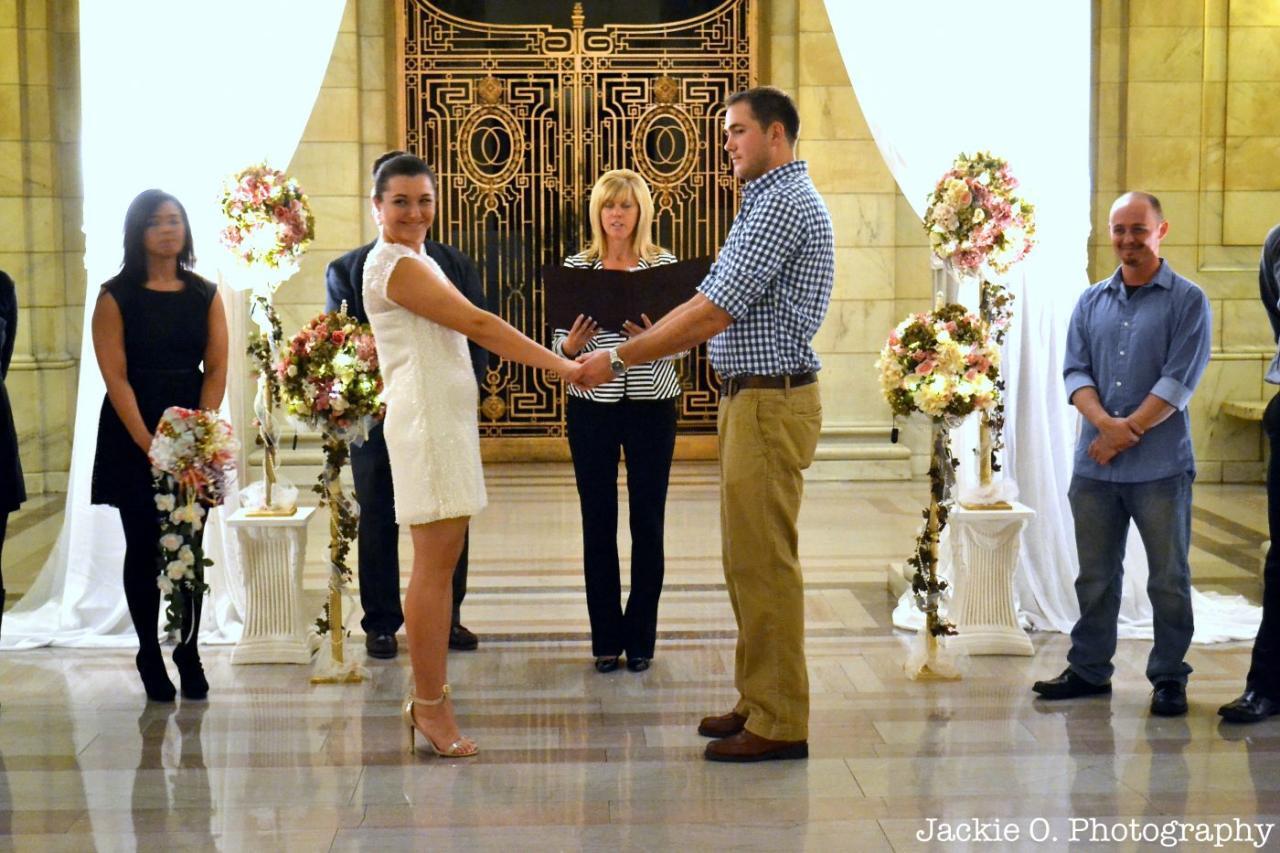
A wedding ceremony rehearsal is more than just a run-through of movements; it’s an opportunity to internalize the rhythm and emotional arc of your special day. By actively visualizing and practicing the flow, you can ensure a smooth, meaningful, and stress-free experience for everyone involved. This section focuses on transforming abstract plans into tangible actions, making the ceremony feel natural and deeply personal.Practicing the flow helps to build confidence and familiarity with every step.
It allows participants to understand their cues, anticipate movements, and contribute to the overall ambiance. This detailed practice minimizes surprises and ensures that the ceremony unfolds with grace and intention, reflecting the couple’s vision.
Aisle Walk: Pace, Posture, and Spacing
The walk down the aisle is a pivotal moment, symbolizing the journey towards marriage. Practicing this walk ensures it is performed with the desired elegance and composure. Focus on maintaining a steady, unhurried pace that allows guests to appreciate the moment and the participant’s presence. Good posture, with shoulders back and head held high, conveys confidence and joy. Crucially, pay attention to the spacing between participants, whether it’s the wedding party walking in sections or the couple walking together.
This ensures no one feels cramped or awkwardly distant.During the rehearsal, several key elements of the aisle walk should be addressed:
- Pace: Encourage a relaxed, deliberate walk. Avoid rushing, which can create a sense of anxiety.
- Posture: Emphasize standing tall, with a relaxed but upright stance. This projects confidence and poise.
- Eye Contact: Advise participants to make appropriate eye contact with their escort and, if applicable, with the officiant or the waiting partner.
- Spacing: For the wedding party, practice maintaining consistent spacing between individuals or pairs. This creates a visually appealing and organized procession.
- Destination: Ensure each person knows exactly where to stand and what to do upon reaching the front.
Practicing Transitions Between Ceremony Segments
The smooth transition between different parts of the ceremony is vital for maintaining momentum and emotional continuity. Just as a well-edited film flows seamlessly from one scene to the next, your ceremony should move gracefully from the processional to readings, vows, ring exchange, and the pronouncement of marriage. Practicing these transitions helps to avoid awkward pauses or confusion, allowing the ceremony to build in emotional impact.Key transitions to focus on during the rehearsal include:
- The movement from the processional to the designated spots for the wedding party and the couple.
- The shift from the opening remarks to the first reading or musical interlude.
- The moment the couple turns to face each other for the vows.
- The transition from the vows and ring exchange to the pronouncement of marriage.
- The concluding recessional, ensuring everyone knows their cue.
Each transition should be discussed and physically practiced to ensure everyone understands their role and timing.
Visualizing the Ceremony’s Mood and Atmosphere
Beyond the physical movements, the rehearsal is an excellent time to cultivate the desired mood and atmosphere for your wedding ceremony. By visualizing the emotional tone you wish to convey – whether it’s solemn and reverent, joyous and celebratory, or intimate and personal – you can guide participants in embodying that feeling. Encourage everyone to connect with the significance of the occasion and to express it through their demeanor and interactions.Techniques for visualizing the mood include:
- Discussion: The couple should articulate the overall feeling they want the ceremony to evoke.
- Music Cues: If music plays a significant role, practice with the intended music to set the emotional tone.
- Lighting: If possible, simulate the lighting conditions of the ceremony space to gauge the visual atmosphere.
- Officiant’s Guidance: The officiant can help set the tone through their delivery and by encouraging participants to be present and mindful.
- Pauses for Reflection: Practice incorporating intentional pauses for guests and participants to absorb the emotional weight of certain moments.
Practicing Specific Movements
Certain actions within the ceremony require precise execution and practice to appear natural and meaningful. These specific movements, from the bride’s entrance to the couple turning to face each other, are often highly symbolic and contribute significantly to the visual narrative of the ceremony. Rehearsing these actions ensures they are performed with grace and intention.Specific movements to practice include:
- Bride’s Entrance: This includes the timing of her arrival, the hand-off to the groom or officiant, and her positioning.
- Couple Turning: Practice the exact moment and manner in which the couple turns to face each other, often a deeply emotional point.
- Ring Exchange: Ensure clear understanding of who holds the rings, when they are exchanged, and the proper placement.
- Unity Ceremonies: If a unity candle, sand ceremony, or other ritual is included, practice the mechanics and timing of these actions.
- Vow Delivery: While the vows themselves are personal, practice the physical act of speaking them, including eye contact and gestures.
Organizing a Mock Ceremony Run-Through
The ultimate practice for your wedding ceremony is a full mock run-through, simulating the actual event as closely as possible. This involves executing every element in sequence, from the first person entering to the final pronouncement. The goal is to experience the ceremony from start to finish, identifying any logistical issues, timing problems, or moments of uncertainty that may arise.
This comprehensive practice builds confidence and ensures everyone is comfortable with their roles and the overall progression.During the mock ceremony run-through:
- Full Processional and Recessional: Practice the complete entry and exit of all participants.
- Dialogue and Readings: Have the officiant and readers deliver their parts, even if it’s just reading through the script.
- Vows and Ring Exchange: Practice the actual exchange of vows and rings.
- Music Cues: Incorporate any planned music at the appropriate times.
- Guest Experience: Consider the perspective of the guests, ensuring sightlines are clear and the flow is logical for them.
This detailed simulation is invaluable for refining the ceremony and ensuring a seamless and memorable experience for everyone involved.
Closure
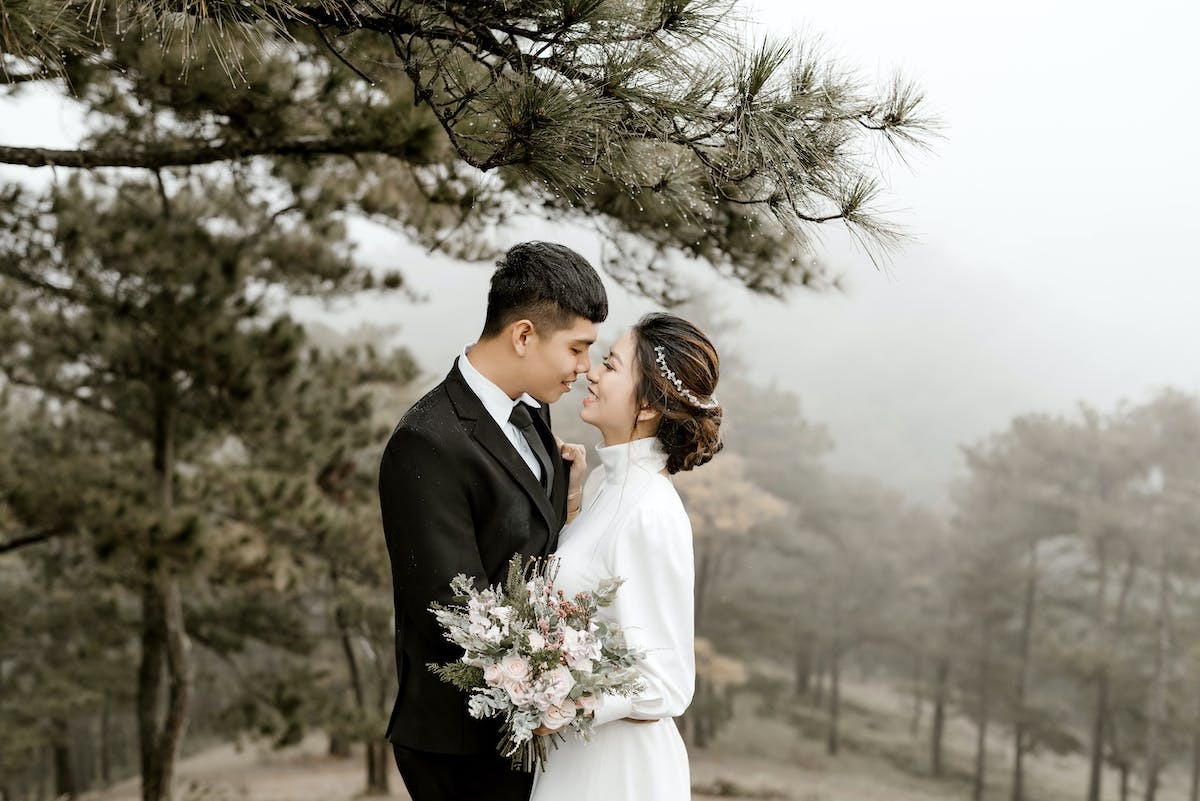
In essence, a wedding ceremony rehearsal is more than just a practice run; it’s an opportunity to solidify your commitment, synchronize your wedding party, and build confidence for the main event. By diligently working through each aspect of your ceremony, from the grand entrance to the final pronouncement, you pave the way for a truly memorable and heartfelt celebration. Embrace the rehearsal process as a valuable step in creating the wedding day you’ve always dreamed of.