How to Order Thank You Cards for After the Wedding sets the stage for this enthralling narrative, offering readers a glimpse into a story that is rich in detail with formal and friendly language style and brimming with originality from the outset.
Following your special day, expressing gratitude is a cherished tradition. This guide will walk you through the essential steps of selecting, personalizing, and ordering the perfect thank you cards to convey your appreciation to guests for their thoughtful gifts and presence.
Understanding the Purpose and Timing of Thank You Cards
Sending wedding thank you cards is a cherished tradition that extends the warmth and gratitude of your special day to your guests. It’s more than just a formality; it’s a personal touch that acknowledges the love, support, and generosity you received. These cards serve as a tangible reminder of your appreciation, reinforcing the bonds with your loved ones and marking the transition from newlywed bliss to married life.The significance of sending thank you cards lies in its ability to convey sincere gratitude.
A handwritten note expresses a level of personal care that digital messages cannot replicate. It’s an opportunity to reflect on the specific gift or contribution and how it will be cherished or used, making the recipient feel truly valued. This thoughtful gesture contributes to the overall positive memory of your wedding experience for your guests.
Ideal Timeframe for Sending Wedding Thank You Cards
While the pressure to send thank you cards immediately after the wedding might feel overwhelming, there is a generally accepted etiquette regarding the timeframe. Adhering to this guideline ensures your gratitude is timely and well-received.The traditional etiquette suggests sending thank you cards within three months of the wedding. However, for guests who sent gifts before the wedding, it is customary to send a thank you note as soon as possible, even before the wedding day itself.
For those who attended and gave gifts on the day, or who sent gifts after the wedding, the three-month window is a reasonable and polite expectation.
“A thank you card is a small act of kindness that leaves a lasting impression.”
Best Practices for Collecting Guest Addresses
Gathering accurate guest addresses is a crucial step in the thank you card process. A well-organized approach will save you time and prevent potential errors.There are several effective methods for collecting guest addresses:
- Wedding Website: Many couples include a section on their wedding website where guests can input their mailing addresses. This is a convenient and centralized way to gather information.
- Save-the-Date Cards: If you sent save-the-date cards, you likely already have a list of addresses. Double-check these for accuracy.
- Guest List Spreadsheet: Create a dedicated spreadsheet to meticulously record each guest’s name and address. Include columns for any special notes, such as whether they are attending with a plus-one or if they are a family unit.
- Bridal Shower/Engagement Party: Often, hosts of pre-wedding events will collect addresses for invitations. This can be a valuable resource.
- Directly Ask: For close family and friends, a simple phone call or email can quickly confirm their current address.
Etiquette for Sending Thank You Cards to Different Guest Types
The approach to sending thank you cards can vary slightly depending on the relationship you have with the guest and their contribution to your wedding.Here’s a breakdown of etiquette for various guest categories:
- Immediate Family: While you will likely send them a formal thank you card, consider also a more personal, heartfelt note or even a small separate gift to express your deep gratitude for their unwavering support.
- Close Friends: Similar to family, a warm and personal note is appropriate. Mention specific memories or inside jokes to make it extra special.
- Distant Relatives and Acquaintances: A standard, polite thank you card is perfectly suitable. Ensure you acknowledge their gift specifically.
- Guests Who Sent Gifts from Afar: It is essential to send a thank you card to guests who sent gifts but were unable to attend the wedding. Their thoughtfulness deserves recognition, regardless of their presence.
- Guests Who Contributed Financially: If guests contributed to a honeymoon fund or a specific larger purchase, acknowledge their contribution and express your excitement about how it will be used.
- Vendors: While not mandatory, a thank you note to key vendors who went above and beyond can be a very kind gesture and is always appreciated.
When writing your thank you notes, personalization is key. Referencing the specific gift and how you plan to use or enjoy it makes the card feel more genuine and less generic. For example, instead of “Thank you for the gift,” you could write, “Thank you so much for the beautiful crystal vase. We can’t wait to display fresh flowers from our garden in it!”
Choosing the Right Thank You Cards
Selecting the perfect thank you cards is a delightful extension of your wedding’s overall aesthetic and a personal way to express gratitude. This process involves considering various design elements, materials, and themes to ensure your cards resonate with your wedding style and your guests.The ideal thank you card should reflect the sentiment of your wedding day and the sincerity of your appreciation.
By thoughtfully considering the options available, you can choose cards that are not only beautiful but also meaningful.
Card Styles and Designs
The world of wedding thank you cards offers a diverse range of styles to suit every couple’s taste and wedding theme. From classic elegance to modern minimalism, there is a design to capture the essence of your special day.
- Classic and Traditional: These often feature elegant typography, subtle floral motifs, or simple borders. They are timeless and universally appealing, perfect for formal or traditional weddings.
- Modern and Minimalist: Characterized by clean lines, geometric patterns, and a limited color palette, these designs are ideal for contemporary or chic weddings.
- Rustic and Bohemian: Embracing natural elements like watercolor illustrations, kraft paper textures, or botanical prints, these cards suit outdoor, barn, or free-spirited celebrations.
- Glamorous and Luxe: Featuring metallic accents (gold, silver, rose gold), intricate embellishments, or sophisticated script fonts, these cards add a touch of opulence for luxurious weddings.
- Personalized and Photo-Centric: Many couples opt for cards that incorporate a favorite wedding photograph, making the thank you note incredibly personal and a keepsake for guests.
Materials and Finishes
The material and finish of your thank you cards significantly impact their perceived quality and tactile experience. These choices contribute to the overall impression of thoughtfulness and elegance.
- Cardstock Weight: Heavier cardstock (e.g., 100 lb or higher) generally feels more substantial and luxurious than lighter weights.
- Paper Finishes:
- Matte: A smooth, non-reflective surface that offers a sophisticated and understated look. It’s excellent for readability.
- Glossy: A shiny, reflective surface that makes colors appear more vibrant. It can sometimes show fingerprints more readily.
- Linen: Features a textured surface resembling linen fabric, adding a tactile and classic feel.
- Parchment: Offers a vintage or rustic look with a slightly textured and aged appearance.
- Specialty Finishes:
- Letterpress: Creates an indented impression into the paper, offering a deep, tactile, and elegant finish.
- Foil Stamping: Applies metallic or colored foil to the design, adding a shimmering and luxurious highlight.
- Embossing/Debossing: Raises (embossing) or lowers (debossing) a design element, adding subtle dimension and texture.
Popular Wedding Thank You Card Themes
Aligning your thank you card theme with your wedding’s overall aesthetic ensures a cohesive and memorable expression of gratitude. These themes often echo the style and mood of the celebration.
- Botanical/Floral: Featuring delicate illustrations of flowers, leaves, or greenery, this theme is versatile and suits many wedding styles, from rustic to romantic.
- Monogram/Initials: A classic choice, a personalized monogram or intertwined initials adds a touch of sophistication and individuality.
- Calligraphy/Script: Elegant script fonts evoke a sense of romance and formality, perfect for classic or vintage-inspired weddings.
- Watercolor: Soft, artistic watercolor washes or illustrations lend a dreamy and romantic feel, ideal for bohemian or whimsical themes.
- Minimalist Geometric: Clean lines, simple shapes, and a focus on typography create a modern and chic look.
- Destination-Inspired: If you had a destination wedding, incorporating elements like maps, local flora, or iconic landmarks can be a lovely touch.
Thank You Card Selection Checklist
To simplify the selection process, use this checklist to guide your choices, ensuring your thank you cards perfectly complement your wedding and your personal style.
| Consideration | Questions to Ask Yourself | Notes/Preferences |
|---|---|---|
| Wedding Style | What was the overall theme and formality of our wedding? (e.g., formal, casual, rustic, modern, vintage) | |
| Color Palette | What were our primary wedding colors? Do we want the cards to match or complement them? | |
| Personalization | Do we want to include a photo from our wedding? Which photo best represents our day? | |
| Card Material & Finish | Do we prefer a classic matte, a vibrant glossy, or a textured finish? Are we interested in special finishes like foil or letterpress? | |
| Design Aesthetic | Do we lean towards traditional, modern, romantic, bohemian, or minimalist designs? | |
| Typography | Do we prefer elegant script fonts, clean sans-serif fonts, or a combination? | |
| Budget | What is our allocated budget for thank you cards and postage? | |
| Quantity | How many thank you cards do we estimate needing? (Consider including extras) | |
| Envelope Style | Do we want plain envelopes, colored envelopes, or envelopes with liners that match the card design? |
What to Write in Your Wedding Thank You Cards
Crafting the perfect thank you note is a thoughtful extension of your wedding celebration, allowing you to express your gratitude to those who shared in your special day and contributed to it. These notes serve as a tangible reminder of your appreciation and can become cherished keepsakes for your guests. A well-written thank you card reflects your personality and the genuine warmth you feel for your loved ones.The process of writing thank you cards involves more than just a quick scribble; it’s an opportunity to connect with your guests on a personal level.
By including specific details and heartfelt sentiments, you can ensure your message resonates and leaves a lasting positive impression. The key is to balance sincerity with conciseness, making each card feel both personal and manageable to write.
Essential Elements of a Wedding Thank You Note
A truly impactful thank you note incorporates several key components that convey sincerity and detail. These elements ensure your message is complete, personal, and clearly expresses your appreciation.
- Salutation: Begin with a warm and personal greeting, addressing the recipient by name.
- Expression of Gratitude for Attendance: Acknowledge their presence at your wedding. This shows you valued their commitment to celebrating with you.
- Specific Mention of the Gift: Clearly state the gift you received. This demonstrates you remember their specific contribution and appreciate it.
- Comment on the Gift’s Usefulness or Enjoyment: Briefly explain how you plan to use the gift or why you particularly like it. This adds a personal touch and shows you’ve given thought to their generosity.
- Mention of a Shared Memory (Optional but Recommended): If applicable, briefly recall a pleasant moment you shared with the guest during the wedding or a past memory. This further personalizes the note.
- Reiteration of Thanks: End with another expression of gratitude.
- Closing: Sign off with a warm and appropriate closing.
Personalized Messages for Various Gift Types
Tailoring your message to the specific gift received makes your thank you note far more meaningful. It shows you’ve paid attention and truly appreciate their thoughtful contribution. Here are examples for different types of gifts:
Monetary Gifts
Monetary gifts are often intended to help the couple start their new life together. Your message should reflect this understanding and express how you plan to use the funds.
“Thank you so much for your incredibly generous wedding gift! We are so touched by your thoughtfulness. We’re planning to use it towards [mention a specific goal, e.g., our honeymoon fund, a down payment on our first home, a new piece of furniture for our apartment].”
Registry Gifts
Gifts chosen from your registry are often items you’ve specifically selected for your home. Acknowledge the practicality and your excitement about using the item.
“Thank you for the beautiful [specific item, e.g., set of wine glasses] from our registry! They are absolutely perfect for our new home, and we can’t wait to use them when we entertain guests.”
Handmade or Sentimental Gifts
These gifts often carry significant personal value. Highlight the craftsmanship, sentiment, or the thought behind the gift.
“We were so touched by the [specific handmade item, e.g., knitted blanket] you made for us. It’s such a unique and heartfelt gift, and we will cherish it always. It will be a beautiful addition to our living room.”
Gift of Experience
Gifts like a weekend getaway voucher or tickets to an event are about creating memories. Express your anticipation for the experience.
“Thank you for the wonderful gift of [specific experience, e.g., a voucher for a spa day]! We are so excited to use it and look forward to [mention anticipation, e.g., relaxing and reconnecting] after all the wedding excitement.”
Strategies for Writing Heartfelt and Sincere Messages
Authenticity is the cornerstone of a heartfelt thank you note. Your guests want to feel genuinely appreciated, and your words should reflect that.
- Be Prompt: While not strictly about content, sending notes promptly enhances the sincerity. Aim to send them within three months of the wedding.
- Focus on the “Why”: Instead of just stating “Thank you for the gift,” explain
-why* you appreciate it. Does it solve a problem? Does it bring joy? Does it remind you of them? - Connect to the Wedding Day: If possible, link the gift or their presence to a specific memory from the wedding. “It was so wonderful seeing you on the dance floor!” or “We loved catching up with you during the cocktail hour.”
- Use “We” and “I”: While writing as a couple, it’s also appropriate to use “I” when expressing a personal sentiment about the gift or their presence.
- Keep it Concise but Meaningful: Avoid overly long or rambling notes. A few well-chosen sentences can be more impactful than many generic ones.
- Proofread: A quick check for spelling and grammatical errors shows attention to detail and respect for the recipient.
Tone and Voice for Wedding Thank You Cards
The tone of your wedding thank you cards should be consistently warm, appreciative, and reflective of your personalities as a couple. It’s a blend of formal politeness and genuine affection.The voice should be personal and intimate, as if you are speaking directly to the guest. Avoid overly casual language or slang, but also steer clear of being too stiff or impersonal.
Think of it as a warm, friendly conversation captured in writing.
“Your presence at our wedding meant the world to us, and your thoughtful gift was the perfect addition to our new beginning.”
This statement is both polite and conveys a personal sentiment. It acknowledges their importance and the value of their gift without being overly formal or overly casual.
Demonstrating How to Mention Specific Gifts Received
The most crucial part of a thank you note is acknowledging the specific gift. This shows you’ve paid attention and value their contribution.For monetary gifts, be specific about how you intend to use the money. This makes the gift feel more tangible and appreciated. For example, instead of “Thank you for the money,” say:
“Thank you so much for your generous gift! We’re putting it towards our dream honeymoon in Italy.”
For tangible gifts, name the item clearly. This confirms you received it and appreciate its specific qualities.
“We absolutely love the beautiful blue vase you gave us. It will look stunning on our mantelpiece.”
If the gift was an experience or a contribution to a larger item, mention that as well.
“Thank you for your contribution to our new sofa! We’re so excited to finally have it, and we know we’ll be enjoying it for years to come.”
By consistently mentioning specific gifts, you ensure each note feels unique and genuinely appreciative, reinforcing the special bond you share with each guest.
The Ordering and Sending Process

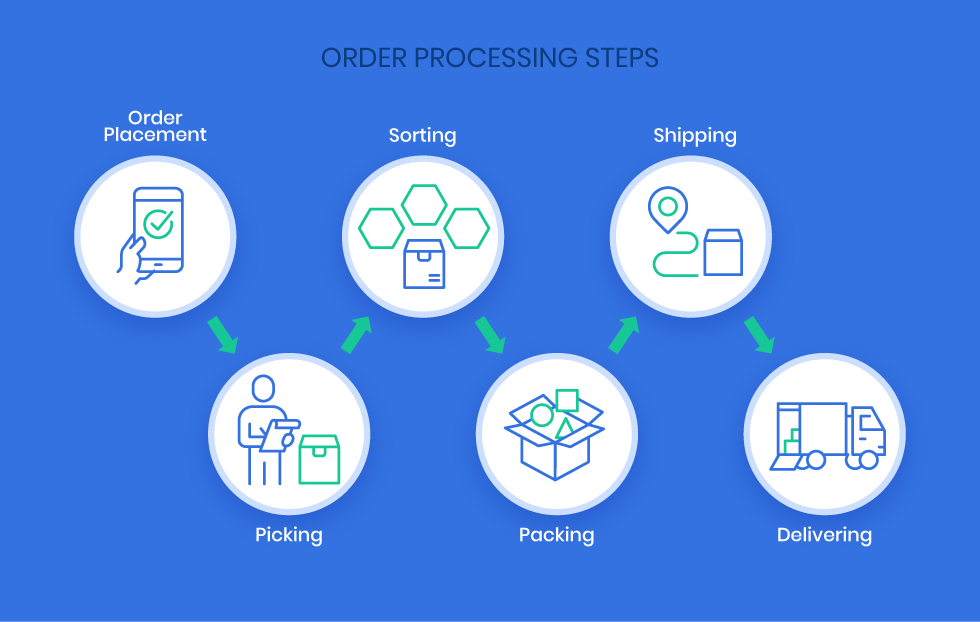
Once you have selected your perfect thank you cards and drafted your heartfelt messages, the next crucial steps involve the practicalities of ordering and sending them out. This section will guide you through the entire process, from placing your custom order to ensuring your cards reach their intended recipients efficiently and beautifully.This phase requires careful attention to detail to ensure your thank you cards are exactly as you envision and that the mailing process is as smooth as possible.
By following these steps, you can manage the logistics effectively and maintain the thoughtful gesture of expressing your gratitude.
Placing a Custom Thank You Card Order
Ordering custom thank you cards typically involves several key steps, ensuring your vision for the stationery comes to life. Whether you are using an online service or a local print shop, understanding this process will help you achieve the desired outcome.
- Design Selection: Choose a template or upload your own design. Many online platforms offer a wide array of pre-designed thank you cards that can be customized with your wedding colors, monograms, or even a favorite photo from your wedding day.
- Personalization: Input your specific text, such as your names, wedding date, and any special messages. Proofread this carefully before proceeding.
- Material and Finish: Select the paper stock, envelope type, and any special finishes like foil stamping or embossing. The quality of these choices significantly impacts the final presentation.
- Quantity: Determine the number of cards needed, usually based on the number of guest households and any additional cards for vendors or family members not on the guest list. It’s often cost-effective to order a few extra.
- Review and Confirmation: Before finalizing, review all personalized details, quantities, and any shipping information.
Proofreading and Approving Card Designs
The proofreading and approval stage is paramount to ensure accuracy and satisfaction with your custom thank you cards. This step prevents costly errors and ensures the final product perfectly reflects your intentions.It is essential to approach this process with meticulous attention. Treat the digital or physical proof as if it were the final printed product.
- Initial Review: Read through all text for spelling, grammar, and punctuation errors. Verify that names, dates, and any other personalized information are correct.
- Design Check: Examine the layout, colors, and any graphical elements. Ensure everything is aligned as you intended and that no unintended changes have occurred during the design process.
- Second Opinion: Have a trusted friend or family member review the proof. A fresh pair of eyes can often catch mistakes that you might overlook.
- Final Approval: Once you are completely satisfied, formally approve the design with the vendor. This is typically done electronically through their platform or by signing a physical proof.
Addressing and Stamping Envelopes Efficiently
The task of addressing and stamping envelopes can seem daunting, but with an organized approach, it can be managed effectively, ensuring a polished presentation for your thank you cards.Consider the methods that best suit your style and the number of cards you need to send.
- Hand Addressing: For a personal touch, hand-addressing each envelope with a calligraphy pen or a neat script is a classic choice. Ensure your handwriting is legible.
- Calligraphy Services: Many stationery companies offer professional calligraphy services, either by hand or digitally printed to mimic calligraphy, providing an elegant and uniform look.
- Label Printing: For a more modern and efficient approach, you can print addresses onto high-quality labels that match your card’s aesthetic. Ensure the label color complements the envelope.
- Digital Printing: Some vendors can directly print guest addresses onto the envelopes as part of the ordering process, offering a streamlined solution.
For stamping, ensure you use the correct postage. The weight and dimensions of the card and envelope can affect postage costs. It is advisable to take a fully assembled card and envelope to the post office to confirm the correct postage amount.
Mailing Thank You Cards
The method chosen for mailing your thank you cards can impact delivery time, cost, and tracking capabilities. Understanding your options will help you select the most suitable approach.The primary consideration is usually the postal service, but other options exist for specific needs.
- Standard Postal Service: This is the most common and cost-effective method for domestic mail. You can mail cards from a local post office or a designated mailbox. Delivery times vary by region.
- Courier Services: For urgent deliveries or when tracking is essential, courier services like FedEx, UPS, or DHL can be used. These services generally offer faster delivery and detailed tracking but come at a higher cost.
International Postage Considerations
If you have guests who reside outside your home country, you will need to consider international postage. This process requires additional steps and awareness of varying postal regulations and costs.International mail can take longer to arrive and may incur higher fees.
- Postage Calculation: The cost of international postage depends on the destination country, the weight, and the dimensions of the envelope. Visit your national postal service’s website or a local post office to determine the exact postage required for each destination country.
- Customs Forms: While thank you cards are typically considered personal correspondence and do not require customs forms, it is always prudent to confirm with your postal service, especially if you are including any small additional items.
- Delivery Times: International mail delivery times can vary significantly, ranging from a few days to several weeks. Factor this into your mailing timeline.
- Tracking Options: If tracking is important for international mail, inquire about available tracking services, which may add to the cost.
Digital vs. Physical Thank You Cards
While the tradition of sending physical thank you cards after a wedding remains a cherished practice, the digital age has introduced convenient and elegant alternatives. Understanding the nuances of both options will help you choose the most fitting approach for expressing your gratitude.The decision between digital and physical thank you cards often hinges on factors such as your budget, the desired level of formality, the timeframe for sending, and the overall aesthetic you wish to convey.
Each method offers distinct advantages and potential drawbacks that are worth considering.
Advantages and Disadvantages of Physical Thank You Cards
Physical thank you cards offer a tangible and deeply personal way to express your gratitude. The act of receiving a handwritten note in the mail carries a certain weight and sentimentality that digital communication often lacks.
- Pros:
- Tangible Keepsake: Guests can keep a physical card as a memento of your wedding and their presence.
- Perceived Value: A physical card can convey a greater sense of effort and thoughtfulness.
- Formality: Often considered more formal and traditional, aligning with the significance of a wedding.
- Impact: Stands out in a mailbox filled with bills and junk mail, making it more memorable.
- Cons:
- Cost: Involves expenses for cards, postage, and printing.
- Time-Consuming: Requires writing each card, addressing envelopes, and mailing them.
- Logistics: Managing guest addresses and ensuring timely delivery can be challenging.
- Environmental Impact: Generates paper waste and requires transportation for delivery.
Advantages and Disadvantages of Digital Thank You Cards
Digital thank you cards, often sent via email or through dedicated wedding websites, offer a modern and efficient solution for expressing gratitude. They are particularly useful for couples on a tighter timeline or budget.
- Pros:
- Cost-Effective: Significantly reduces expenses associated with printing and postage.
- Time-Efficient: Allows for quick sending to multiple guests simultaneously.
- Eco-Friendly: Reduces paper waste and carbon footprint.
- Multimedia Integration: Can easily include photos from the wedding, links to your wedding website, or even short video messages.
- Cons:
- Less Personal: May feel less intimate or heartfelt compared to a handwritten note.
- Potential for Spam Filters: Emails can sometimes be overlooked or end up in spam folders.
- Lack of Tangibility: Guests cannot physically keep the message as a keepsake.
- Digital Fatigue: In an era of constant digital communication, a digital thank you might blend in.
When a Physical Card is More Appropriate
There are specific instances where opting for a physical thank you card is highly recommended to convey the utmost respect and appreciation.Physical cards are particularly suited for acknowledging significant gifts, such as contributions towards a honeymoon fund, a down payment on a home, or a substantial registry item. They are also ideal for thanking guests who traveled a considerable distance to celebrate with you, or for expressing gratitude to key individuals who played a vital role in your wedding, such as the wedding party, parents, and officiant.
The tangible nature of a physical card reinforces the depth of your appreciation for their presence and generosity.
Creating Elegant Digital Thank You Messages
While digital cards may lack the tactile quality of paper, they can still be designed to be elegant and memorable. The key lies in thoughtful content and attractive presentation.Consider using a wedding invitation design service that offers matching digital thank you cards, or explore platforms that allow for customization with your wedding colors and fonts. Incorporating a high-quality wedding photo can also elevate the visual appeal.
“The best digital thank you messages are those that combine a sincere, personalized note with beautiful imagery, creating a memorable and heartfelt digital experience for your guests.”
For a truly impactful digital thank you, personalize each message as much as possible. Reference specific gifts or moments shared with the guest.
Recipient Experience with Physical and Digital Cards
The experience a guest has with a thank you card can significantly influence their perception of your gratitude.When a guest receives a physical thank you card, they often feel a sense of warmth and personal connection. The anticipation of opening a letter and reading a handwritten message can be a delightful experience. It signifies that you took the time and effort specifically for them.On the other hand, receiving a digital thank you card can be convenient and immediate.
Guests appreciate the efficiency and the ability to see wedding photos right away. However, for some, it may lack the emotional resonance of a physical card. The impact of a digital card is often amplified when it is well-designed, personalized, and accompanied by beautiful wedding photography.
Combining Both Approaches
For couples who wish to offer the best of both worlds, a hybrid approach can be highly effective. You might send physical thank you cards to immediate family, the wedding party, and those who gave particularly generous gifts, while using digital thank you cards for other guests. This allows you to tailor your gratitude to the relationship and the significance of their contribution, ensuring everyone feels uniquely appreciated.
Managing Thank You Card Gifts and Contributions
The thoughtful gestures of your guests extend beyond their presence at your wedding; they often involve gifts and contributions that deserve sincere acknowledgment. Effectively managing these contributions ensures that each expression of generosity is met with a timely and personalized thank you. This section will guide you through establishing a robust system for tracking gifts, managing monetary contributions, acknowledging special contributions, and collaborating with your partner on this important task.A well-organized approach to managing gifts and contributions will not only streamline the thank you card process but also demonstrate your gratitude in a truly meaningful way.
By implementing a clear system from the outset, you can avoid confusion and ensure that no gesture goes unappreciated.
Tracking Gifts Received and Their Donors
Maintaining an accurate record of gifts is fundamental to sending personalized thank you notes. A comprehensive tracking system allows you to easily identify who sent which gift, making the writing process efficient and personal.
A reliable method for tracking gifts involves creating a dedicated log or spreadsheet. This document should include the following key details for each gift:
- Guest Name(s): Clearly list the names of the individuals or couple who sent the gift.
- Gift Description: Provide a brief but specific description of the gift. For example, instead of “kitchen item,” note “set of stainless steel mixing bowls” or “hand-painted ceramic vase.”
- Date Received: Record when the gift was received, whether it was before the wedding, at the wedding, or after.
- Source: Indicate how the gift was received (e.g., mailed directly, brought to the wedding, purchased from a registry).
- Thank You Sent: A checkbox or date field to mark when the thank you note has been sent.
For guests who provided registry items, noting the specific item from the registry can be helpful. If guests brought gifts to the wedding, designating a trusted friend or family member to receive and log them as they arrive can prevent items from being misplaced.
Managing Thank You Notes for Monetary Gifts
Monetary gifts are a common and greatly appreciated wedding contribution. While they may seem simpler to manage than physical gifts, they require a specific approach to ensure your thank you notes are as personal and thoughtful as possible.
When it comes to monetary gifts, the key is to acknowledge the amount without being overly specific about the exact sum in the thank you note itself. The focus should be on the purpose or how the gift will be used.
“Your generous contribution is deeply appreciated and will greatly assist us as we begin our married life together.”
When logging monetary gifts, it is crucial to record the amount received for your internal tracking. However, in the thank you card, you can express your gratitude for their thoughtfulness and perhaps mention how the funds will be utilized, such as for your honeymoon, a down payment on a home, or future investments.
For instance, a note might read: “Thank you so much for your incredibly generous wedding gift. We are so grateful for your support as we embark on this new chapter, and your contribution will be a wonderful help as we plan our honeymoon.”
Handling Thank You Notes for Contributions to Honeymoon or Other Expenses
Guests may opt to contribute to specific wedding-related expenses, such as the honeymoon fund, a specific wedding vendor, or even contribute to the overall wedding costs. These contributions, while often given in lieu of a traditional gift, are equally deserving of a heartfelt thank you.
When a guest contributes to a specific fund or expense, it is important to acknowledge their thoughtfulness in relation to that particular contribution. This shows that you are aware of and appreciate their specific act of generosity.
- Honeymoon Contributions: If guests contributed to a honeymoon fund, you can mention how excited you are to use their gift to create lasting memories on your travels. For example: “Thank you for your incredibly generous contribution to our honeymoon fund! We are so excited about our upcoming trip and are grateful for your part in making it so special.”
- Contributions to Other Expenses: For contributions towards other wedding-related expenses or general wedding costs, you can express gratitude for their support in helping you celebrate your special day. A general statement like: “We are so touched by your thoughtful contribution towards our wedding. Your generosity has made our celebration even more wonderful, and we are so grateful for your support.”
It is important to maintain the same level of detail in your tracking for these contributions as you would for monetary gifts, noting the donor and the purpose of their contribution.
Organizing Thank You Card Writing Sessions with a Partner
Collaborating with your partner on writing thank you cards can transform a potentially daunting task into a shared and enjoyable experience. Effective organization and clear division of responsibilities are key to making these sessions productive and efficient.
To make thank you card writing sessions successful, consider the following strategies:
- Schedule Dedicated Time: Set aside specific times for writing, free from distractions. This could be a quiet evening at home or a weekend afternoon.
- Divide and Conquer: Assign sections of the guest list to each partner. You might divide by family sides, alphabetical order, or even by the type of gift received.
- Create a Comfortable Environment: Ensure you have a comfortable space with all necessary supplies readily available, including pens, cards, envelopes, stamps, and your gift log.
- Develop a Template (with Personalization): While each note should be unique, having a general structure or a few key phrases you both agree on can speed up the process. However, emphasize the importance of adding a personal touch to each card.
- Review Together: Before sending, briefly review each other’s notes to catch any errors and ensure consistency in tone and message. This also allows for a final shared moment of gratitude.
Making these sessions a shared activity reinforces your partnership and ensures that the gratitude expressed is a joint sentiment from both of you.
Visualizing Your Thank You Card Options

Selecting the perfect thank you card is an extension of your wedding’s aesthetic and a tangible representation of your gratitude. Beyond the message, the visual design plays a crucial role in conveying the overall tone and style of your special day. Exploring different visual themes can help you find a card that perfectly complements your wedding’s atmosphere and leaves a lasting impression on your guests.Consider the various styles available, each offering a unique way to express your appreciation.
From the understated elegance of minimalist designs to the warm embrace of rustic charm, and the sophisticated flair of modern chic to the nostalgic beauty of vintage aesthetics, there’s a perfect visual narrative waiting to be discovered for your wedding thank you cards.
Elegant and Minimalist Thank You Cards
For couples who embraced a formal wedding with clean lines and sophisticated details, elegant and minimalist thank you cards offer a refined way to express gratitude. These designs prioritize simplicity and understated beauty, allowing the heartfelt message to take center stage.The appearance of these cards often features:
- High-quality, thick cardstock in classic shades like crisp white, ivory, or soft cream.
- Subtle embellishments such as blind debossing (an impression without ink), a delicate foil-stamped monogram, or a single, elegant border.
- Clean, sans-serif or classic serif typography for names and a simple “Thank You” sentiment.
- A focus on negative space, creating a sense of calm and sophistication.
- Minimal or no photographic elements, allowing the texture and typography to shine.
Rustic-Themed Thank You Cards
Embracing a wedding celebrated amidst nature or with a focus on natural elements calls for thank you cards that echo that same organic and warm feeling. Rustic-themed cards bring the charm of the outdoors into your correspondence, creating a cozy and heartfelt sentiment.These cards are characterized by:
- Natural textures and materials, such as Kraft paper, recycled paper with visible fibers, or even cards with pressed leaves or floral accents.
- Earthy color palettes featuring shades of brown, green, beige, and muted blues.
- Illustrations or designs inspired by nature, including wildflowers, wood grain patterns, greenery, or whimsical forest creatures.
- Handwritten-style fonts or charming, slightly imperfect typography that evokes a sense of handcrafted authenticity.
- Often incorporating twine, burlap ribbon, or a simple wax seal for an added touch of rustic charm.
Modern and Chic Thank You Cards
For couples who opted for a contemporary wedding with a bold and stylish edge, modern and chic thank you cards are an ideal choice. These designs embrace contemporary aesthetics, often featuring striking typography and a confident, up-to-date feel.Key visual elements of modern and chic thank you cards include:
- Bold and graphic typography, utilizing strong sans-serif fonts or unique, artistic lettering.
- Geometric patterns, abstract designs, or minimalist graphic elements.
- A sophisticated color palette that might include black and white, metallic accents (gold, rose gold, silver), or vibrant, on-trend hues.
- Clean layouts with strong visual hierarchy, ensuring key information stands out.
- Potential for incorporating abstract imagery or artistic photography that aligns with a modern art sensibility.
Vintage-Inspired Thank You Cards
A wedding with a nod to the past, perhaps featuring antique details or a romantic, timeless ambiance, can be beautifully complemented by vintage-inspired thank you cards. These designs evoke a sense of nostalgia and delicate artistry, bringing a touch of old-world charm to your message.The aesthetic of vintage-inspired thank you cards typically includes:
- Intricate patterns such as lace motifs, damask, floral swirls, or ornate borders reminiscent of historical stationery.
- Soft, muted color palettes including blush pinks, dusty blues, sage greens, and antique creams.
- Typography that mimics vintage handwriting or classic serif fonts from bygone eras.
- Illustrations that might feature antique roses, delicate calligraphy, or sepia-toned imagery.
- Often paired with embellishments like ribbon ties, small charms, or deckled edges to enhance the antique feel.
Final Conclusion
By thoughtfully considering each step, from understanding the etiquette to the final mailing, you can ensure your thank you cards beautifully reflect your gratitude and add a lasting touch to your wedding memories. This comprehensive approach guarantees a sincere and memorable expression of thanks.