How to Manage Wedding Planning Stress as a Couple sets the stage for this enthralling narrative, offering readers a glimpse into a story that is rich in detail with formal and friendly language style and brimming with originality from the outset. Embarking on the journey of wedding planning is often envisioned as a period of joyful anticipation and shared excitement.
However, for many couples, it can quickly become a landscape fraught with unexpected pressures and anxieties. This guide delves into the common origins of this stress, exploring how differing expectations, external influences, and the sheer volume of decisions can test even the most harmonious partnerships.
Understanding the intricate web of factors that contribute to wedding planning stress is the crucial first step towards navigating it successfully. From financial concerns and vendor negotiations to family dynamics and personal aspirations for the big day, a multitude of elements can create tension. By acknowledging these potential pressure points, couples can proactively equip themselves with the tools and strategies necessary to maintain their connection and enjoy the process, rather than being overwhelmed by it.
Understanding the Roots of Wedding Planning Stress
Wedding planning, while an exciting journey, often comes hand-in-hand with significant stress for couples. Recognizing the origins of this pressure is the first step toward managing it effectively. These stressors can be multifaceted, stemming from the sheer magnitude of the task, financial considerations, and the complex dynamics of relationships.The process of planning a wedding involves coordinating numerous vendors, making countless decisions, and adhering to timelines, all while envisioning a perfect day.
This intricate web of responsibilities can easily become overwhelming, leading to feelings of anxiety and pressure. Understanding these common sources allows couples to anticipate challenges and develop strategies to navigate them with greater ease.
Common Sources of Wedding Planning Stress
The journey to the altar is frequently marked by a variety of pressures that can test a couple’s resilience. These stressors often arise from the fundamental nature of organizing such a significant event and the emotional weight it carries.
Key sources of stress include:
- Budgetary Constraints: The financial investment required for a wedding can be substantial, leading to anxiety about overspending, debt, or compromising on desired elements due to cost limitations. This often involves difficult conversations about financial priorities and expectations.
- Decision Fatigue: With hundreds of choices to be made, from the venue and guest list to the smallest decorative details, couples can experience mental exhaustion. This constant stream of decisions can lead to irritability and a feeling of being overwhelmed.
- Time Management: Juggling wedding planning with existing work, social, and personal commitments requires significant time and organizational skills. Delays in one area can have a domino effect, creating a sense of urgency and panic.
- Vendor Management: Coordinating with multiple vendors, ensuring clear communication, and confirming contracts can be a complex logistical challenge. Any miscommunication or issue with a vendor can add significant stress.
- Guest List Management: Deciding who to invite and managing RSVPs can be emotionally taxing, especially when dealing with family expectations or the potential for hurt feelings.
Typical Pressure Points for Both Partners
While wedding planning can affect both individuals in a couple, certain pressure points are commonly experienced by each partner, often related to societal expectations or traditional roles, though these are increasingly evolving.
Common pressure points include:
- The Groom’s Pressure Points: While often less involved in the minutiae of decor, grooms may feel pressure regarding the budget, the bachelor party, and ensuring the day runs smoothly from a logistical standpoint. They might also feel a sense of responsibility to support their partner through the stress, which can be its own burden.
- The Bride’s Pressure Points: Historically, brides have often shouldered more of the planning burden, leading to pressure related to the aesthetic vision, guest experience, and the overall perfection of the event. This can manifest as anxiety about appearance, vendor quality, and the emotional satisfaction of guests.
- Shared Pressure Points: Both partners often experience stress related to family involvement, managing differing opinions, and the significant life transition that a wedding represents. The fear of the unknown and the pressure to make the “perfect” memories can also be a shared burden.
Differing Expectations and Tension
A significant contributor to wedding planning stress is the divergence in expectations between partners. What one envisions for their special day might be vastly different from the other’s ideal, leading to potential conflict and tension. These differences can arise from personal preferences, cultural backgrounds, or even past experiences.
Differing expectations can manifest in several ways:
- Vision Discrepancies: One partner might prioritize a lavish, traditional affair, while the other desires an intimate, modern celebration. This fundamental difference in vision can lead to lengthy debates and compromises that leave one or both feeling dissatisfied.
- Prioritization Conflicts: Couples may have different ideas about what aspects of the wedding are most important. For instance, one might prioritize a top-tier photographer, while the other focuses on an elaborate menu.
- Guest List Disagreements: Disagreements over the size of the wedding party, the inclusion of distant relatives, or the handling of plus-ones can create significant friction.
It is crucial for couples to engage in open and honest communication to understand and align their expectations.
Impact of External Influences on Stress Levels
Beyond the couple themselves, external influences from family and friends can significantly amplify wedding planning stress. While well-intentioned, unsolicited advice, strong opinions, or even financial contributions can create added pressure and complexity.
External influences often include:
- Parental Expectations: Parents, especially those contributing financially, may have strong opinions about various wedding elements, from the guest list and venue to traditions and the overall style. Navigating these expectations while staying true to their own vision can be challenging.
- Friend’s Opinions: Friends, eager to offer help or share their own wedding experiences, can sometimes overwhelm couples with advice, comparisons, or suggestions that may not align with the couple’s preferences.
- Societal Norms: The pervasive influence of social media and societal expectations surrounding weddings can create pressure to achieve an “Instagram-perfect” event, leading to unnecessary comparisons and stress.
- Financial Contributions: While often helpful, financial support from family can come with strings attached, leading to pressure to accommodate specific requests or adhere to certain traditions.
Establishing clear boundaries and communicating preferences respectfully are vital in managing these external influences.
Effective Communication Strategies for Couples
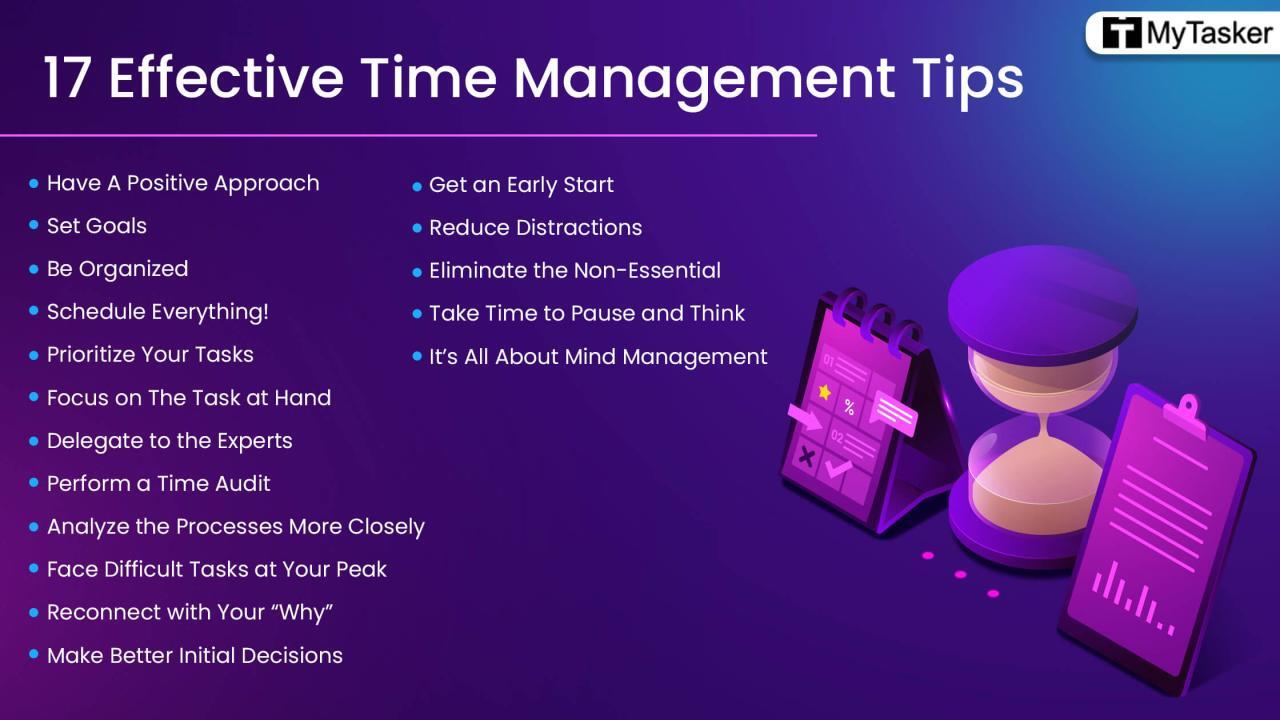
Wedding planning is a significant undertaking that requires a united front. Open, honest, and consistent communication is the bedrock of a successful planning journey, ensuring that both partners feel valued, understood, and aligned with the vision for their special day. This section delves into practical strategies to foster a strong communication dynamic throughout the wedding planning process.Navigating the myriad of decisions, opinions, and emotions inherent in wedding planning can be challenging.
By implementing effective communication techniques, couples can transform potential stressors into opportunities for deeper connection and mutual respect.
Techniques for Open and Honest Dialogue
Establishing a consistent and safe space for discussion is paramount. This involves setting aside dedicated time for wedding talks, free from distractions, where both partners feel empowered to share their thoughts and feelings without judgment.
- Scheduled “Wedding Check-ins”: Designate specific times each week or bi-weekly for open discussions about wedding progress, concerns, and ideas. This could be over coffee on a Saturday morning or during a relaxed evening walk.
- “I Feel” Statements: Encourage the use of “I feel” statements to express emotions and needs rather than accusatory “you” statements. For example, instead of saying “You never listen to my ideas,” try “I feel unheard when my suggestions aren’t considered.”
- Honest Opinion Sharing: Create an environment where both partners feel comfortable expressing their genuine preferences, even if they differ. Acknowledge that compromise will be necessary and that the goal is a wedding that reflects both individuals.
- Visualizing Together: Utilize mood boards, Pinterest, or shared documents to visually represent ideas and preferences. This can help bridge communication gaps and ensure both partners are on the same page regarding aesthetics and overall vibe.
Active Listening Skills
Active listening goes beyond simply hearing words; it involves fully concentrating, understanding, responding, and remembering what is being said. This skill is crucial for ensuring both partners feel genuinely heard and respected during planning discussions.To demonstrate active listening, focus on the following practices:
- Pay Full Attention: Put away phones, turn off the TV, and make direct eye contact. Show that your partner has your undivided attention.
- Non-Verbal Cues: Nod, lean in, and use encouraging facial expressions to convey that you are engaged and receptive to what they are saying.
- Paraphrasing and Summarizing: Periodically rephrase what your partner has said in your own words to confirm understanding. For example, “So, if I understand correctly, you’re saying that you’d prefer a more intimate ceremony because you want to focus on our closest family and friends.”
- Asking Clarifying Questions: If something is unclear, ask open-ended questions to gain deeper insight. “Could you tell me more about why that particular venue appeals to you?”
- Avoiding Interruptions: Allow your partner to finish their thoughts completely before responding. Resist the urge to jump in with your own ideas or counter-arguments.
Constructive Conflict Resolution
Disagreements are inevitable during wedding planning. The key is not to avoid conflict, but to manage it in a way that strengthens the relationship rather than weakens it. Constructive conflict resolution focuses on finding solutions that work for both partners.Here are methods for resolving disagreements productively:
- Identify the Core Issue: Before diving into solutions, ensure both partners understand the root cause of the disagreement. Is it about budget, style, family involvement, or something else entirely?
- Focus on Solutions, Not Blame: Shift the conversation from who is right or wrong to how you can collectively move forward. Brainstorm potential compromises and alternatives together.
- Take Breaks When Needed: If a discussion becomes too heated, agree to take a short break to cool down and revisit the topic later with a clearer perspective.
- Seek Neutral Ground: If a particular decision is causing significant friction, consider seeking advice from a trusted, neutral third party, such as a wedding planner or a mutual friend who can offer an objective viewpoint.
- Compromise and Prioritize: Recognize that not every detail will be perfect for both individuals. Identify what aspects are most important to each of you and be willing to compromise on less critical elements.
Setting Clear Boundaries with External Parties
While family and friends often have the best intentions, their input can sometimes add to wedding planning stress. Establishing clear boundaries with external parties ensures that the couple’s vision remains at the forefront.Strategies for setting and maintaining boundaries include:
- Unified Front: Present a united front when communicating decisions to family and friends. Avoid contradicting each other or allowing external opinions to create division between you.
- Designated Spokesperson: If certain family members tend to be particularly opinionated, consider designating one partner as the primary point of contact for those individuals regarding specific wedding aspects.
- “We’ve Decided” Approach: When discussing decisions, use phrases like “We’ve decided on…” or “Our plan is…” This reinforces that the decision is a joint one.
- Polite but Firm Communication: Be polite and appreciative of input, but also firm in stating your final decisions. For example, “Thank you for your suggestion, but we’ve decided to go with X for the floral arrangements.”
- Limit Information Sharing: You are not obligated to share every detail of your planning process. Share information on a need-to-know basis or when you are ready to discuss specific decisions.
Prioritizing and Delegating Tasks
Wedding planning is a multifaceted endeavor, and effectively managing the sheer volume of tasks can feel overwhelming. A structured approach to prioritization and delegation is key to ensuring that both partners feel in control and that no crucial detail is overlooked. This section will guide you through creating a system that brings order to the planning process and fosters teamwork.The journey towards your wedding day involves numerous decisions and actions, from booking vendors to selecting invitations.
Without a clear plan for tackling these tasks, stress can easily escalate. By learning to identify what’s most important and distributing responsibilities wisely, you can transform a potentially chaotic experience into a collaborative and manageable one.
Task Identification and Categorization System
Establishing a clear system for identifying and categorizing wedding tasks is the first step towards effective management. This allows you to see the entire scope of planning at a glance and make informed decisions about where to focus your energy. A well-organized system prevents tasks from slipping through the cracks and helps maintain momentum.To design an effective system, consider using a comprehensive wedding planning checklist.
This can be a digital spreadsheet, a dedicated app, or even a physical binder. The key is to break down the wedding into major categories and then further subdivide these into specific, actionable tasks.Here’s a suggested categorization framework:
- Budget and Finances: Tracking expenses, setting payment schedules, managing financial contributions.
- Venue and Vendors: Researching, booking, and coordinating with the ceremony and reception venues, caterers, photographers, florists, DJs/bands, officiants, and transportation.
- Guest Experience: Managing the guest list, sending save-the-dates and invitations, arranging accommodations, planning seating charts, and creating a wedding website.
- Attire and Beauty: Selecting wedding attire for both partners, choosing wedding party outfits, scheduling hair and makeup trials.
- Ceremony and Reception Details: Planning the ceremony order of events, selecting readings and music, designing decor, creating a timeline for the reception, and organizing a wedding cake.
- Legal and Administrative: Obtaining the marriage license, updating names if applicable, and managing any necessary legal paperwork.
Once tasks are listed, assign a priority level to each. This can be done using a simple rating system:
- High Priority (Must-Do): Tasks with immediate deadlines or significant impact on other planning elements (e.g., booking the venue, securing the officiant).
- Medium Priority (Should-Do): Tasks that are important but have a bit more flexibility in their timeline (e.g., sending out invitations, finalizing the menu).
- Low Priority (Nice-to-Do): Tasks that add special touches but are not critical to the wedding’s success (e.g., creating custom favors, planning a rehearsal dinner game).
This categorization allows you to focus on the most critical items first, reducing the feeling of being overwhelmed by the sheer number of to-dos.
Collaborative Task Division Based on Strengths and Interests
Effective wedding planning is a partnership, and dividing responsibilities in a way that leverages each partner’s strengths and interests can significantly reduce stress and increase enjoyment. This collaborative approach ensures that both individuals feel invested in the process and that tasks are handled by the person most likely to excel at them. Open communication is vital in determining who takes the lead on which aspects.To facilitate this division, sit down together and review the categorized task list.
Discuss your individual preferences, skills, and even areas where you might want to learn something new. It’s not about fairness in terms of equal numbers of tasks, but about equitable distribution of effort and responsibility.Consider the following when dividing tasks:
- Skills Assessment: Does one partner have a knack for negotiation and budgeting? They might be well-suited for vendor contracts and financial management. Is the other more organized and detail-oriented? They could take charge of the guest list, RSVPs, and stationery.
- Interest Alignment: If one of you is passionate about interior design, let them lead on decor and floral arrangements. If the other enjoys curating playlists, they can manage the music and entertainment. Assigning tasks that genuinely excite you will make the process more enjoyable.
- Time Availability: Be realistic about your respective schedules. If one partner has a demanding job, they might need to delegate more or take on tasks that can be done in smaller chunks of time.
- “The Big Picture” vs. “The Details”: One partner might prefer to focus on the overall vision and aesthetic, while the other thrives on managing the minute details. This division of focus can work very well.
It’s also beneficial to identify tasks that you will tackletogether*. These are often the most enjoyable and bonding experiences, such as venue visits, cake tastings, or creating your wedding registry.
Effective Delegation to Wedding Party and Vendors
Delegation is a powerful tool for managing wedding planning stress, extending beyond just the couple. Leveraging the support of your wedding party and professional vendors can free up your time and mental energy, allowing you to enjoy the engagement period more fully. Effective delegation requires clear communication and trust.When delegating to your wedding party (bridesmaids, groomsmen, etc.), be specific and provide all necessary information.
They are often eager to help, but need direction.Here are tips for delegating to your wedding party:
- Assign Specific Roles: Instead of a general “help me,” assign clear responsibilities. For example, “Can you be in charge of collecting RSVPs from your side of the family?” or “Would you be willing to help assemble the welcome bags for out-of-town guests?”
- Provide Necessary Resources: Ensure they have the contact information for relevant vendors, the guest list for their assigned group, or any materials they need to complete the task.
- Set Clear Expectations and Deadlines: Communicate what you need done and by when. This avoids confusion and ensures tasks are completed on time.
- Express Gratitude: Acknowledge their help and thank them sincerely. This encourages them to continue being supportive.
Delegating to vendors is equally crucial. Vendors are hired for their expertise, so trust them to do their job. However, clear communication is still paramount.Tips for delegating to vendors:
- Provide a Detailed Brief: When booking a vendor, provide them with a clear vision, your budget, and any specific requirements. For instance, with a florist, share your color palette, preferred flower types, and the overall style you’re aiming for.
- Establish Regular Check-ins: Schedule periodic meetings or calls to review progress and address any questions or concerns. This could be a monthly call with your planner or a bi-weekly email update to your caterer.
- Trust Their Professional Judgment: While you have the final say, allow your vendors to offer their professional advice and suggestions. They have experience and can often provide creative solutions.
- Confirm Details in Writing: Ensure all key decisions and agreements are documented in contracts or follow-up emails to avoid misunderstandings.
Managing Overwhelm by Focusing on One Task at a Time
The feeling of overwhelm is a common companion during wedding planning. When faced with a mountain of tasks, it’s easy to feel paralyzed. The most effective strategy to combat this is to adopt a “one task at a time” approach, breaking down the planning into manageable steps. This method promotes focus, reduces anxiety, and increases productivity.The principle is simple: instead of thinking about everything that needs to be done, concentrate your energy on completing a single, well-defined task.
Once that task is finished, move on to the next. This creates a sense of accomplishment and builds momentum, making the overall process feel less daunting.To implement this strategy:
- Identify the Next Actionable Step: Look at your prioritized task list and select the very next item that needs your attention. This should be a specific action, not a broad goal (e.g., “research photographers” is better than “find a photographer”).
- Set a Time Block: Dedicate a specific period to work solely on that task. For example, “I will spend the next hour researching and contacting three potential photographers.” During this time, minimize distractions by turning off notifications or finding a quiet space.
- Focus and Complete: Immerse yourself in the task at hand. Resist the urge to multitask or jump to another item on your list. The goal is to bring this one item to completion or to a defined stopping point.
- Celebrate Small Wins: Once a task is completed, acknowledge your progress. This could be as simple as crossing it off your list with a flourish or taking a short break to enjoy a cup of tea. These small celebrations reinforce the positive feeling of accomplishment.
- Repeat: Once one task is done, return to your list, select the next actionable step, and repeat the process.
This methodical approach ensures steady progress and prevents the feeling of being constantly behind. It’s about working smarter, not just harder, and maintaining a positive and in-control mindset throughout the planning journey.
Building a Support System

Planning a wedding is a significant undertaking, and navigating it as a couple is much smoother when you have a strong support system in place. This network can provide invaluable emotional encouragement, practical assistance, and a much-needed sounding board during the inevitable stresses. Building and leveraging this system is a proactive step towards a more enjoyable planning journey.Recognizing that you don’t have to do it all alone is a crucial mindset shift.
Your support system can be a diverse group of people, each offering different forms of help. It’s about identifying who can best assist you in various aspects of wedding planning and clearly communicating your needs to them.
Identifying Reliable Sources of Support
A robust support system encompasses individuals and professionals who can offer both emotional comfort and tangible help. Identifying these sources early on allows you to delegate effectively and feel more secure throughout the process.Reliable sources of support can be categorized as follows:
- Family Members: Parents, siblings, and close relatives often have experience with wedding planning and a vested interest in your happiness. They can offer advice, emotional reassurance, and sometimes financial contributions or hands-on help with specific tasks.
- Close Friends: Your bridal party and other trusted friends can be excellent sources of emotional support, offering listening ears, encouragement, and a fun distraction when needed. They can also be great for practical tasks like DIY projects or running errands.
- Mentors or Experienced Couples: Couples who have recently gone through wedding planning can share practical tips, lessons learned, and offer a unique perspective on managing stress.
- Therapists or Counselors: For couples experiencing significant relationship strain due to wedding planning, professional counseling can provide tools and strategies for healthy communication and conflict resolution.
Benefits of Engaging a Wedding Planner or Coordinator
While not every couple opts for professional help, a wedding planner or coordinator can significantly alleviate stress by bringing expertise, organization, and a calm presence to the planning process. Their role extends beyond just logistics; they are instrumental in managing expectations and navigating the complexities of vendor contracts and timelines.A professional wedding planner or coordinator offers several key benefits:
- Expertise and Industry Knowledge: They have established relationships with vendors, understand current trends, and know how to navigate potential pitfalls, saving you time and costly mistakes.
- Stress Reduction: By taking on the bulk of the organizational and logistical tasks, they free up your time and mental energy, allowing you to focus on enjoying your engagement and making key decisions.
- Budget Management: Planners are skilled at working within a budget, finding cost-effective solutions, and negotiating with vendors to maximize your spending.
- Problem-Solving: They are adept at handling unexpected issues that may arise on the wedding day or during the planning process, ensuring a smooth experience.
The investment in a wedding planner or coordinator can often be offset by the savings they achieve through vendor negotiations and by preventing costly errors.
Communicating Needs to Your Support Network
Effectively communicating your needs to your support system is paramount to receiving the right kind of help. Vague requests can lead to misunderstandings or the wrong kind of assistance. Be specific about what you need, when you need it, and how it will be helpful.Clear communication strategies include:
- Be Specific with Requests: Instead of saying “I need help,” say “Could you help me address these 50 invitations by next Friday?” or “I’m feeling overwhelmed with venue research; could you look into three options within our budget and provide a brief summary?”
- Set Clear Expectations: Discuss the level of involvement you envision for each person. For example, a bridesmaid might be happy to help with DIY decor, but not necessarily with vendor selection.
- Express Gratitude Regularly: Acknowledge and appreciate the help you receive, no matter how small. This fosters goodwill and encourages continued support.
- Schedule Check-ins: For ongoing tasks or emotional support, schedule regular check-ins to update your support network and allow them to offer assistance proactively.
- Be Open to Their Suggestions (Within Reason): While you are in charge, be receptive to the advice and ideas of your trusted support system, as they may offer valuable insights.
It’s also important to understand that your support network has their own lives and commitments. Be mindful of their time and resources when making requests.
Leveraging the Strengths of Your Wedding Party
Your wedding party is often comprised of your closest friends and family, making them an ideal group to tap for support. By understanding their individual strengths and interests, you can delegate tasks in a way that is both beneficial to your planning and enjoyable for them.Consider the following ways to leverage your wedding party:
- Assign Tasks Based on Skills: Does your maid of honor have a knack for graphic design? She might be perfect for creating wedding stationery or signage. Is your best man a great organizer? He could help manage RSVPs or coordinate transportation.
- Delegate DIY Projects: If you have any DIY elements, like favors or decor, assign these to members of your wedding party who enjoy crafting. Make it a fun group activity.
- Enlist Help with Research: Ask members of your wedding party to research specific vendors, venues, or even honeymoon destinations. Provide them with clear criteria and a deadline.
- Utilize Them for Errands: If you’re short on time, wedding party members can help with tasks like picking up dry cleaning for attire, delivering invitations, or collecting RSVPs.
- Emotional Support Crew: Beyond practical tasks, your wedding party is your built-in emotional support system. Encourage them to be there for you during stressful moments, to listen without judgment, and to offer words of encouragement.
Remember to clearly communicate expectations for each task and express your sincere appreciation for their efforts. Their willingness to help is a testament to their love and support for you as a couple.
Self-Care and Couple’s Well-being
Wedding planning, while exciting, can be a demanding marathon. It is paramount for both individuals to nurture their personal well-being throughout this process. Prioritizing self-care isn’t selfish; it’s essential for maintaining emotional resilience, clear thinking, and a positive outlook, which directly benefits the couple’s dynamic and the overall planning experience. Neglecting personal needs can lead to increased tension, irritability, and a diminished capacity to enjoy the journey towards marriage.Maintaining individual well-being during wedding planning involves a conscious effort to engage in activities that replenish energy and reduce stress.
This might include continuing hobbies, spending time with friends outside of wedding-related discussions, or simply carving out quiet moments for oneself. Recognizing that each partner has unique needs for de-stressing is also crucial. What recharges one person might not do the same for the other, so open communication about these needs is vital.
Stress-Reducing Activities for Couples
Engaging in shared activities that promote relaxation and connection can significantly alleviate wedding planning stress. These moments serve as a vital reminder of the partnership and the love that is the foundation of the wedding. It’s about stepping away from the logistics and reconnecting on a more personal level.Here are some ideas for stress-reducing activities couples can enjoy together:
- Date Nights: Schedule regular date nights, even if they are simple. This could be a quiet dinner at home, a walk in the park, or attending a local event. The key is to focus on each other without discussing wedding details.
- Physical Activity: Engage in activities like hiking, cycling, dancing, or a couples’ yoga class. Exercise is a fantastic stress reliever and can be a fun way to bond.
- Creative Pursuits: Try a new hobby together, such as pottery, painting, or cooking a new recipe. The shared experience of learning and creating can be very therapeutic.
- Relaxation Rituals: Create a relaxing ritual together, like a weekly massage exchange, a shared bath with candles, or simply dedicating time to read side-by-side in comfortable silence.
- Mindfulness and Meditation: Practice guided meditation or mindfulness exercises together. Apps like Calm or Headspace offer guided sessions specifically for couples.
Preserving Quality Time
Amidst the whirlwind of to-do lists and vendor meetings, it’s easy for quality time to get sidelined. However, intentionally preserving these moments is crucial for maintaining a strong relationship and preventing resentment from building. Quality time isn’t just about being in the same room; it’s about genuine connection and shared experiences.Methods for ensuring quality time is preserved include:
- Scheduled “No Wedding Talk” Time: Designate specific times, perhaps one evening a week or a full Sunday afternoon, where wedding planning is strictly off-limits.
- Prioritize Shared Hobbies: If you both enjoy a particular activity, make time for it. This could be watching a favorite show, playing a board game, or visiting a place you both love.
- Meaningful Conversations: Beyond wedding logistics, make an effort to discuss your dreams, fears, and what you’re looking forward to in your married life. This deepens your connection.
- Small Gestures of Affection: Don’t underestimate the power of small gestures like leaving a sweet note, giving a spontaneous hug, or expressing appreciation for each other.
- Weekend Getaways (even short ones): If feasible, a short weekend trip or even a day trip to a nearby town can provide a significant mental break and a chance to reconnect away from the planning pressures.
Recognizing and Addressing Burnout Symptoms
Burnout is a state of emotional, physical, and mental exhaustion caused by prolonged stress. In wedding planning, it can manifest as feeling overwhelmed, cynical, detached, and experiencing a lack of accomplishment. Recognizing these symptoms early is key to preventing them from escalating and negatively impacting the relationship and the wedding itself.Strategies for recognizing and addressing burnout symptoms include:
- Open Communication About Feelings: Encourage honest conversations about how each partner is feeling. If one person expresses feeling exhausted or overwhelmed, listen without judgment and acknowledge their feelings.
- Monitor for Changes in Behavior: Be aware of shifts in mood, energy levels, sleep patterns, or appetite. Increased irritability, withdrawal, or a loss of interest in previously enjoyed activities can be indicators of burnout.
- Identify Individual Triggers: Understand what specific aspects of wedding planning are most draining for each person. Is it budget discussions, dealing with difficult family members, or the sheer volume of decisions?
- Take Scheduled Breaks: Just as you schedule meetings, schedule time off from wedding planning. This could be a full day, a weekend, or even just a few hours to completely disconnect.
- Seek External Support: Don’t hesitate to lean on your support system. Talking to trusted friends, family members, or even a therapist can provide valuable perspective and coping strategies.
- Re-evaluate and Adjust: If certain tasks or aspects of planning are consistently leading to burnout, it may be time to re-evaluate your approach. Can tasks be delegated further? Can certain decisions be simplified?
- Focus on the “Why”: Remind yourselves of the core reason for the wedding – your commitment to each other. This can help reframe challenges and maintain perspective.
“Self-care is not a luxury, it’s a necessity. For couples planning a wedding, it’s the foundation for a happy and healthy journey towards marriage.”
Managing Budgetary Stress

The financial aspect of wedding planning can often be a significant source of stress for couples. Open and honest conversations about money are crucial from the outset to establish a shared understanding of financial goals and limitations. By approaching your budget as a team, you can navigate potential conflicts and make informed decisions that align with your overall vision for the wedding.Creating a realistic wedding budget is the foundational step in managing financial stress.
This involves a thorough assessment of your combined financial resources and a clear understanding of your priorities. It’s important to be transparent about individual savings, potential debts, and any expectations for financial support from others.
Collaborative Budget Creation
Developing a wedding budget collaboratively ensures that both partners have a voice and feel invested in the financial plan. This process should be approached with open communication and a willingness to compromise.To create a realistic wedding budget, begin by having an open discussion about your total available funds. This includes savings, any contributions you anticipate, and what you are comfortable borrowing, if necessary.
Next, list all potential wedding expenses, from the venue and catering to attire, decorations, and the honeymoon. Categorize these expenses and assign an estimated cost to each, researching average prices in your desired location. It’s highly recommended to allocate a contingency fund, typically 5-10% of the total budget, for unexpected costs.
“A well-defined budget acts as a roadmap, guiding your decisions and preventing impulsive spending that can lead to financial strain.”
Expense Tracking and Financial Control
Consistent tracking of wedding expenses is vital to ensure you remain within your allocated budget and to identify areas where adjustments might be needed. Implementing a system for monitoring spending allows for proactive management and helps prevent overspending.Several effective techniques can be employed for tracking expenses:
- Spreadsheets: A detailed spreadsheet, such as one created in Google Sheets or Microsoft Excel, is an invaluable tool. It can be organized by category, with columns for estimated cost, actual cost, vendor, and payment status. This allows for easy calculation of totals and identification of any discrepancies.
- Budgeting Apps: Numerous mobile applications are designed specifically for wedding budget management. These apps often offer features like expense tracking, vendor management, and payment reminders, simplifying the process on the go.
- Dedicated Notebook: For a more tactile approach, a dedicated notebook can serve as a simple yet effective way to record all expenditures. Regularly updating this notebook with receipts ensures accuracy.
It is also beneficial to establish a system for making payments. For larger expenses, consider setting up automatic transfers or scheduling payments in advance to avoid last-minute financial pressure. Regularly reviewing your tracked expenses against your budget, perhaps on a weekly or bi-weekly basis, allows for timely adjustments and helps maintain financial discipline.
Discussing Financial Contributions from Family
Navigating discussions about financial contributions from family members requires sensitivity, clarity, and a united front as a couple. It’s important to approach these conversations with gratitude and respect, while also being clear about your own financial planning.Before speaking with family, as a couple, decide what you are comfortable with regarding their contributions. Determine if you are open to receiving financial gifts, if you have specific areas where you would appreciate support, or if you prefer to manage the budget independently.
When initiating the conversation, express your appreciation for their love and support. You can then explain your budget and highlight areas where their contribution, if they are offering, would be most impactful. Frame it as an opportunity for them to be a part of your special day in a meaningful way, rather than an expectation. For instance, you might say, “We’re so excited to plan our wedding and are so grateful for your support.
We’ve been working on a budget, and we’d be incredibly touched if you felt inclined to contribute to [specific aspect, e.g., the venue or honeymoon fund].”
Making Budgetary Compromises
Compromise is an inevitable and often necessary part of wedding planning, especially when it comes to budget-related decisions. The ability to find common ground and make mutually agreeable adjustments will significantly reduce stress and ensure both partners feel heard and respected.When faced with budget constraints or differing priorities, engage in a problem-solving approach.
- Identify Non-Negotiables: Both partners should identify a few key elements of the wedding that are most important to them and are considered non-negotiable. Understanding these core priorities helps in making informed decisions about where to allocate funds and where to be flexible.
- Explore Alternatives: For areas where the desired option exceeds the budget, brainstorm alternative solutions together. This could involve seeking out different vendors, considering off-peak dates or times, reducing the guest list, or opting for DIY decorations for certain elements. For example, if a dream venue is too expensive, explore similar venues in a less popular location or consider a weekday wedding.
- Prioritize and Re-evaluate: If a compromise is needed, revisit your overall budget and priorities. Sometimes, saving money in one area allows for more spending in another that is more significant to one of you. For instance, if you decide to economize on floral arrangements, that saved money could be reallocated to a photographer whose work you both adore.
- The “One In, One Out” Rule: For smaller discretionary expenses, consider implementing a rule where for every non-essential item you add, another non-essential item must be removed or reduced. This encourages mindful spending.
The key to successful compromise is active listening, empathy, and a shared commitment to making the wedding a reflection of your love and commitment, within your financial means.
Navigating Vendor Relationships

As you embark on your wedding planning journey, you’ll inevitably collaborate with a variety of vendors who will bring your vision to life. Building strong, clear, and positive relationships with these professionals is paramount to a smooth and stress-free experience. This section will guide you through best practices for managing these crucial partnerships.Establishing clear expectations from the outset is the foundation of any successful vendor relationship.
This proactive approach minimizes the chances of misunderstandings and ensures both parties are aligned on the vision, scope, and deliverables.
Setting Clear Expectations When Hiring Vendors
To ensure a harmonious partnership, it’s essential to be explicit about your needs and desires from the very beginning. This involves thorough research, open dialogue, and a commitment to transparency.Before even signing a contract, dedicate time to discuss the following with potential vendors:
- Vision and Style: Clearly articulate your wedding’s overall theme, color palette, and desired aesthetic. Share inspiration images and Pinterest boards to provide a visual representation of your expectations.
- Services Included: Obtain a detailed breakdown of all services offered and what is included in their packages. Ask clarifying questions to ensure you understand the scope of work.
- Timeline and Deliverables: Discuss the vendor’s timeline for their services, including key milestones, delivery dates, and any dependencies on your input.
- Budgetary Parameters: Be upfront about your budget. This allows vendors to propose solutions that fit within your financial constraints and avoids disappointment later.
- Contingency Plans: Inquire about their backup plans for unforeseen circumstances, such as illness, equipment failure, or weather-related issues.
Communicating Effectively with Vendors
Consistent and clear communication is the lifeblood of a successful vendor relationship. Proactive communication can prevent minor issues from escalating into significant problems.Best practices for communicating with your vendors include:
- Designated Point of Contact: Decide as a couple who will be the primary point of contact for each vendor. This avoids confusion and ensures a streamlined communication flow.
- Preferred Communication Channels: Understand your vendors’ preferred methods of communication (email, phone, text, or a dedicated client portal) and adhere to them.
- Timely Responses: Respond to vendor inquiries and requests promptly. Delays in your responses can impact their workflow and potentially the quality of their service.
- Written Confirmations: For important decisions or changes, follow up verbal conversations with a brief email confirmation to create a record.
- Regular Check-ins: Schedule periodic check-ins, especially as the wedding date approaches, to ensure everything is on track and to address any emerging questions.
Handling Potential Issues or Changes with Vendors
Despite meticulous planning, unexpected issues or necessary changes can arise. Approaching these situations with professionalism and a collaborative spirit is key to finding resolutions.When faced with potential issues or changes:
- Address Issues Promptly: Do not let concerns fester. Communicate any dissatisfaction or potential problems as soon as they arise.
- Be Specific and Factual: When discussing an issue, clearly state what the problem is, when it occurred, and what impact it has.
- Seek Collaborative Solutions: Frame the conversation around finding a solution together. Ask the vendor for their suggestions on how to rectify the situation.
- Understand Contractual Terms: Refer to your contract to understand clauses related to changes, cancellations, or dispute resolution.
- Maintain a Professional Demeanor: Even when frustrated, maintain a calm and respectful tone. This fosters a more productive discussion.
Organizing Vendor Contracts and Agreements
Vendor contracts are legally binding documents that Artikel the terms of service, responsibilities, and payment schedules. Thoroughly reviewing and organizing these agreements is a critical step in protecting yourselves and ensuring clarity.A systematic approach to reviewing vendor contracts includes:
- Initial Review Together: Before signing any contract, both partners should read through it carefully. Discuss any clauses that are unclear or concerning.
- Identify Key Clauses: Pay close attention to sections detailing:
- Scope of services and deliverables
- Payment schedule and terms (including deposit, installments, and final payment)
- Cancellation policy and associated fees
- Liability and insurance
- Force majeure (unforeseeable circumstances)
- Termination clauses
- Ownership of intellectual property (e.g., for photographers and videographers)
- Seek Clarification: If any part of the contract is ambiguous, do not hesitate to ask the vendor for clarification in writing.
- Negotiate if Necessary: For certain terms, you may have room for negotiation. Be prepared to discuss your concerns respectfully.
- Professional Legal Review (Optional but Recommended): For significant investments or complex contracts, consider having a legal professional review the documents to ensure your interests are protected.
- Centralized Filing System: Create a dedicated folder (physical or digital) for all vendor contracts and related correspondence. This ensures easy access to all important documents.
- Track Payment Deadlines: Use a calendar or spreadsheet to mark all payment due dates. Set reminders to avoid late fees.
Embracing Flexibility and Adaptability
Wedding planning is often envisioned as a perfectly executed roadmap, but the reality is that unforeseen circumstances can and often do arise. Embracing flexibility and adaptability is not just about rolling with the punches; it’s about building resilience into your planning process, ensuring that unexpected changes don’t derail your joy and commitment to each other. By cultivating a mindset that anticipates and accommodates the unexpected, you can navigate challenges with grace and even discover new opportunities.The key to managing wedding planning stress lies in acknowledging that perfection is an illusion and that genuine connection and commitment are the true cornerstones of your union.
When you can approach the planning process with a flexible spirit, you are better equipped to handle disruptions without letting them overshadow the excitement of your upcoming marriage. This proactive approach to adaptability can transform potential stressors into moments of creative problem-solving and shared accomplishment.
Preparedness for Unexpected Changes
Being prepared for unexpected changes means recognizing that external factors, from weather events to vendor availability, can impact your carefully laid plans. Instead of viewing these as catastrophic failures, consider them as natural occurrences that require thoughtful responses. Developing contingency plans for key aspects of your wedding, such as a backup venue for outdoor ceremonies or a list of alternative vendors, can significantly reduce anxiety when a situation deviates from the original plan.
This foresight allows you to pivot quickly and effectively, minimizing disruption and stress.A prime example of this preparedness can be seen in couples who meticulously plan for weather. For a spring wedding, anticipating potential rain might involve securing a beautiful indoor space as a secondary option, complete with appropriate décor and seating arrangements. This doesn’t mean abandoning the dream of an outdoor ceremony; it means having a solid, equally appealing alternative ready to go, ensuring the celebration can proceed smoothly regardless of the forecast.
Strategies for Adjusting Plans
Adjusting wedding plans without succumbing to undue stress involves a calm and systematic approach. When a change is necessary, take a moment to assess the situation objectively. Identify the core elements of your vision that are non-negotiable and those that offer more room for compromise. Open communication with your partner is paramount during this phase; discuss the implications of the change together and collaboratively decide on the best course of action.Consider the following strategies for adjusting plans:
- Prioritize core values: Determine which aspects of the wedding are most important to you as a couple (e.g., the guest experience, the ceremony’s sentiment, specific traditions). Focus adjustments around preserving these core elements.
- Communicate with stakeholders: Inform your wedding party, key family members, and relevant vendors about the changes as soon as decisions are made. Clear and timely communication prevents confusion and ensures everyone is aligned.
- Seek input from trusted advisors: Your wedding planner, if you have one, is an invaluable resource for navigating changes. If not, lean on experienced friends or family members who can offer practical advice and support.
- Be decisive but not hasty: While it’s important to act quickly when necessary, avoid making rash decisions. Take time to consider the options thoroughly before committing to a new plan.
Reframing Challenges as Opportunities
Every challenge encountered during wedding planning can be reframed as an opportunity for creative solutions and a deeper understanding of your partnership. Instead of dwelling on what went wrong, shift your focus to what can be done differently and better. This positive reframing fosters innovation and can lead to unique wedding elements that you might not have considered otherwise.For instance, if a desired flower becomes unavailable due to seasonal issues or supply chain problems, this can be an opportunity to explore local, in-season blooms that offer a fresh aesthetic and support local growers.
Similarly, if a venue booking falls through, it might lead you to discover a more intimate or unconventional space that perfectly suits your personalities and wedding style.
“The greatest glory in living lies not in never falling, but in rising every time we fall.”Nelson Mandela. This sentiment perfectly captures the spirit of reframing challenges in wedding planning.
Maintaining a Positive Outlook
Maintaining a positive outlook, even when things don’t go as planned, is crucial for enjoying the journey to your wedding day. This involves cultivating gratitude for what is going right, celebrating small victories, and remembering the ultimate purpose of your wedding: the beginning of your married life together. Regularly engaging in activities that bring you joy and reduce stress as a couple can reinforce this positive mindset.Practices that support a positive outlook include:
- Focus on the ‘why’: Regularly remind yourselves of your love and commitment to each other. The wedding is a celebration of this, and that is the most important aspect.
- Practice mindfulness: Engage in activities that help you stay present, such as meditation, deep breathing exercises, or spending quiet time together. This can help prevent worries about the future or regrets about the past from taking over.
- Schedule fun dates: Make time for non-wedding-related activities that you both enjoy. These moments of fun and relaxation are essential for recharging your batteries and strengthening your bond.
- Express gratitude: Acknowledge and appreciate the efforts of those helping you plan your wedding, and take time to be thankful for the positive aspects of your relationship and the upcoming celebration.
Final Review
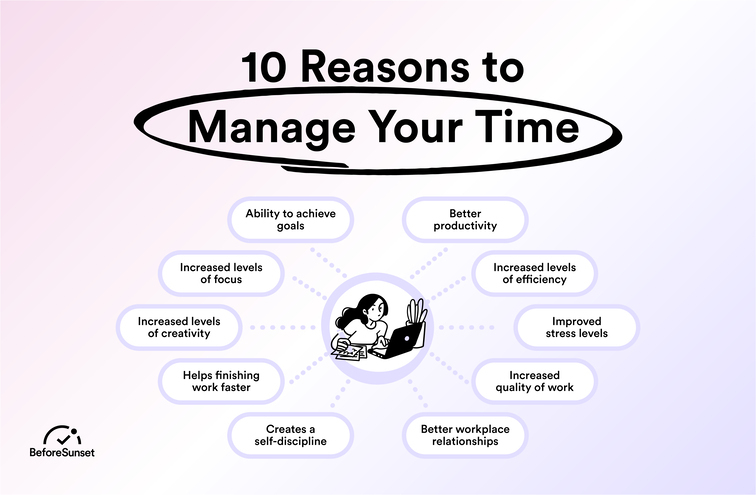
In essence, managing wedding planning stress as a couple is an ongoing practice of open communication, mutual respect, and strategic collaboration. By implementing effective strategies for discussing decisions, prioritizing tasks, building a robust support system, and prioritizing self-care, couples can transform potential sources of conflict into opportunities for deeper connection and shared accomplishment. Embracing flexibility and maintaining a positive outlook are key to not only surviving but truly thriving throughout this significant chapter, ensuring the wedding day is a beautiful reflection of a strong and resilient partnership.