Embarking on the journey of wedding planning is an exciting chapter, and the dream of a beautifully decorated celebration doesn’t have to be out of reach, even with financial considerations. This guide is crafted to illuminate the path to creating a wedding that is both stunning and budget-conscious, offering practical strategies and creative solutions to make your special day truly memorable without overspending.
We will delve into the core principles of planning a wedding with financial constraints, demystifying common misconceptions and establishing realistic expectations from the start. You’ll discover how to effectively break down and allocate your budget, identify key areas for savings, and explore savvy venue selection, cost-effective catering, and impactful DIY decor. Furthermore, we’ll cover smart choices for attire, entertainment, photography, stationery, and the crucial aspect of guest list management, all while leveraging sales, discounts, and free resources to maximize your budget’s potential.
Understanding the Budget Wedding Concept
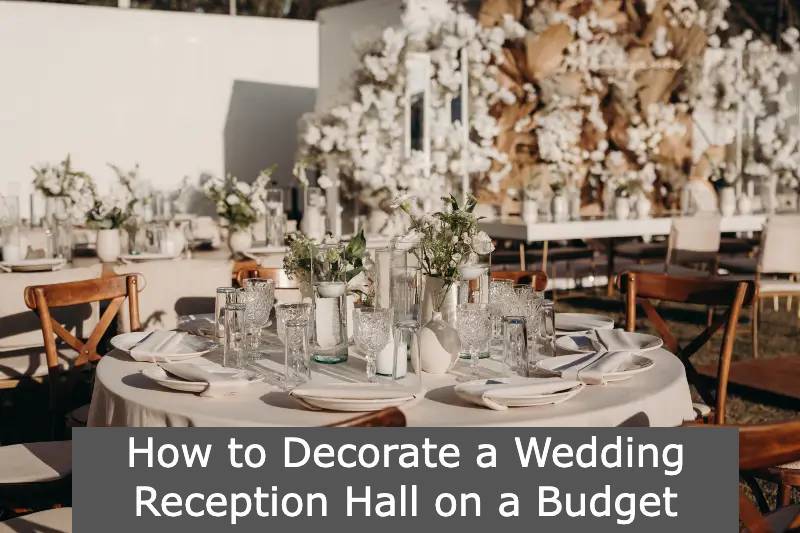
Planning a wedding is a significant life event, and for many couples, it also represents a substantial financial undertaking. The concept of a budget wedding is not about compromising on the joy or significance of your special day, but rather about making smart, intentional choices that align with your financial realities. It’s about prioritizing what truly matters to you as a couple and finding creative ways to achieve your dream wedding without incurring overwhelming debt.A budget wedding embraces resourcefulness, strategic planning, and a focus on experiences over extravagance.
It challenges the notion that a wedding must be opulent to be memorable. By understanding and implementing budget-friendly strategies, couples can celebrate their union in a way that is both beautiful and financially responsible, setting a positive tone for their married life.
Core Principles of Planning with Financial Constraints
The foundation of a successful budget wedding lies in a clear understanding of financial limitations and a commitment to making conscious decisions. This approach prioritizes value and meaning over sheer expense, ensuring that every dollar spent contributes to the couple’s vision for their day. It requires a shift in perspective, viewing financial limitations not as restrictions, but as opportunities for creativity and personalization.Key principles include:
- Honest Financial Assessment: Before any planning begins, couples must have an open and honest conversation about their financial situation, including savings, potential contributions from family, and what they can realistically afford to spend without long-term financial strain.
- Prioritization of Values: Identifying the non-negotiable elements of the wedding is crucial. This could be a specific venue, a particular photographer, or the guest list size. Focusing resources on these high-priority items allows for more flexibility in other areas.
- Creative Problem-Solving: Budget weddings often involve finding innovative solutions, such as DIY elements, off-peak season dates, or alternative venues. This encourages a personalized touch and can lead to unique and memorable details.
- Guest Experience Focus: While managing costs, maintaining a positive guest experience remains paramount. This involves ensuring guests feel welcomed, well-fed, and entertained, regardless of the budget.
- Flexibility and Adaptability: Being open to adjustments and compromises is essential. Unexpected costs can arise, and a flexible mindset allows couples to navigate these challenges without derailing their budget.
Common Misconceptions About Budget Weddings
The term “budget wedding” can sometimes conjure images of austerity or a lack of elegance, which is far from the reality for many couples. These misconceptions can create unnecessary pressure or lead to disappointment if not properly addressed. Understanding these myths allows couples to embrace the budget wedding concept with confidence and clarity.Common misconceptions include:
- Myth: Budget weddings are inherently cheap-looking or lacking in style. In reality, a budget wedding can be incredibly chic and sophisticated by focusing on thoughtful details, elegant color palettes, and smart décor choices. For example, a minimalist approach with high-quality linens and a few statement floral arrangements can be more impactful than an abundance of less refined elements.
- Myth: You have to sacrifice quality for cost. This is not always true. Often, by being selective and researching thoroughly, couples can find vendors who offer excellent quality at competitive prices. Negotiating or opting for services during off-peak times can also secure better rates without compromising quality.
- Myth: Budget weddings mean a smaller, less significant celebration. The size of the wedding does not dictate its significance. A deeply personal and heartfelt ceremony with a curated guest list can be just as meaningful, if not more so, than a large, extravagant affair. The focus is on celebrating your union with those who matter most.
- Myth: DIY is always cheaper. While DIY can save money, it’s important to consider the cost of materials, time investment, and potential stress. Sometimes, outsourcing a specific task to a professional can be more cost-effective in the long run, especially if it frees up time for other important preparations.
Addressing these misconceptions involves open communication, thorough research, and a commitment to defining what “budget-friendly” means for your specific wedding.
Strategies for Setting Realistic Budget Expectations
Establishing realistic budget expectations from the very beginning is fundamental to a stress-free and successful budget wedding. This proactive approach prevents overspending and ensures that financial goals are met without compromising the couple’s overall vision for their special day. It involves a methodical process of understanding costs and making informed decisions.Here are effective strategies for setting realistic budget expectations:
- Conduct a Thorough Financial Audit: Before looking at any wedding-related expenses, couples should meticulously review their current savings, income, and any potential financial gifts they might receive. This provides a clear picture of the total available funds.
- Research Average Costs in Your Area: Wedding costs vary significantly by location. Researching the average prices for venues, caterers, photographers, and other services in your desired wedding region is crucial for setting accurate estimates. Websites like The Knot or WeddingWire often provide local cost breakdowns.
- Create a Detailed Spreadsheet: A comprehensive spreadsheet is an invaluable tool. It should list every potential wedding expense category, from the dress and rings to the smallest décor item. For each category, include an estimated cost based on research and a column for the actual cost.
- Allocate Funds Based on Priorities: Once priorities are established, allocate a larger portion of the budget to those key elements. For example, if photography is paramount, dedicate a significant percentage of the budget to securing a skilled photographer, while being more frugal with other areas.
- Include a Contingency Fund: It is highly advisable to set aside 5-10% of the total budget for unexpected expenses. This buffer can prevent a small unforeseen cost from becoming a major budget crisis.
- Get Multiple Quotes: Never settle for the first quote you receive. Obtaining at least three quotes for major vendors allows for comparison and negotiation, ensuring you are getting the best value for your money.
The goal is to create a budget that is both aspirational and achievable, guiding your decisions throughout the planning process.
Prioritizing Elements Most Meaningful to the Couple
The true essence of a budget wedding lies in its ability to reflect the couple’s unique personalities and values, rather than adhering to societal expectations of what a wedding “should” be. Prioritizing elements that are deeply meaningful allows couples to allocate their financial resources strategically, ensuring that their investment goes towards what truly matters to them, creating a more personal and memorable celebration.The process of prioritizing involves:
- Identifying Core Values as a Couple: Sit down together and discuss what aspects of a wedding are most important to each of you. Is it the food, the music, the photography, the guest experience, or perhaps a specific religious or cultural tradition?
- Defining “Must-Haves” vs. “Nice-to-Haves”: Differentiate between elements that are absolutely essential for your vision and those that would be a bonus but are not critical. For instance, a live band might be a “must-have” for one couple, while a lavish floral display might be a “nice-to-have” for another.
- Considering the Guest Experience: Think about what will make your guests feel most celebrated and comfortable. This might mean investing in excellent catering, comfortable seating, or engaging entertainment, even if it means scaling back on other areas.
- Reflecting Your Story: Incorporate elements that tell your unique love story. This could be through personalized vows, a signature cocktail named after a significant moment, or décor that reflects your shared hobbies and interests.
- Allocating Budget Accordingly: Once priorities are clear, allocate a larger portion of your budget to those high-priority items. For example, if capturing memories through photography is crucial, invest in a skilled photographer rather than splurging on expensive favors that may be forgotten.
By focusing on what is truly meaningful, couples can create a wedding that is not only beautiful and celebratory but also a genuine reflection of their love and commitment, regardless of the budget.
Budget Breakdown and Allocation
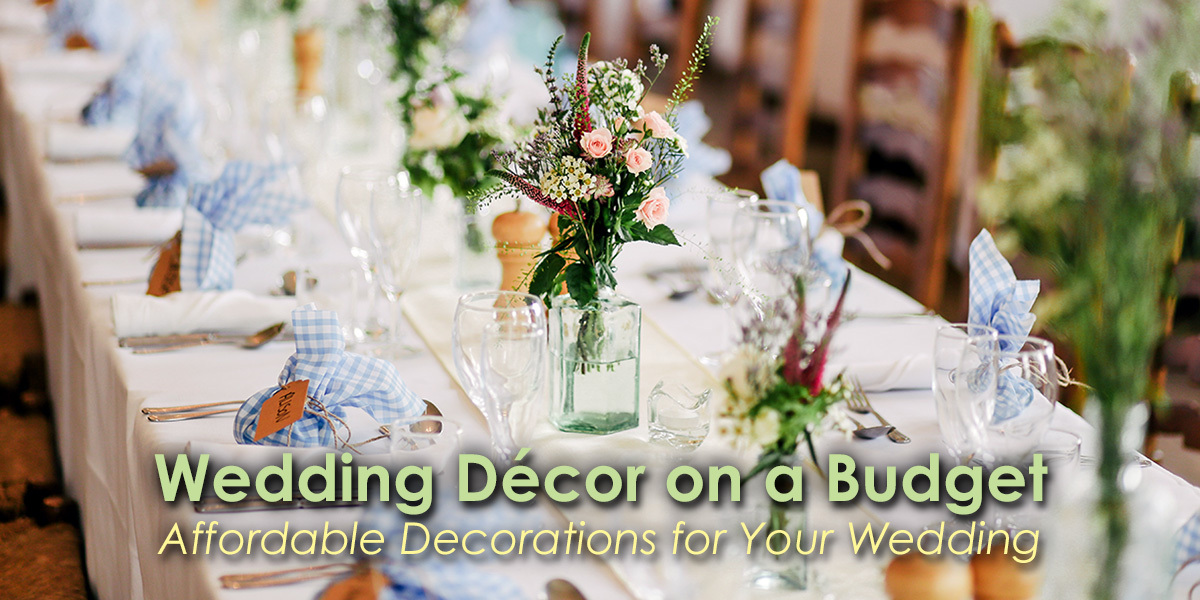
Understanding the concept of a budget wedding is the first step, but effectively allocating those funds is where the magic truly happens. A well-structured budget breakdown ensures that your financial resources are directed towards the elements that matter most to you as a couple, while also identifying areas where smart savings can be made. This section will guide you through creating a practical budget and strategically distributing your funds.A sample budget breakdown serves as a tangible roadmap, illustrating how financial limits can be met without sacrificing the joy and significance of your wedding day.
By categorizing expenses and assigning realistic amounts, you gain clarity and control over your spending, preventing overcommitment and allowing for thoughtful prioritization.
Sample Wedding Budget Breakdown ($10,000 Limit)
This sample budget is designed for a wedding with a total expenditure limit of $10,000. It’s a flexible guide and can be adjusted based on individual priorities and local costs.
- Venue Rental: $3,000 (This often includes basic setup and sometimes catering coordination)
- Catering & Bar: $3,500 (For 100 guests, this averages $35 per person)
- Photography: $1,500 (A key investment for capturing memories)
- Attire (Bride & Groom): $800 (Includes dress, suit, alterations, and accessories)
- Decorations & Flowers: $700 (Focus on DIY or minimal floral arrangements)
- Music/Entertainment: $500 (DJ services or a curated playlist)
- Stationery (Invitations, Save-the-Dates): $200 (Digital options or simpler designs)
- Officiant Fee: $100
- Wedding Rings: $300
- Miscellaneous (Favors, Marriage License, Contingency): $100
Wedding Expense Tracking Template
A detailed tracking template is essential for monitoring your spending against your allocated budget. This helps in identifying potential overspending early on and making necessary adjustments.Here is a template structure that can be adapted into a spreadsheet:
| Category | Estimated Cost | Actual Cost | Difference | Notes |
|---|---|---|---|---|
| Venue Rental | $3,000 | |||
| Catering & Bar | $3,500 | |||
| Photography | $1,500 | |||
| Attire (Bride & Groom) | $800 | |||
| Decorations & Flowers | $700 | |||
| Music/Entertainment | $500 | |||
| Stationery | $200 | |||
| Officiant Fee | $100 | |||
| Wedding Rings | $300 | |||
| Miscellaneous | $100 | |||
| TOTAL | $10,000 |
Key Areas for Significant Savings
Several aspects of a wedding offer substantial opportunities for cost reduction without compromising the overall experience. Focusing your efforts on these areas can free up funds for other priorities.The following are key areas where couples can achieve considerable savings:
- Guest List: A smaller guest list directly impacts catering, venue size, and stationery costs. Every guest added increases expenses.
- Off-Peak Dates and Times: Consider weekdays, Sundays, or off-season months (like January or February) for venue and vendor discounts.
- DIY Elements: Incorporating do-it-yourself projects for decorations, favors, or even stationery can lead to substantial savings.
- Vendor Negotiation and Bundling: Don’t be afraid to negotiate prices, especially when booking multiple services from the same vendor.
- Prioritizing Photography: While crucial, explore photographers offering shorter coverage hours or package deals.
- Smart Catering Choices: Opt for buffet-style meals over plated dinners, or consider a brunch or cocktail reception which can be more cost-effective.
Effective Fund Allocation Methods
Allocating your budget effectively requires a strategic approach that balances your desires with your financial realities. This involves understanding the cost drivers for each category and making informed decisions about where to invest your money.Here’s how to allocate funds effectively across key wedding elements:
- Venue: This is often the largest single expense. Prioritize finding a venue that fits your guest count and aesthetic. Consider all-inclusive packages, which can sometimes offer better value than booking separate vendors. Look for venues that allow you to bring in your own caterer or alcohol, as this can sometimes reduce costs. For example, a historic home or a community hall might be significantly cheaper than a dedicated banquet facility.
- Catering: This is typically the second-largest expense. To save, consider serving fewer courses, opting for a buffet or food stations, or choosing a less expensive protein. A well-chosen appetizer and dessert reception can also be a more budget-friendly alternative to a full dinner. For a $10,000 wedding with 100 guests, aiming for $30-$40 per person for food and beverages is a reasonable target.
- Attire: Bridal gowns and groom’s suits can be a significant cost. Consider sample sales, trunk shows, or off-the-rack options. Renting a suit or tuxedo is also a cost-effective choice. For dresses, exploring pre-owned options or non-traditional bridal boutiques can yield considerable savings. Remember to factor in alteration costs, which can add up.
- Decor: This is an area where creativity can lead to significant savings. Focus on a few key statement pieces rather than trying to decorate every corner. DIY centerpieces, using greenery instead of expensive flowers, or repurposing items can drastically reduce costs. For instance, using fairy lights, candles, or natural elements like branches can create a beautiful ambiance without a hefty price tag.
Savvy Venue Selection
Selecting the right wedding venue is one of the most significant decisions in wedding planning, especially when working with a budget. It often represents a substantial portion of the overall expenditure, and its impact extends to guest experience, theme, and logistics. This section will guide you through finding affordable venues that offer excellent value, exploring alternative options, and mastering the art of negotiation.Choosing a venue that aligns with your budget doesn’t mean compromising on your dream wedding.
It’s about smart decision-making and identifying opportunities for savings without sacrificing style or comfort.
Affordable Wedding Venue Options Offering Value
Discovering cost-effective venues requires looking beyond the typical banquet halls and considering locations that provide inherent value. These options often come with fewer hidden fees and more flexibility.Here are some tips for finding affordable wedding venues that offer value:
- Consider venues with inclusive packages: Some venues offer packages that include catering, decorations, and even entertainment. While the upfront cost might seem higher, these packages can often be more economical than sourcing each element separately. Compare the total cost of a package against the sum of individual vendor quotes.
- Look for venues that allow external caterers: If a venue permits you to bring in your own caterer, you can often significantly reduce food and beverage costs. Research reputable local caterers known for their quality and affordability.
- Prioritize venues with existing decor: Venues with beautiful architecture, stunning natural backdrops, or inherent character can minimize your need for extensive floral arrangements and decorations, saving you money.
- Check for hidden fees: Always request a comprehensive list of all potential charges, including service fees, cleaning fees, corkage fees, and overtime charges. Understanding these upfront prevents budget surprises.
- Factor in accessibility and convenience: A venue that is easily accessible for guests and has ample parking can reduce transportation costs and stress, contributing to overall value.
Benefits of Non-Traditional Wedding Venues
Stepping away from conventional wedding venues can unlock significant cost savings and offer a unique, personalized experience for your celebration. These spaces often provide a blank canvas that couples can tailor to their specific vision.The advantages of exploring non-traditional wedding venues include:
- Cost-effectiveness: Generally, these venues have lower rental fees compared to established wedding halls, as they may not have the same overheads or profit margins.
- Unique atmosphere and personalization: Parks, community centers, and backyards offer a distinct ambiance that can be more intimate and reflective of the couple’s personality. They provide a greater degree of creative freedom for decoration and theme.
- Flexibility in services: Many non-traditional venues allow you to bring in your own vendors for catering, music, and decor, giving you more control over quality and cost.
- Potential for DIY elements: These venues often lend themselves well to DIY decorations and personal touches, further reducing expenses and adding a heartfelt element to your wedding.
Examples of non-traditional venues include:
- Parks and Gardens: Offer natural beauty and can be very budget-friendly, though they may require permits and contingency plans for weather.
- Community Centers and Halls: Often provide large, adaptable spaces at reasonable rental rates.
- Museums and Art Galleries: Can offer a sophisticated backdrop at a lower cost than exclusive event spaces, especially during off-peak hours or days.
- Restaurants with Private Rooms: Can be a cost-effective option as the venue fee might be absorbed by a food and beverage minimum.
- Backyards: The most personal and potentially the most budget-friendly option, requiring careful planning for rentals like tents, seating, and restrooms.
Negotiating Venue Contracts for Better Pricing
Contract negotiation is a critical step in securing the best possible deal for your wedding venue. A well-negotiated contract can lead to significant savings or the inclusion of valuable services at no extra cost.Key strategies for negotiating venue contracts include:
- Understand the contract thoroughly: Before signing, read every clause. Pay close attention to cancellation policies, payment schedules, included services, and any potential extra charges.
- Be flexible with dates and times: Venues are often more willing to negotiate on less popular dates, such as weekdays or during the off-season. If your date is flexible, you have stronger bargaining power.
- Ask for package inclusions: Inquire about what is included in the venue’s standard package. You might be able to negotiate for additional services like upgraded linens, a champagne toast, or extended hours without a significant price increase.
- Bundle services: If the venue offers multiple services (e.g., catering, bar, decor), see if bundling them together can lead to a discount.
- Seek discounts for off-peak times: As mentioned, weekdays and off-season dates (typically November to March, excluding holidays) are often less in demand. Venues may offer substantial discounts to fill these slots.
- Consider a smaller package: If the venue offers different tiers of service or packages, see if a slightly smaller or more basic package can still meet your needs, allowing for a lower price point.
- Get everything in writing: Any verbal agreements or promises made during negotiations must be documented in the final contract to ensure they are legally binding.
A crucial element of negotiation is understanding what is standard versus what is negotiable. For instance, while the base rental fee might be fixed, added services or specific inclusions can often be adjusted.
“The most effective negotiation is a win-win. Aim for terms that benefit both you and the venue, fostering a positive relationship.”
Cost-Effectiveness of Different Wedding Day Timings
The day and time of your wedding can have a surprisingly significant impact on venue costs and overall budget. By strategically choosing when you get married, you can often unlock substantial savings.Comparing the cost-effectiveness of different wedding day timings reveals clear advantages:
- Weekday Weddings (Monday-Thursday): These are often the most budget-friendly options. Venues have lower demand and are more likely to offer discounts of 10-30% or more compared to weekend rates. This can also extend to other vendors like photographers and florists.
- Friday and Sunday Weddings: While more popular than weekdays, these days are typically less expensive than Saturdays. You can often find venues offering rates that are slightly lower than Saturday prices, making them a good compromise for those who want a weekend wedding but are budget-conscious.
- Off-Season Weddings: The traditional wedding season runs from spring through fall. Couples who marry during the off-season (typically November to March, excluding holidays) can benefit from significantly reduced venue rental fees, often seeing discounts of 20-50%. This is also a time when venues are eager to book events.
- Brunch or Lunch Weddings: A midday wedding can be considerably cheaper than an evening reception. Catering costs are often lower for lighter meals, and venues might offer reduced rental fees for daytime events. This also provides a unique and often more relaxed atmosphere for guests.
For example, a Saturday evening wedding in peak season at a popular venue might cost $10,000. The same venue, on a Thursday evening in the off-season, could be priced at $6,000-$7,000, representing a substantial saving. Similarly, a brunch wedding might reduce catering costs by 20-30% compared to a dinner reception.
“Timing is everything, especially when it comes to your wedding budget. Embracing off-peak or non-traditional days can unlock significant savings.”
Cost-Effective Catering and Food Options
Feeding your guests is a significant portion of any wedding budget, but it doesn’t have to break the bank. By thinking creatively and exploring alternative approaches, you can provide a delicious and memorable dining experience that aligns perfectly with your financial plans. This section delves into smart strategies for managing catering costs without compromising on quality or guest satisfaction.Understanding the nuances of different catering styles and making informed menu choices are key to achieving this balance.
We will explore how to maximize your budget by considering various service formats and selecting dishes that are both appealing and economical.
Creative Catering Solutions for Budget-Conscious Couples
For couples seeking to reduce catering expenses, several innovative approaches can be employed. These solutions often involve shifting away from traditional, full-service plated dinners towards more interactive and self-service models, which can significantly lower labor and overhead costs. Engaging local food artisans, food trucks, or even considering a potluck-style element for certain courses can also introduce unique flavors and manage expenses effectively.Here are some creative catering solutions:
- Food Trucks: Offer a fun, casual, and often more affordable alternative to traditional caterers. Guests can choose from a variety of cuisines, providing a personalized experience.
- Gourmet Food Stations: Instead of a single buffet, offer several themed food stations (e.g., pasta bar, taco station, slider bar). This can be more engaging and allows guests to customize their meals, potentially reducing waste.
- Brunch or Lunch Wedding: Hosting your wedding during off-peak meal times like brunch or lunch can dramatically reduce catering costs. These meals are generally less expensive to prepare than elaborate dinners.
- Dessert Reception: Consider a ceremony-only event followed by a dessert and champagne reception. This can be a charming and budget-friendly option, especially for couples who aren’t prioritizing a full sit-down meal.
- DIY Elements: For certain aspects, like a personalized candy bar or a build-your-own ice cream sundae station, DIY can save money and add a personal touch. Ensure these elements are manageable and don’t add undue stress on the day.
Affordable Yet Elegant Food and Drink Choices
Selecting food and beverages that are both cost-effective and sophisticated is achievable with thoughtful planning. The key is to focus on seasonal ingredients, versatile dishes, and smart drink strategies that appeal to a wide range of palates.Here are some examples of affordable yet elegant food and drink choices:
- Appetizers: Bruschetta with seasonal toppings, mini quiches, caprese skewers, vegetable spring rolls, or a cheese and charcuterie board with artisanal breads and fruits.
- Main Courses: Roasted chicken with herbs, pasta dishes with flavorful sauces (e.g., pesto, marinara, alfredo), gourmet mac and cheese, or a well-seasoned pork loin. For vegetarian options, consider stuffed bell peppers or a hearty lentil shepherd’s pie.
- Sides: Roasted seasonal vegetables, garlic mashed potatoes, rice pilaf, fresh green salads with homemade vinaigrettes, or a simple yet delicious coleslaw.
- Desserts: A single-tier wedding cake complemented by a dessert bar featuring cupcakes, cookies, brownies, or fruit tarts.
- Beverages: Offer a signature cocktail, wine, beer, and non-alcoholic options like infused water, lemonade, and iced tea. Consider a limited open bar for a set period or a cash bar for spirits to control costs.
Pros and Cons of Different Serving Styles
The way food is served significantly impacts both the guest experience and the overall catering budget. Each serving style has its advantages and disadvantages, and the best choice depends on your wedding’s atmosphere, guest count, and financial priorities.Here’s a look at the pros and cons of common serving styles:
Buffet Style
- Pros: Generally more cost-effective than plated meals due to reduced staffing needs. Offers guests a wide variety of choices, catering to different dietary preferences and tastes. Can create a more relaxed and social atmosphere.
- Cons: Can lead to long lines, especially with a large guest count. Food can sometimes cool down or become dry if not managed properly. Less formal than plated service. Potential for increased food waste if portions are not managed.
Family-Style Service
- Pros: Encourages interaction and conversation among guests at each table. Offers a generous amount of food, giving guests the freedom to serve themselves as much as they like. Can feel more intimate and communal.
- Cons: Requires larger tables to accommodate serving platters. Guests need to pass dishes around, which can sometimes be awkward. Can be more expensive than buffets due to the amount of food required and the need for efficient replenishment.
Plated Service
- Pros: The most formal and elegant serving style. Ensures efficient service and portion control, minimizing food waste. Guests are served at their tables, allowing for a more relaxed and intimate dining experience.
- Cons: Typically the most expensive option due to higher staffing requirements and precise portioning. Offers limited choices for guests, requiring pre-selection or catering to common dietary restrictions.
Designing a Menu for Guest Satisfaction and Cost Savings
Creating a wedding menu that delights your guests while respecting your budget involves strategic selection and smart pairings. The goal is to offer appealing dishes that are inherently less expensive to prepare and serve, without sacrificing flavor or presentation.Here’s how to design a menu that balances guest satisfaction with cost savings:
- Prioritize Seasonal Ingredients: Seasonal produce is often more abundant, fresher, and less expensive. Incorporating these ingredients into your dishes will enhance flavor and reduce costs. For example, a summer wedding could feature fresh berries and corn, while a fall wedding might highlight squash and apples.
- Choose Versatile Proteins: Chicken, pork, and certain fish are generally more budget-friendly than beef or lamb. Dishes like roasted chicken or a well-prepared pork tenderloin can be elevated with flavorful sauces and accompaniments.
- Embrace Pasta and Grains: Pasta dishes, risottos, and grain bowls can be very cost-effective and satisfying. They can be customized with various vegetables, herbs, and lighter protein additions.
- Offer Smart Appetizer Selections: Opt for appetizers that are substantial and flavorful but do not rely on expensive ingredients. Bruschetta, mini skewers, and vegetable-based dips are excellent choices.
- Limit the Number of Choices: For plated meals, offering two main course options (e.g., a meat and a vegetarian) is usually sufficient and helps control food costs and preparation complexity.
- Smart Drink Planning: As mentioned earlier, offering a signature cocktail, beer, wine, and non-alcoholic options can be more budget-friendly than a full open bar. Consider limiting the types of alcohol offered or having a cash bar for spirits.
- The Cake Strategy: A smaller, beautifully decorated cake for cutting, supplemented by more affordable sheet cakes or a dessert bar, can significantly reduce the cost of your wedding cake while still providing plenty of sweets for guests.
DIY Decor and Creative Styling
Transforming your wedding vision into reality doesn’t have to strain your budget. This section delves into the power of Do-It-Yourself (DIY) decor and creative styling, offering practical solutions to infuse your celebration with personality and charm without overspending. We’ll explore popular, impactful DIY projects, provide actionable steps for creating specific decor items, and compare the economic feasibility of renting versus purchasing decorations.
Furthermore, we’ll present a curated list of affordable elements that can dramatically enhance any wedding space.Embracing DIY decor is a cornerstone of budget-friendly wedding planning. It allows for a highly personalized aesthetic, reflecting your unique story as a couple. Beyond cost savings, the process of creating decor items can be a rewarding experience, often involving friends and family, thus adding sentimental value to your special day.
The key is to select projects that are manageable within your timeframe and skill set, ensuring the end result is polished and impactful.
Popular Budget-Friendly and Impactful DIY Wedding Decor Projects
Many DIY decor projects offer significant visual appeal without a hefty price tag. These projects often utilize readily available materials and can be adapted to fit various wedding themes and styles. Focusing on a few key areas can yield the most dramatic results.
- Centerpieces: From mason jars filled with wildflowers to elegant arrangements of candles and greenery, centerpieces are a focal point of reception tables. DIY options can include repurposing glass bottles, incorporating natural elements like branches or pinecones, or creating floral arrangements with affordable blooms.
- Signage: Welcome signs, seating charts, bar menus, and directional signs are essential for guiding guests and adding a thematic touch. Crafting these yourself using chalkboards, wooden planks, or even framed prints can be significantly cheaper than custom-made alternatives.
- Favors: Edible favors like homemade cookies, jam, or spice mixes are often well-received and cost-effective. Non-edible options could include small potted succulents, personalized seed packets, or handmade soaps.
- Backdrops and Arches: For ceremonies or photo booths, creating a stunning backdrop can be achieved with fabric draping, string lights, paper flowers, or a simple yet elegant wooden structure adorned with greenery.
- Table Numbers: Beyond simple printed cards, consider creative table numbers made from painted stones, wine corks, small framed photos, or even etched wood slices.
Step-by-Step Guide to Creating Budget Decor Items
To illustrate the practicality of DIY, here are simplified steps for creating two popular budget decor items:
DIY Mason Jar Centerpieces with Twine and Lace
This classic DIY project offers a rustic yet elegant look.
- Gather Materials: You will need clean mason jars (various sizes can add interest), twine or jute rope, lace trim, scissors, and optional floral elements like baby’s breath, eucalyptus, or affordable wildflowers.
- Prepare Jars: Ensure jars are thoroughly washed and dried.
- Wrap with Twine: Starting from the bottom of the jar, wrap twine around it tightly, securing the end with a dab of hot glue or a knot. Continue wrapping upwards, creating a textured band.
- Add Lace: Cut a piece of lace trim to fit around the jar, either above or below the twine. Secure it with a small amount of fabric glue or hot glue.
- Decorate with Flowers: Arrange your chosen flowers or greenery inside the jars. For a simpler look, a single sprig of eucalyptus or a few stems of baby’s breath can be very effective.
- Placement: Arrange groups of these decorated jars on each table, varying heights and sizes for visual appeal.
DIY Wooden Wedding Signage
This allows for a personalized welcome or directional sign.
- Source Wood: Find affordable wooden planks at a local hardware store, lumberyard, or even repurpose reclaimed wood. The size will depend on your desired sign.
- Prepare Wood: Sand the wood smooth to remove any splinters. You can leave the wood natural, stain it, or paint it to match your wedding colors.
- Create a Template: Write out your desired text (e.g., “Welcome to Our Wedding,” “Choose a Seat, Not a Side”) on paper or digitally. Print it to the size of your sign.
- Transfer Text: There are several methods:
- Carbon Paper: Tape your template over the wood and place carbon paper between them. Trace the letters firmly with a pen or pencil.
- Stencils: Purchase or create stencils for your chosen font.
- Freehand: If you are confident in your lettering skills, you can freehand the text directly onto the wood.
- Paint or Letter: Using paint pens, acrylic paints, or chalk paint, carefully fill in the transferred letters or stencil lines. Allow to dry completely.
- Seal (Optional): For outdoor weddings or added durability, apply a clear sealant or varnish.
Renting Versus Buying Wedding Decorations: A Cost and Effort Comparison
Deciding whether to rent or buy decorations involves weighing initial costs, long-term value, and the effort involved in acquisition and return.
| Aspect | Renting | Buying |
|---|---|---|
| Initial Cost | Generally lower for individual items, but can add up for multiple pieces. | Higher upfront investment per item, but can be more economical for bulk or frequently used items. |
| Variety and Availability | Wide selection of styles and themes, but availability can be limited during peak season. | Limited only by what is available for purchase; allows for unique finds. |
| Effort (Acquisition & Return) | Requires pick-up and return logistics, potential for damage fees. | Requires storage space, potential for selling or repurposing after the event. |
| Long-Term Value | No residual value; items are returned after use. | Items can be resold, repurposed, or kept as keepsakes, offering potential for recouping costs or future use. |
| DIY Integration | Often complements DIY elements by providing larger, statement pieces. | Can be integrated with DIY projects or serve as a base for further customization. |
For budget-conscious couples, a hybrid approach often proves most effective: rent larger, more expensive items like linens or specialized furniture, and buy or DIY smaller, more personal touches like centerpieces and signage.
Affordable Decor Elements That Can Transform a Space
Certain inexpensive decor elements possess a remarkable ability to elevate the ambiance of a wedding venue, creating a sophisticated and memorable atmosphere without breaking the bank.
- String Lights (Fairy Lights): These delicate lights can be draped across ceilings, wrapped around trees, or hung on walls to create a magical, romantic glow. Their versatility makes them suitable for both indoor and outdoor settings. A strand can cost as little as $10-$20, and multiple strands can transform a plain room.
- Candles: Various types of candles, from votives to pillar candles, can add warmth and elegance. Buying in bulk from craft stores or discount retailers can significantly reduce costs. Consider battery-operated LED candles for safety and convenience.
- Greenery: Incorporating lush greenery like eucalyptus, ferns, or ivy can add a natural, sophisticated touch. Bulk purchases from wholesale flower markets or even foraging (where permissible and sustainable) can be cost-effective. Greenery can be used in centerpieces, aisle decor, or to adorn arches and backdrops.
- Fabric Draping: Lightweight fabrics like tulle, chiffon, or organza can be used to soften venue walls, create dramatic backdrops, or define spaces. These materials are relatively inexpensive and can create a luxurious effect.
- Paper Goods: Beyond invitations, consider DIY paper flowers, origami decorations, or elegant paper lanterns. These can be produced in large quantities for minimal cost.
- Mirrors: Small decorative mirrors can reflect light, making a space feel larger and brighter. They can also be used as bases for centerpieces or to display table numbers.
- Vases and Containers: Repurposing items like old bottles, jars, or even thrift store finds for vases can save money. Painting or decorating them can add a personal touch.
Smart Attire and Accessory Choices
Selecting your wedding attire and accessories is a significant part of your wedding budget. Fortunately, there are numerous avenues to explore that allow you to look stunning without compromising your financial plan. This section will guide you through making informed decisions on wedding outfits and adornments that are both beautiful and budget-conscious.
From the iconic wedding dress to the sharpest suit, every element of your bridal party’s attire can be managed cost-effectively. By understanding the market and employing smart shopping strategies, you can achieve a cohesive and elegant look for everyone involved.
Affordable Wedding Dresses and Suits
The pursuit of the perfect wedding dress or suit doesn’t have to break the bank. Several strategies can significantly reduce the cost of these essential wedding day garments.
- Sample Sales: Bridal boutiques often hold sample sales where designer gowns are sold at a substantial discount. These are typically floor models that have been tried on but are in excellent condition.
- Pre-Owned Options: Websites and consignment shops specializing in pre-owned wedding dresses offer like-new gowns at a fraction of their original price. Many of these dresses have only been worn once and are professionally cleaned.
- Trunk Shows: While not always a direct discount, trunk shows can offer exclusive promotions or styling advice, sometimes including a small percentage off or complimentary accessories.
- Off-the-Rack and Ready-to-Wear: Consider high-street brands or online retailers that offer beautiful, non-traditional wedding dresses or elegant evening gowns that can serve as wedding attire. For suits, rental services or purchasing during sales events at department stores are excellent options.
- Vintage and Heirloom: Exploring vintage shops or borrowing a family heirloom can provide a unique and sentimental outfit with minimal financial outlay.
Budget-Friendly Bridesmaid Dresses and Groomsmen Attire
Coordinating your bridal party’s outfits on a budget requires careful planning and communication.
- Bridesmaid Dresses: Encourage bridesmaids to choose dresses from a specific color palette or style category rather than a single, identical dress. This allows them to shop within their own budgets and personal styles. Online retailers like ASOS, Lulus, and Azazie offer a wide range of affordable and stylish options. Consider purchasing during sales events or looking for multi-use dresses that can be worn again.
- Groomsmen Attire: For groomsmen, renting suits or tuxedos is often the most cost-effective solution. Many rental companies offer package deals. If purchasing, look for classic styles during seasonal sales or consider purchasing matching ties and pocket squares to create a cohesive look with more affordable base suits.
Cost-Saving Opportunities for Wedding Rings and Jewelry
Wedding rings and jewelry are symbolic, but their cost can be managed effectively.
- Ring Materials: Explore alternative metals like sterling silver, palladium, or tungsten for wedding bands. These are durable and significantly less expensive than platinum or gold. For engagement rings, consider lab-created diamonds or colored gemstones like sapphires or moissanite, which offer brilliance at a lower price point.
- Jewelry for the Day: For the bride and bridal party, consider borrowing jewelry from family members or opting for costume jewelry that mimics the look of fine pieces. Many fashion jewelry brands offer elegant and affordable necklaces, earrings, and bracelets.
- Minimalist Designs: Simple, classic designs for both wedding bands and other jewelry tend to be more timeless and often more affordable than intricate, heavily embellished pieces.
Creative Personalization of Wedding Attire
Adding personal touches to your wedding attire can elevate your look without significant expense.
- DIY Embellishments: For a wedding dress or bridesmaid dresses, consider adding custom sashes, subtle beadwork, or lace trim purchased from craft stores. These can be carefully hand-sewn or attached by a seamstress for a bespoke feel.
- Custom Accessories: Personalized cufflinks for the groom and groomsmen, or custom-made hairpieces for the bride and bridesmaids, can be created affordably. For example, a simple hair comb can be adorned with pearls or crystals.
- Altering and Upcycling: A vintage dress or a less expensive modern gown can be altered to fit your vision perfectly. Sometimes, a skilled seamstress can add unique sleeves, change the neckline, or incorporate elements from another garment to create a one-of-a-kind piece.
- Monogramming and Engraving: Subtle monogramming on suit linings, handkerchiefs, or engraving on jewelry can add a personal touch without a high price tag.
Affordable Entertainment and Photography
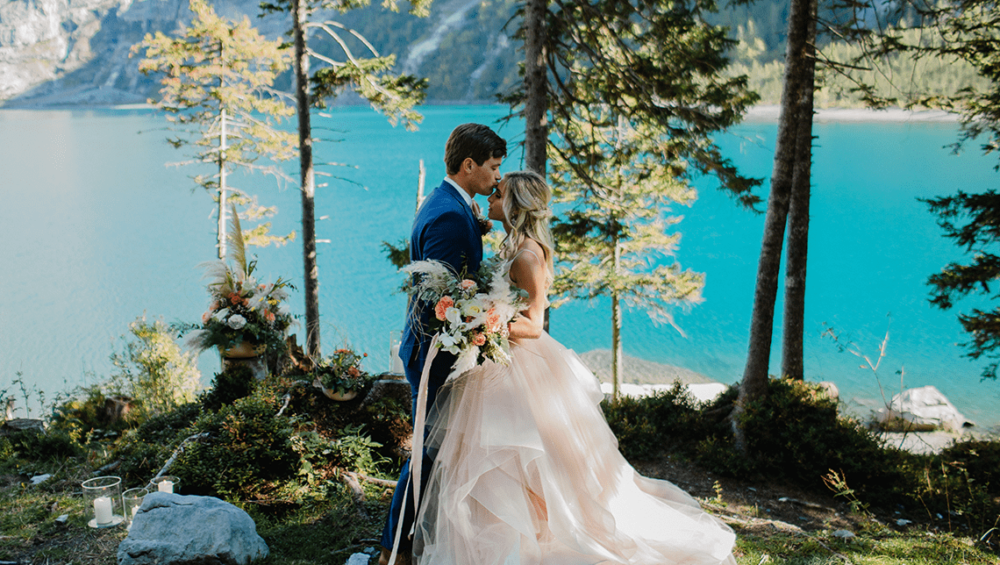
Securing captivating entertainment and stunning photography without overspending is a key element of a successful budget wedding. This section will guide you through creative and cost-effective strategies to ensure your special day is filled with joy and beautifully documented.
Budget-Friendly Wedding Entertainment Options
Choosing entertainment that resonates with your guests and your budget requires thoughtful planning. Consider alternatives to expensive bands or DJs that can still create a memorable atmosphere.
- Curated Playlists: Crafting your own wedding playlist can be incredibly personal and significantly reduce costs. Dedicate time to selecting songs that represent your relationship and appeal to your guests. Utilize streaming services and ensure you have a reliable sound system, perhaps borrowed or rented affordably.
- Local Musicians and Performers: Explore talented local artists, such as acoustic guitarists, string duos, or even student ensembles from nearby music schools. They often offer more competitive rates than established bands and can provide a unique, intimate ambiance.
- Interactive Guest Activities: Incorporate games or activities that encourage guest participation and serve as entertainment. This could include a photo booth with DIY props, lawn games for an outdoor reception, or a “late-night snack” station with a fun theme.
- DJ Services from Emerging Talent: Look for aspiring DJs who are building their portfolio. They may offer lower rates in exchange for the opportunity to perform at your wedding. Thoroughly vet their experience and ensure they have a good understanding of your music preferences.
Finding Talented Photographers at Reasonable Prices
Capturing your wedding memories doesn’t have to break the bank. Strategic searching and negotiation can lead you to talented photographers who offer excellent value.
- Research Emerging Photographers: Just like musicians, photographers who are new to the wedding industry or looking to expand their portfolio may offer more affordable packages. Review their work carefully to ensure their style aligns with your vision.
- Off-Peak Season and Weekday Weddings: Photographers, like venues, often have lower rates for weddings held during less popular times. Consider a Friday or Sunday wedding, or a date outside of peak wedding season.
- Limited Coverage Packages: Instead of a full-day package, opt for coverage during the most important parts of your day, such as the ceremony, key reception moments, and portraits. Many photographers offer hourly rates or customized packages.
- Local Photography Students or Enthusiasts: For a very tight budget, consider talented photography students from local colleges or passionate hobbyists with a strong portfolio. Clearly define expectations and contracts to avoid misunderstandings.
Evaluating Photography Packages and Key Considerations
Understanding what’s included in a photography package is crucial for making an informed decision and ensuring you get the best value for your investment.
When comparing photography packages, prioritize what truly matters to you. Is it the number of edited photos, the inclusion of an engagement session, or the rights to digital images?
A typical photography package might include:
- Hours of Coverage: The duration the photographer will be present on your wedding day.
- Number of Photographers: Often, a second shooter is included for a more comprehensive view of the event.
- Edited Digital Images: The number of final, retouched photos you will receive.
- Online Gallery: A private platform to view and share your photos with guests.
- Print Rights: Permission to print your photos at any lab of your choice.
- Engagement Session: A pre-wedding shoot that helps you get comfortable with the photographer and provides additional photos.
When reviewing packages, pay close attention to the photographer’s editing style, turnaround time for delivering photos, and their contract terms.
Leveraging Guest Contributions for Entertainment and Photo Sharing
Your guests can be a wonderful resource for both entertainment and capturing memories, turning a potential cost into a fun, collaborative effort.
- Guest-Created Playlists: Before the wedding, ask guests to submit their favorite songs or songs that remind them of you as a couple. Compile these into a collaborative playlist that can be played during cocktail hour or dinner.
- “Photo Scavenger Hunt” or Themed Photo Challenges: Provide guests with a list of specific photos or moments to capture throughout the day. This can be a fun way to encourage them to take candid shots and document different aspects of the wedding from their perspective.
- Designated Photo Sharing Platform: Utilize free or low-cost apps and websites that allow guests to upload their photos directly from their phones. This creates a collective album of your wedding day, capturing moments you might have missed.
- “Advice for the Couple” Station: Instead of a traditional guest book, set up a station where guests can write advice for your marriage. This serves as a form of entertainment and a cherished keepsake.
Budget-Friendly Stationery and Invitations
Your wedding stationery is the first glimpse your guests get of your special day, setting the tone and style. Fortunately, creating beautiful and informative invitations and save-the-dates doesn’t have to break the bank. With thoughtful planning and creative choices, you can achieve a sophisticated look that aligns with your budget.
Cost-Effective Options for Wedding Invitations and Save-the-Dates
Opting for budget-friendly stationery involves exploring various avenues, from smart design choices to alternative communication methods. The key is to prioritize what’s essential and find elegant solutions for the rest.To help you navigate these choices, consider the following cost-saving strategies:
- DIY Save-the-Dates: For save-the-dates, which are often less formal than the main invitation, consider designing and printing them yourself. This can significantly reduce costs compared to professionally designed and printed options.
- Digital Save-the-Dates: Embrace technology by sending digital save-the-dates. These can be sent via email or through dedicated wedding websites, saving on printing and postage altogether.
- Simpler Invitation Suites: Instead of elaborate multi-piece invitations, opt for a more streamlined design. A single card with all necessary information, perhaps with a belly band or ribbon for a touch of elegance, can be very effective and economical.
- Postcard Invitations: Consider using postcard-style invitations. These often require less paper and can sometimes be printed at a lower cost per unit.
- Standard Sizes and Shapes: Unusual sizes and shapes can increase printing and postage costs. Sticking to standard invitation sizes, like the common 5×7 inch, can help keep expenses down.
- Bundled Services: Some stationery providers offer packages that include invitations, save-the-dates, RSVPs, and thank-you cards. Comparing these bundled prices with individual item costs can reveal savings.
DIY Invitation Designs That Look Professional and Chic
Creating your own wedding invitations can be a rewarding and cost-effective endeavor, especially when aiming for a professional and chic aesthetic. The success of DIY invitations lies in thoughtful design, quality materials, and attention to detail.Here are some ideas for creating impressive DIY wedding invitations:
- Elegant Typography: Focus on beautiful fonts. A combination of a script font for your names and a clean, serif or sans-serif font for the details can create a sophisticated look. Many free or low-cost font options are available online.
- Minimalist Design: Embrace a clean and minimalist aesthetic. A well-designed layout with ample white space, a striking font, and perhaps a single, subtle graphic element can be incredibly chic and modern.
- Embellishments with Impact: Instead of expensive custom printing, use affordable embellishments like twine, ribbon, wax seals, or vellum overlays. These can add a luxurious feel without a high price tag. For example, a simple kraft paper invitation tied with twine and a sprig of dried lavender can evoke a rustic-chic vibe.
- Watercolor Touches: If you have a creative flair, consider adding hand-painted watercolor elements. Even simple washes of color or delicate floral motifs can elevate a plain card. You can scan these and print them professionally.
- Calligraphy Accents: Practice your hand at calligraphy for addressing envelopes or adding small decorative phrases. Even a few well-placed calligraphic elements can make a significant difference.
- High-Quality Paper Choice: Invest in good quality cardstock. A heavier weight paper (e.g., 100 lb cover stock) with a nice texture, like linen or felt, instantly makes your invitations feel more luxurious.
Benefits of Digital Invitations and RSVPs for Saving Money
The digital realm offers a wealth of opportunities for significant cost savings in wedding planning, and stationery is a prime area where this is evident. Moving towards digital solutions for invitations and RSVPs can dramatically reduce expenses and streamline the process.The advantages of embracing digital invitations and RSVPs include:
- Elimination of Printing Costs: This is the most obvious saving. You bypass the expense of paper, ink, and professional printing services, which can be substantial for traditional invitations.
- Reduced Postage Expenses: Sending invitations and receiving RSVPs electronically completely removes the need for postage stamps, which can add up quickly, especially for a large guest list.
- Environmental Friendliness: Opting for digital solutions significantly reduces paper waste, making your wedding a more sustainable choice.
- Instant Delivery and Tracking: Digital invitations are delivered immediately, ensuring your guests receive the information promptly. Many platforms also allow you to track who has opened your invitation and who has responded, simplifying guest management.
- Ease of Updates: If there are any last-minute changes to your wedding plans, such as a venue update or a time change, you can easily communicate these updates to your guests electronically without the cost and hassle of reprinting and re-mailing.
- Simplified RSVP Management: Digital RSVP systems, often integrated with wedding websites or dedicated platforms, allow guests to respond online. This eliminates the need for reply cards and pre-stamped envelopes, and collating responses becomes much simpler.
Printing Methods and Paper Choices That Impact Cost
The choices you make regarding printing methods and paper selection have a direct and significant impact on the overall cost of your wedding stationery. Understanding these options can help you make informed decisions that balance your budget with your desired aesthetic.Here’s a breakdown of how printing methods and paper choices influence cost:
Printing Methods
The method used to print your invitations affects both the look and the price.
- Digital Printing: This is the most common and cost-effective method for most stationery needs. It’s similar to high-quality inkjet printing and is ideal for full-color designs and photographs. It offers good detail and is generally the cheapest option for smaller print runs.
- Offset Printing: This is a traditional commercial printing technique that uses plates to transfer ink to paper. It’s known for its crisp, precise results and is often more cost-effective for very large print quantities (thousands of invitations). For smaller wedding orders, it can be more expensive than digital printing.
- Letterpress Printing: This is a luxurious, tactile printing method where text and images are pressed into the paper, creating an impression. It offers a very high-end feel but is significantly more expensive due to the custom plates and labor involved.
- Foil Stamping: This technique uses heat and pressure to apply metallic or colored foil to the paper. It adds a touch of glamour but also increases the cost considerably, as it requires custom dies.
- Thermography: This method creates a raised, glossy effect similar to engraving but at a lower cost. It’s a good option for achieving a more formal look without the expense of engraving.
Paper Choices
The type and weight of paper you select play a crucial role in both the perceived quality and the final price of your stationery.
- Paper Weight (Cover Stock vs. Text Weight): Invitation cards are typically printed on cover stock, which is much thicker and more durable than text weight paper used for inserts or envelopes. Heavier cover stock (e.g., 100 lb or 110 lb) feels more substantial and luxurious but costs more than lighter weight cover stock.
- Paper Finish:
- Smooth: A very common and often more affordable option, offering a clean, modern look.
- Linen: Features a subtle woven texture that adds a touch of elegance and sophistication.
- Felt: Has a soft, slightly textured surface that provides a luxurious feel.
- Cotton: Often the most expensive option, cotton paper is very durable, has a luxurious texture, and is highly regarded for its quality and eco-friendliness.
- Recycled Paper: Opting for recycled paper can sometimes be a cost-effective choice and is an environmentally friendly option. However, the quality and texture can vary, so it’s important to see samples.
- Specialty Papers: Papers with metallic sheens, glitter, or unique textures will invariably be more expensive than standard options.
The combination of digital printing on a high-quality, textured paper like linen or felt, with a minimalist design and perhaps a simple ribbon or twine embellishment, can offer a sophisticated and budget-friendly stationery suite.
Managing the Guest List for Budget Impact
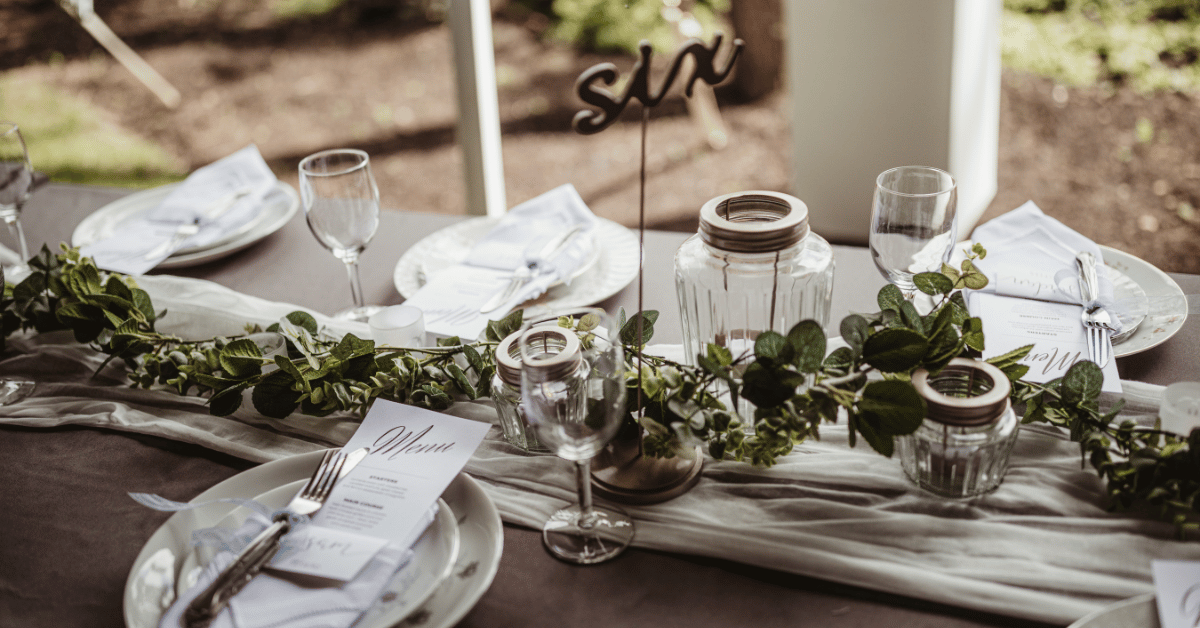
The guest list is one of the most significant drivers of wedding costs. Every guest invited represents a cost associated with catering, invitations, favors, and potentially venue size. Thoughtful management of your guest list is therefore a crucial step in decorating your wedding on a budget. By strategically curating who you invite, you can significantly reduce overall expenses without compromising the joy and intimacy of your special day.
Guest List Size and Overall Wedding Costs
The number of guests directly influences a multitude of expenses. For instance, catering is often priced per person, meaning a larger guest list translates to a proportionally higher food and beverage bill. Similarly, the cost of invitations, postage, stationery, and even the size of the venue required to comfortably accommodate everyone are all tied to the guest count. Even smaller details like favors, table settings, and wedding cake servings can accumulate costs based on the number of attendees.
| Cost Category | Impact of Guest Count |
|---|---|
| Catering (per person) | Directly proportional increase in cost. |
| Invitations & Postage | Cost increases with the number of households invited. |
| Venue Rental | Larger venues accommodating more guests are typically more expensive. |
| Favors | Cost increases directly with the number of guests. |
| Table Linens & Centerpieces | More tables for more guests mean higher rental and decor costs. |
Techniques for Thoughtful Guest List Curation
Creating a guest list that aligns with your budget requires careful consideration and sometimes difficult decisions. Establishing clear criteria for who to invite can help guide this process and ensure fairness. Many couples find it beneficial to categorize potential guests to aid in prioritization.Here are some effective techniques for curating your guest list:
- Establish a “A-List” and “B-List”: Create an initial list of must-have guests. If your budget allows after this, you can then consider a “B-List” of guests you would like to invite if space and budget permit.
- The “Plus-One” Policy: Decide on a consistent policy for plus-ones. Generally, offering plus-ones to married, engaged, or long-term committed couples is standard. For single guests, consider if they have a regular partner or if you have met them. Limiting plus-ones can significantly reduce numbers.
- Children at the Wedding: Determine if your wedding will be adults-only or if children are welcome. While children can add to the joy, they also increase catering and seating costs. If opting for an adults-only event, it’s polite to communicate this clearly on the invitation or wedding website.
- Work Colleagues and Distant Relatives: Be discerning about inviting entire departments or distant relatives you rarely see. Often, inviting a few close work friends or immediate family members is sufficient.
- The “One-Year Rule”: A common guideline is to only invite people you have both spoken to or seen in the past year. This can help filter out acquaintances you may feel obligated to invite but don’t have a strong connection with.
Social Considerations and Etiquette in Managing Guest Numbers
Managing guest numbers can be a sensitive topic, as it involves relationships with family and friends. It’s important to approach this with empathy and clarity. Often, parents of the couple may have their own guest lists, and open communication is key to aligning expectations and budgets.It is generally considered polite to:
- Be Consistent: Apply your guest list rules (e.g., plus-ones, children) consistently to all guests to avoid perceived favoritism.
- Avoid “Save the Dates” for B-List Guests: Only send save-the-dates to your primary guest list. If you end up inviting B-list guests, send their invitations after the initial RSVP deadline for the A-list.
- Respect Your Partner’s Decisions: Ensure both partners are in agreement on the guest list and the rules you establish.
Communicating Guest List Decisions with Family and Friends
Open and honest communication is vital when navigating the guest list with family and friends. It’s best to have these conversations early in the planning process.Here’s how to approach these discussions:
- Discuss with Parents First: Before finalizing, have a conversation with both sets of parents about their expectations for guest numbers and involve them in the initial list creation. Clearly explain your budget constraints and how guest numbers directly impact them.
- Explain the Budget Constraints: When discussing with parents or close family members who may have differing expectations, frame the conversation around your budget. You can say something like, “We’ve had to make some tough decisions about our guest list due to our budget. We want to ensure we can provide a wonderful experience for everyone we invite.”
- Utilize Your Wedding Website: A wedding website is an excellent tool for communicating policies regarding plus-ones, children, and dress code. This allows for a consistent message to all guests.
- Respond to Inquiries Gracefully: If someone inquires about why they weren’t invited, respond with kindness and reiterate your budget limitations or the intimate nature of the wedding you envision. Avoid making excuses or over-explaining. A simple, “We’re having a very intimate wedding due to budget, and we’re so sorry we can’t accommodate everyone we’d love to celebrate with,” can suffice.
Utilizing Sales, Discounts, and Freebies
Maximizing your wedding budget involves being strategic about where and when you spend. Smart shoppers know that timing and resourcefulness can lead to significant savings. This section will explore how to leverage sales, discounts, and free resources to make your dream wedding a reality without breaking the bank.
Seasonal Sales for Wedding Purchases
Timing your wedding-related purchases with seasonal sales can yield substantial discounts. Many retailers offer promotions that align with major shopping periods, which can be opportune moments to acquire items for your wedding.
Key shopping periods and their potential benefits include:
- Post-Holiday Sales (e.g., after Christmas, New Year’s): Retailers often clear out inventory, offering deep discounts on home goods, decor items, and even some fashion pieces that can be repurposed for wedding decorations or favors.
- Spring/Summer Clearance: This is an excellent time to find deals on outdoor decor, linens, and floral supplies as stores prepare for fall collections.
- Black Friday and Cyber Monday: While often associated with electronics, these massive sale events can include significant discounts on wedding attire, jewelry, photography packages, and even honeymoon travel deals.
- End-of-Season Sales for Bridal Boutiques: Sample sales or end-of-season clearances at bridal shops can offer designer dresses at a fraction of their original price.
Vendor Discounts and Package Deals
Many wedding vendors offer incentives to attract clients or streamline their services. Exploring these options can lead to considerable savings.
Consider these vendor discount strategies:
- Bundle Packages: Many venues offer packages that include catering, decor, or even basic entertainment. Similarly, photographers might offer engagement shoots or album discounts when booked with wedding photography services.
- Off-Peak Discounts: Venues and vendors often provide lower rates for weddings held on weekdays, during the off-season (typically winter months), or at less popular times of the day.
- Referral Bonuses: Ask vendors if they offer any discounts for referrals. If you know someone who has recently used a vendor you’re considering, inquire about potential referral incentives.
- Negotiate Based on Services: Don’t hesitate to discuss your budget with vendors. Sometimes, they can tailor their packages to fit your needs and price point, perhaps by reducing the number of hours of service or simplifying certain elements.
Loyalty Programs and Credit Card Rewards
Your existing financial relationships can be a valuable source of savings for wedding expenses.
Leverage your rewards:
- Credit Card Points and Miles: Many credit cards offer generous rewards programs. Use your card for wedding-related purchases (within your budget, of course) to accumulate points or miles that can be redeemed for flights, hotel stays for a honeymoon, or even statement credits to offset costs.
- Retailer Loyalty Programs: Sign up for loyalty programs at stores where you anticipate making significant purchases, such as home goods stores for decor or department stores for attire. Accumulate points for future discounts or exclusive member offers.
Finding Free or Low-Cost Resources
The digital age and community spirit offer numerous avenues for acquiring wedding necessities without significant expenditure.
Explore these avenues for free and low-cost resources:
- Online Marketplaces and Swap Groups: Websites like Facebook Marketplace, Craigslist, or dedicated wedding resale groups are treasure troves for pre-owned wedding decor, attire, and even DIY supplies. Couples often sell items they’ve used once at a steep discount.
- Borrowing from Friends and Family: Many items, such as vases, cake stands, signage, or even certain pieces of furniture, can be borrowed from friends and family who have recently hosted events.
- DIY Blogs and Pinterest: These platforms are brimming with creative ideas for DIY decor, favors, and stationery. While they require your time and effort, they can significantly reduce material costs. Look for tutorials that utilize inexpensive or readily available materials.
- Community Resources: Check local community centers or libraries for free event planning workshops or resources. Sometimes, local artisans or community gardens might offer affordable flower options or even donate surplus blooms for decorations.
- Free Digital Tools: Utilize free online design tools like Canva for creating digital save-the-dates, wedding websites, or even simple signage.
Summary
As we conclude this exploration of decorating your wedding on a budget, it’s clear that elegance and personal expression are well within reach, regardless of financial limitations. By thoughtfully prioritizing, creatively sourcing, and strategically planning each element, you can craft a wedding day that is not only visually captivating but also deeply meaningful and reflective of your unique love story.
May these insights empower you to create a celebration that is as beautiful as it is affordable.