Embarking on wedding planning often brings up the significant question of financial contributions. Understanding how to navigate these discussions, from traditional expectations to modern realities, is key to a smooth and joyful experience for everyone involved.
This guide delves into the nuances of wedding finances, exploring historical norms, contemporary approaches, and the importance of open communication. We will equip you with practical strategies to categorize expenses, foster collaboration, and manage expectations, ensuring your special day is celebrated without financial stress.
Understanding Traditional Wedding Expense Distribution
The financial responsibilities for a wedding have long been a subject of deeply ingrained customs and cultural expectations. Historically, these traditions offered a clear framework for how wedding costs were allocated, often reflecting societal structures and family roles. Understanding these historical norms provides valuable context, even as modern weddings evolve.These traditional distributions were not arbitrary; they often signified the joining of two families and the beginning of a new household.
The specific breakdown varied significantly across cultures, each with its own set of rituals and financial precedents.
Historical and Cultural Norms for Wedding Expense Allocation
In many Western cultures, particularly in the past, a prominent tradition dictated that the bride’s family would bear the majority of the wedding expenses. This was often seen as a reflection of the bride’s upbringing and a contribution to her new life. Conversely, the groom’s family might contribute to specific aspects, such as the rehearsal dinner or the honeymoon.In some Asian cultures, the financial responsibilities can be more complex, with expectations varying greatly by region and specific customs.
For instance, in some Indian traditions, the bride’s family might cover the wedding ceremony and reception, while the groom’s family might be responsible for the wedding jewelry and a portion of the honeymoon expenses. In other traditions, there might be a more equitable split or specific items allocated to each side based on elaborate pre-wedding ceremonies.
Typical Contributions by Family and Couple in Various Cultural Contexts
To illustrate these variations, consider the following common examples:
- Bride’s Family: Historically, this often included the wedding reception venue, catering, wedding attire for the bride, invitations, and the wedding cake.
- Groom’s Family: Common contributions included the engagement ring, the rehearsal dinner, the honeymoon, and sometimes a portion of the ceremony costs or flowers.
- The Couple: In more recent historical contexts, couples often contributed to smaller details or expenses not covered by their families, or saved for them as a new unit.
It is important to note that these are broad generalizations, and specific cultural practices within these regions can differ. For example, in some Jewish traditions, the groom’s family traditionally paid for the bride’s wedding attire, while the bride’s family covered the wedding feast.
Common Examples of Expenses Traditionally Covered by Each Party
Here’s a more detailed breakdown of common expense allocations:
| Party | Traditionally Covered Expenses |
|---|---|
| Bride’s Family | Wedding Reception (venue, catering, music) |
| Bride’s Family | Wedding Invitations and Stationery |
| Bride’s Family | Wedding Cake |
| Bride’s Family | Bridal Attire and Accessories |
| Groom’s Family | Engagement Ring |
| Groom’s Family | Rehearsal Dinner |
| Groom’s Family | Honeymoon Expenses |
| Groom’s Family | Ceremony Musicians or Officiant Fees (sometimes) |
| Couple | Personal wedding favors |
| Couple | Small décor items or DIY elements |
Comparison of Traditional Expectations with Modern Wedding Financial Realities
The landscape of wedding finances has shifted considerably. Modern weddings often see a more blended approach, influenced by several factors. Firstly, many couples are marrying later in life, having established their own careers and financial independence. This often leads to them contributing a larger share, or even the entirety, of the wedding costs.Secondly, economic realities and changing societal views on marriage have altered traditional dynamics.
It is now common for both sets of parents to contribute what they are able and willing to, regardless of gender. Some families may offer a lump sum, while others might cover specific items that are important to them.The concept of the “traditional” wedding expense distribution is becoming less of a rigid rule and more of a guideline or a starting point for discussion.
Many couples find themselves navigating a personalized financial plan that reflects their unique circumstances, family dynamics, and personal priorities.
The evolution of wedding finances mirrors societal shifts, emphasizing partnership and open communication over strict adherence to historical norms.
Modern Wedding Financial Realities and Shifting Norms
The landscape of wedding finances has undergone a significant transformation, moving away from rigid traditional expectations towards more flexible and personalized approaches. Today’s couples often navigate these decisions with a blend of personal financial contributions, evolving family dynamics, and a desire for autonomy in planning their special day. This shift reflects broader societal changes in financial independence and family structures.Several key factors are driving these modern financial realities.
The increased financial independence of couples, often due to pursuing higher education and establishing careers before marriage, means they are more equipped and willing to contribute substantially to their wedding expenses. Furthermore, changing family structures, including second marriages, blended families, and same-sex unions, necessitate a more adaptable framework for discussing and allocating costs, moving beyond the historical precedent of parental obligation.
Increased Couple Financial Contribution
Contemporary couples are increasingly taking the lead in financing their weddings, a departure from previous generations where parental contributions were often the primary source of funding. This shift is a direct result of couples building their own financial stability and desiring greater control over their wedding vision and budget. They are actively saving, investing, and utilizing their personal funds to cover a larger portion, if not all, of their wedding expenses.This growing trend can be observed in various ways:
- Couples are setting up dedicated wedding savings accounts long before engagement.
- They are prioritizing wedding elements that align with their values and budget, often making compromises on less important aspects to afford what matters most.
- Many couples are choosing to elope or have smaller, more intimate ceremonies to manage costs more effectively, a decision driven by their financial capacity and personal preferences.
- The use of personal loans or credit for wedding expenses, while requiring careful consideration, also highlights a willingness for couples to invest in their celebration.
Impact of Blended and Interfaith Families on Expense Sharing
The complexities introduced by blended and interfaith families often necessitate a more collaborative and open dialogue about wedding finances. Unlike more traditional family structures where roles might be pre-defined, these modern family units require careful negotiation and mutual understanding to ensure all parties feel respected and involved. This often leads to a more equitable distribution of costs, reflecting the diverse contributions and relationships involved.In such scenarios, expense sharing might be approached through:
- Open Communication and Negotiation: Families actively discuss their financial capabilities and willingness to contribute, often leading to a shared responsibility model.
- Contribution Based on Relationship: The extent of financial contribution might be influenced by the closeness of the relationship between the contributing family and the couple.
- Dividing Costs by Event: Sometimes, different families might take responsibility for specific wedding events, such as one family hosting and funding the rehearsal dinner while the other contributes to the reception.
- “Potluck” Style Contributions: In some cases, contributions can be less formal, with families offering to cover specific vendors or services they have connections with or a particular interest in.
This adaptive approach ensures that the wedding celebration is a reflection of the union of two individuals and their respective families, fostering goodwill and shared joy without undue financial strain.
Open Communication and Setting Expectations
Embarking on wedding planning is an exciting journey, but it’s also a significant financial undertaking. To navigate this path smoothly and avoid potential misunderstandings or stress, open and honest communication about finances between partners is paramount. This forms the bedrock upon which all subsequent financial decisions will be made, ensuring both individuals feel heard, respected, and aligned.Beyond the couple, engaging with parents about financial contributions requires a structured and sensitive approach.
Early conversations can prevent assumptions and allow everyone to contribute comfortably within their means and comfort levels. This proactive dialogue fosters a collaborative spirit, turning a potentially awkward topic into an opportunity for shared joy and support in celebrating your union.
Initiating Partner Financial Discussions
Before involving families, it’s crucial for the couple to have a frank discussion about their individual financial situations, expectations, and comfort levels with wedding expenses. This conversation should be approached with empathy and a shared goal of creating a wedding that reflects your love and commitment, rather than a source of financial strain.
To facilitate this essential dialogue, consider the following framework:
- Shared Vision: Discuss your ideal wedding day and the elements that are most important to each of you. This helps prioritize spending and identify potential areas of compromise.
- Current Financial Standing: Honestly assess your individual savings, debts, and ongoing financial commitments. Understanding each other’s financial realities is key to setting realistic budgets.
- Contribution Preferences: Explore how each partner envisions contributing to the wedding expenses. This could be through savings, ongoing contributions, or a combination thereof.
- Budget Setting: Together, establish a preliminary wedding budget based on your shared vision and financial capabilities. This will serve as a guide for all subsequent planning.
- Contingency Planning: Discuss how you will handle unexpected expenses or potential budget overruns. Having a plan in place can alleviate stress if these situations arise.
Framework for Discussing Contributions with Parents
Engaging parents in the financial conversation requires tact and preparation. The goal is to respectfully inquire about their potential willingness and capacity to contribute, while also being prepared to share your own plans. This conversation should ideally happen after the couple has established their own budget and discussed their expectations.
A structured approach to initiating these discussions with parents can be highly effective:
- Choose the Right Time and Place: Select a relaxed setting where everyone can speak openly without feeling rushed or pressured. A quiet dinner or a casual visit can be ideal.
- Express Gratitude: Begin by expressing your appreciation for their support and love throughout your lives, setting a positive and respectful tone.
- Share Your Vision: Briefly Artikel your wedding plans and the overall vision you and your partner have for the celebration.
- Present Your Budget: Share the budget you and your partner have developed, demonstrating that you have put considerable thought into the financial aspects.
- Gently Inquire: Frame your questions around their potential willingness and capacity to contribute, rather than making demands. For example, “We’ve been discussing how to best fund the wedding, and we were wondering if you had any thoughts or were considering contributing in any way?”
- Be Prepared for Various Responses: Understand that parents may offer financial help, non-financial support (like planning or hosting certain events), or may not be able to contribute financially. All responses should be met with understanding and gratitude.
Key Questions for Family Financial Discussions
When discussing wedding expenses with family members, having a list of prepared questions can help ensure all important aspects are covered. These questions are designed to be open-ended and encourage a collaborative discussion, rather than a one-sided interrogation.
Here are some key questions to consider addressing:
- What aspects of the wedding are most important to you, and do you have any specific elements you would be interested in contributing towards?
- Are there any particular traditions or expectations you have regarding wedding expenses that we should be aware of?
- What is your comfort level and capacity for financial contribution towards the wedding?
- Are there any specific vendors or services you might be interested in helping to fund, such as the venue, catering, or entertainment?
- Beyond financial contributions, are there other ways you envision yourselves supporting us during the planning process or on the wedding day?
- What are your thoughts on how we might collectively approach the overall wedding budget?
Navigating Differing Financial Perspectives
It is common for couples and their families to have varying perspectives on wedding finances, influenced by upbringing, financial situations, and cultural norms. Successfully navigating these differences requires patience, empathy, and a willingness to find common ground. The core principle is to ensure that all contributions are made willingly and without undue pressure.
Strategies for navigating these differing perspectives include:
- Active Listening: Make a conscious effort to understand the other party’s viewpoint, even if it differs from your own. Acknowledge their concerns and financial realities.
- Compromise and Prioritization: Recognize that not every desire can be met. Work together to prioritize the most important elements of the wedding and allocate funds accordingly. This might involve adjusting the guest list, choosing a less expensive venue, or opting for DIY elements.
- Focus on Shared Goals: Remind everyone involved that the ultimate goal is to celebrate the couple’s union in a meaningful and joyous way. Frame financial discussions around achieving this shared objective.
- Transparency and Honesty: Be upfront about your own financial contributions and limitations. This honesty can encourage others to be equally transparent.
- Seeking External Advice: If significant disagreements arise, consider seeking advice from a neutral third party, such as a wedding planner or a trusted family friend who has experience with wedding finances.
- Documenting Agreements: Once decisions are made, it can be helpful to document them in a clear and concise manner. This can prevent future misunderstandings and serve as a reference point. For example, a simple spreadsheet detailing who is contributing to which aspect of the wedding can be invaluable.
“Financial discussions during wedding planning should be viewed as an opportunity for growth and shared responsibility, rather than a source of conflict.”
Categorizing Wedding Expenses for Allocation

Understanding where wedding expenses typically fall is a crucial step in creating a fair and manageable financial plan. By breaking down the costs into distinct categories, couples and their families can gain clarity on who might traditionally contribute to what, and how these contributions can be adapted to suit modern circumstances. This organized approach fosters transparency and helps prevent financial surprises down the line.The following sections Artikel common wedding expenses and provide a framework for allocating these costs, acknowledging both historical norms and contemporary flexibility.
This categorization aims to serve as a starting point for discussions, encouraging open dialogue about financial capabilities and preferences.
Common Wedding Expenses and Potential Allocations
To facilitate a clear understanding of financial responsibilities, wedding expenses can be broadly categorized. Below is a comprehensive list of common expenditures, along with potential payers based on traditional and modern approaches. This table is designed to be a flexible guide, adaptable to individual family dynamics and the couple’s own financial input.
| Expense Category | Traditional Bride’s Family | Traditional Groom’s Family | Couple’s Contribution | Modern Flexibility |
|---|---|---|---|---|
| Venue Rental | Often Contributed | Sometimes Contributed | Increasingly Common | Negotiable; depends on overall budget and family traditions. |
| Catering | Often Contributed | Sometimes Contributed | Increasingly Common | Can be split; a significant portion of the budget, often shared. |
| Attire (Bride) | Typically Covered | Rarely Contributed | Sometimes Covered | Bride may purchase her own; parents may gift or contribute. |
| Attire (Groom) | Rarely Contributed | Typically Covered | Sometimes Covered | Groom may purchase his own; parents may gift or contribute. |
| Photography/Videography | Sometimes Contributed | Sometimes Contributed | Increasingly Common | Often a shared expense or covered by the couple. |
| Music/Entertainment | Sometimes Contributed | Sometimes Contributed | Increasingly Common | Can be split, or the couple may take the lead. |
| Invitations/Stationery | Often Contributed | Rarely Contributed | Sometimes Covered | Typically handled by the bride’s family or the couple. |
| Flowers | Often Contributed | Rarely Contributed | Sometimes Covered | Can be a shared expense, with the bride’s family often taking the lead. |
| Honeymoon | Rarely Contributed | Rarely Contributed | Typically Covered | Most commonly funded by the couple, sometimes with gift contributions. |
Customizing Expense Allocation
The provided table serves as a foundational guide, but the true art of wedding finance lies in its customization. Individual family circumstances, financial capacities, and personal generosity play a significant role in shaping how expenses are ultimately divided. It is essential to approach this process with empathy and an open mind, recognizing that traditions are not always applicable or desired in every situation.For instance, while traditionally the bride’s parents might cover a larger portion of the wedding, a modern scenario might see both sets of parents contributing equally, or the couple themselves taking on a substantial portion of the costs if they have the financial means and desire to do so.
Some families may wish to contribute a lump sum towards the wedding, allowing the couple to allocate it as they see fit, offering maximum flexibility. Conversely, a family might earmark their contribution for a specific element, such as the rehearsal dinner or a particular aspect of the reception décor.The “Modern Flexibility” column highlights that almost any expense can be negotiated.
For example, if the groom’s family has a strong desire to contribute to the venue but the bride’s family has already committed to it, a compromise might be for the groom’s family to cover a portion of the catering instead. Similarly, if the couple is financially stable, they may choose to cover all their attire and the honeymoon, allowing other family contributions to be directed towards larger shared expenses like the venue or catering.
The key is open and honest communication with all parties involved to ensure everyone feels comfortable and valued in their contribution.
Alternative and Collaborative Financial Approaches

Beyond the traditional breakdown of wedding expenses, couples and their families are increasingly exploring more flexible and collaborative ways to finance their special day. These modern approaches foster shared responsibility and can lead to a more equitable distribution of costs, aligning with the evolving dynamics of wedding planning.Exploring these alternative models allows for a more personalized financial strategy that can better suit the unique circumstances and relationships involved.
It shifts the focus from rigid expectations to open dialogue and mutual agreement, making the financial planning process less stressful and more inclusive.
Per-Guest Contribution Models
A per-guest contribution model can be an effective way to distribute costs when multiple parties are contributing financially. This method ensures that each contributing entity understands their financial obligation based on the anticipated number of guests they are hosting or are associated with.This approach can be particularly useful when extended family members or even close friends wish to contribute but prefer a clear, quantifiable way to do so.
It removes ambiguity and allows for straightforward budgeting.
- Defining the “Guest Unit”: Clearly establish what constitutes a “guest unit” for the purpose of calculation. This might be a direct invitation, a family unit, or a specific group.
- Calculating Per-Guest Cost: Determine the average cost per guest for the wedding, encompassing venue, catering, drinks, and any other per-person expenses.
- Assigning Contributions: Allocate the per-guest cost to the contributing parties based on the number of guests they are responsible for. For example, if the cost per guest is $150 and a contributing family is bringing 20 guests, their contribution would be $3,000.
- Flexibility for Undefined Guest Counts: For guests whose numbers are not definitively known by a specific contributor, a pre-agreed percentage or a capped amount can be established.
Shared Budget and Contribution Pot
The concept of a “contribution pot” involves all parties involved in financing the wedding pooling their financial resources into a single, unified budget. This shared fund is then managed collaboratively to cover all wedding-related expenses.This method promotes transparency and collective decision-making. It encourages open discussions about priorities and allows for more dynamic allocation of funds as plans evolve.
Managing a Shared Wedding Budget Effectively
Successful management of a shared wedding budget hinges on clear communication, agreed-upon processes, and consistent tracking. Establishing a central point of contact or a joint decision-making committee can streamline the process and prevent misunderstandings.
- Establish a Joint Account: If feasible and comfortable for all parties, setting up a joint bank account specifically for wedding expenses can simplify tracking and payments.
- Utilize Budgeting Software or Spreadsheets: Employing digital tools allows for real-time updates, expense categorization, and easy sharing of financial information among contributors.
- Regular Financial Check-ins: Schedule regular meetings or calls to review the budget, discuss upcoming expenses, and make joint decisions on spending.
- Define Spending Limits and Approval Processes: Agree on thresholds for individual expenses that require unanimous approval and establish a clear process for authorizing payments.
- Maintain a Contingency Fund: Allocate a portion of the shared budget for unforeseen expenses, typically 10-15% of the total budget.
Non-Monetary Contributions and Their Valuation
In many cases, families may offer valuable contributions that are not in the form of cash. These can range from providing the wedding venue to offering DIY services or lending personal assets. It is important to acknowledge and account for these non-monetary contributions to ensure a fair representation of everyone’s input.Valuing these contributions helps to create a complete picture of the financial support received, even if it doesn’t involve direct monetary transactions.
This can be particularly meaningful for families who have specific skills or resources to offer.
| Type of Non-Monetary Contribution | Method of Valuation | Example |
|---|---|---|
| Venue or Property Use | Estimate rental value of a comparable venue or property for the duration of the event. | A family offers their large garden for the ceremony and reception. The estimated rental cost for a similar outdoor venue might be $5,000. |
| DIY Services (e.g., Photography, Flowers, Cake Baking) | Research the average cost of professional services for similar quality and scope. | A bride’s aunt, a professional baker, offers to make the wedding cake. The cost of a custom cake of that size and design could be $800. |
| Lending of Assets (e.g., Vehicles, Decor) | Determine the cost of renting or purchasing similar items. | A family lends their vintage car for the wedding party transportation. The rental cost for a similar vehicle might be $500 for the day. |
| Accommodation for Guests | Calculate the cost of hotel stays for guests who would otherwise need to book accommodation. | Parents offer rooms in their home for out-of-town bridesmaids and groomsmen, saving them an estimated $1,000 in hotel fees. |
By transparently valuing these non-monetary contributions, couples can ensure that all forms of support are recognized and appreciated, fostering a sense of shared accomplishment and reducing potential financial pressure.
Handling Disagreements and Finding Compromise
Navigating wedding finances can be a sensitive area, and it’s not uncommon for differing opinions and expectations to arise, especially when multiple parties are involved. Open and honest communication is paramount, but when disagreements surface, having a framework for addressing them is crucial to maintaining positive relationships and a joyful wedding planning experience. This section provides strategies for constructively tackling financial conflicts and finding solutions that work for everyone.When financial expectations clash, the goal is to move from a position of opposition to one of collaboration.
This involves active listening, empathy, and a willingness to explore alternative solutions. It’s about finding a middle ground where everyone feels heard and respected, even if the outcome isn’t exactly what each individual initially envisioned.
Strategies for Addressing Differing Opinions
Successfully managing disagreements about wedding expenses requires a proactive and empathetic approach. It’s about creating an environment where concerns can be voiced without judgment and where solutions are sought collaboratively.
- Schedule Dedicated Discussions: Set aside specific times to talk about finances, rather than bringing them up during casual conversations or other planning activities. This signals the importance of the topic and allows for focused attention.
- Active Listening and Validation: When someone expresses a concern or opinion, listen intently without interrupting. Acknowledge their perspective by saying things like, “I understand why you feel that way,” or “I hear your concern about X.” This doesn’t mean you have to agree, but it shows respect.
- Focus on Shared Goals: Remind everyone involved of the ultimate objective: a beautiful and meaningful celebration of your union. Frame financial decisions within the context of achieving this shared goal within a comfortable budget.
- Identify Underlying Needs: Sometimes, disagreements stem from more than just money. One person might be concerned about appearing ungenerous, while another might be worried about setting a precedent for future financial expectations. Understanding these underlying needs can help in finding more nuanced solutions.
- Seek Neutral Ground: If discussions become too heated or circular, consider involving a neutral third party, such as a close friend or family member who is not directly involved in the financial contributions, to help mediate.
Negotiating and Reaching Compromises
Compromise is the art of finding a mutually agreeable solution when initial desires differ. In wedding finances, this often involves a give-and-take approach, where each party may need to adjust their expectations to accommodate others.
- Propose Trade-offs: If one party is strongly advocating for a particular expense, see if they are willing to contribute more to it in exchange for a reduction or elimination of another expense they are less concerned about.
- Phased Contributions: For larger expenses, consider if they can be broken down into smaller, more manageable contributions over time, making it easier for different parties to commit.
- Prioritize and Rank: Together, create a prioritized list of wedding elements. This helps to identify which expenses are non-negotiable for each party and where there might be more flexibility.
- Research Alternatives: If a desired item or service is proving to be a point of contention due to cost, collaboratively research more affordable alternatives that still meet a similar need or aesthetic.
- Document Agreements: Once a compromise is reached, it’s beneficial to document the agreement, even if informally. This can prevent misunderstandings later on and serve as a reference point.
Common Points of Contention and Solutions
Certain wedding expenses frequently become focal points for financial disagreements. Understanding these common areas can help in anticipating and addressing them more effectively.
Venue and Catering
This is often the largest single expense.
- Disagreement: One family may want a lavish, high-end venue and catering, while the other prefers a more modest option.
- Solution: Explore venues that offer different package options or allow for outside catering. Consider a weekday or off-season wedding for potential cost savings. If one side is particularly set on a specific venue, they might offer to cover a larger portion of its cost.
Guest List Size
The number of guests directly impacts catering and venue costs.
- Disagreement: One set of parents may want to invite a large extended family, while the couple or the other parents prefer a more intimate gathering.
- Solution: Discuss the implications of each additional guest on the budget. Consider a tiered guest list approach, where certain guests are invited to the ceremony and cocktail hour, and a smaller group is invited to the reception.
Attire and Wedding Party Expenses
This can include the wedding dress, suits, bridesmaid dresses, and gifts.
- Disagreement: Discrepancies in expectations for the cost or style of attire, or who pays for bridesmaid/groomsmen attire or gifts.
- Solution: The couple can set a budget for their own attire and communicate it. For the wedding party, clear communication about who is expected to pay for what (e.g., dresses, suits, accessories) is essential early on. Consider offering options for wedding party attire that cater to different budgets.
Entertainment and Photography
These elements can vary significantly in cost.
- Disagreement: Differing opinions on the importance or budget for a live band versus a DJ, or the number of hours for a photographer.
- Solution: Research different vendors and their packages. If one party strongly values professional photography, they might offer to contribute more to that specific vendor. Discuss the impact of a live band versus a DJ on the overall guest experience and budget.
Honeymoon
While not always a shared expense, expectations can still arise.
- Disagreement: One family might expect to contribute to or fund the honeymoon, or have strong opinions on its destination or duration.
- Solution: Clearly define whether the honeymoon is a couple’s expense or if contributions are expected. If contributions are offered, set clear parameters on the amount and purpose.
Phrases for Discussing Sensitive Financial Topics with Family
Approaching conversations about money requires tact and consideration. Using carefully chosen phrases can help to convey your needs and concerns respectfully, fostering understanding and cooperation.
“We’re so excited to plan our wedding, and we want to make sure we’re all on the same page financially. Could we set aside some time to discuss how we envision contributing?”
“We’ve been looking at some initial costs, and we wanted to share our thoughts and hear your perspectives on how we might divide some of these expenses.”
“We truly appreciate any support you’re able to offer. To help us budget effectively, could we talk about what specific areas you might be comfortable contributing to?”
“Our priority is to have a beautiful celebration that reflects our love. We’re open to exploring different options to make that happen within everyone’s comfort level.”
“I understand that [specific expense] is important to you. How might we find a way to incorporate that while also managing our overall budget?”
“We’ve done some research, and we found that [alternative option] could be a great way to achieve a similar result for less. What are your thoughts on that?”
“We value your input greatly. To help us make decisions that work for everyone, could you share your thoughts on how you see these costs being managed?”
“We want to be transparent about our budget. We’ve allocated X amount for Y, and we’d love to discuss how other contributions might fit into that.”
“It’s important to us that everyone feels comfortable with the financial decisions we make. Let’s talk through each item and see where we can find common ground.”
Documenting Financial Agreements

While open communication is the cornerstone of managing wedding finances, a written record provides an invaluable layer of clarity and accountability. This ensures that both partners and contributing family members are on the same page regarding financial commitments and actual spending. Documenting these agreements helps prevent misunderstandings and provides a reference point should any questions arise.Creating a structured document, whether a simple spreadsheet or a more formal agreement, serves as a central repository for all financial details related to the wedding.
This practice fosters transparency, allowing everyone involved to see how funds are being allocated and where contributions are being made. It transforms abstract discussions into concrete figures, making the financial aspect of wedding planning more manageable and less stressful.
Benefits of a Written Agreement or Spreadsheet
A written agreement or a well-organized spreadsheet offers significant advantages in managing wedding expenses. It transforms potential ambiguities into clear, actionable information, providing a solid foundation for financial decision-making throughout the planning process and beyond. This systematic approach ensures that all parties are aware of their financial responsibilities and the overall budget.
- Clarity and Precision: A written document eliminates guesswork by clearly outlining who is responsible for which expenses and how much is expected.
- Accountability: It creates a traceable record of all transactions, making it easier to hold individuals accountable for their agreed-upon contributions.
- Budget Management: Tracking actual costs against initial estimates allows for better budget control and helps identify areas where adjustments might be needed.
- Conflict Prevention: By having a documented agreement, potential disagreements over who owes what can be significantly reduced or resolved more easily.
- Historical Record: This document can serve as a valuable reference for future financial discussions or as a keepsake of how the wedding was funded.
Template for a Simple Wedding Expense Tracking Document
To facilitate easy tracking, a straightforward template can be utilized. This template should be adaptable to your specific wedding plans and the number of contributors. The goal is to create a clear, easy-to-understand overview of all financial aspects.
| Category | Estimated Cost | Actual Cost | Amount Paid by Partner A | Amount Paid by Partner B | Amount Paid by Family A | Amount Paid by Family B | Notes/Date Paid |
|---|---|---|---|---|---|---|---|
| Venue Rental | $XXXX | $XXXX | $XXXX | $XXXX | $XXXX | $XXXX | |
| Catering | $XXXX | $XXXX | $XXXX | $XXXX | $XXXX | $XXXX | |
| Photography | $XXXX | $XXXX | $XXXX | $XXXX | $XXXX | $XXXX | |
| Total | $XXXX | $XXXX | $XXXX | $XXXX | $XXXX | $XXXX |
Information to Include in the Document
The effectiveness of your financial tracking document hinges on the completeness and accuracy of the information it contains. Including specific details ensures that there are no gaps in understanding and that all financial contributions are properly accounted for.
- Initial Estimates: Before booking any vendors or making significant purchases, establish realistic estimated costs for each wedding expense category. This forms the baseline for your budget.
- Actual Costs: As you finalize bookings and make payments, update the estimated costs with the actual amounts spent. This is crucial for accurate budget tracking.
- Amounts Paid by Each Party: Clearly record the exact amount contributed by each individual or family towards each specific expense. This avoids confusion about who has paid what.
- Payment Dates: Including the date each payment was made provides a chronological record and helps in reconciling accounts.
- Outstanding Balances: If there are any remaining balances to be paid, note them down to ensure they are not overlooked.
- Payment Method: Optionally, you can include the method of payment (e.g., credit card, bank transfer, cash) for further detail.
Tips for Ensuring Transparency and Accountability
Transparency and accountability are vital for maintaining healthy relationships and ensuring that wedding finances are managed ethically and efficiently. Implementing these practices can significantly smooth the financial aspects of your wedding planning.
- Regular Updates: Commit to updating the financial document regularly, ideally after each significant expense or payment is made. This prevents a backlog of information and keeps everyone informed.
- Shared Access: If possible, use a cloud-based spreadsheet (like Google Sheets or Excel Online) that can be shared with all relevant parties. This allows for real-time viewing and updates.
- Scheduled Financial Check-ins: Plan brief, regular meetings (e.g., weekly or bi-weekly) to review the financial document together. This provides an opportunity to discuss any changes, concerns, or upcoming expenses.
- Clear Communication Channels: Establish a clear method for communicating financial matters, whether it’s through email, a dedicated messaging group, or during your scheduled check-ins.
- Receipt Management: Encourage everyone contributing to keep receipts for all wedding-related expenses. These can be scanned and attached to the spreadsheet or kept for reference.
- Defined Roles: If specific individuals are responsible for managing certain categories of expenses, clearly define those roles and expectations.
Conclusion
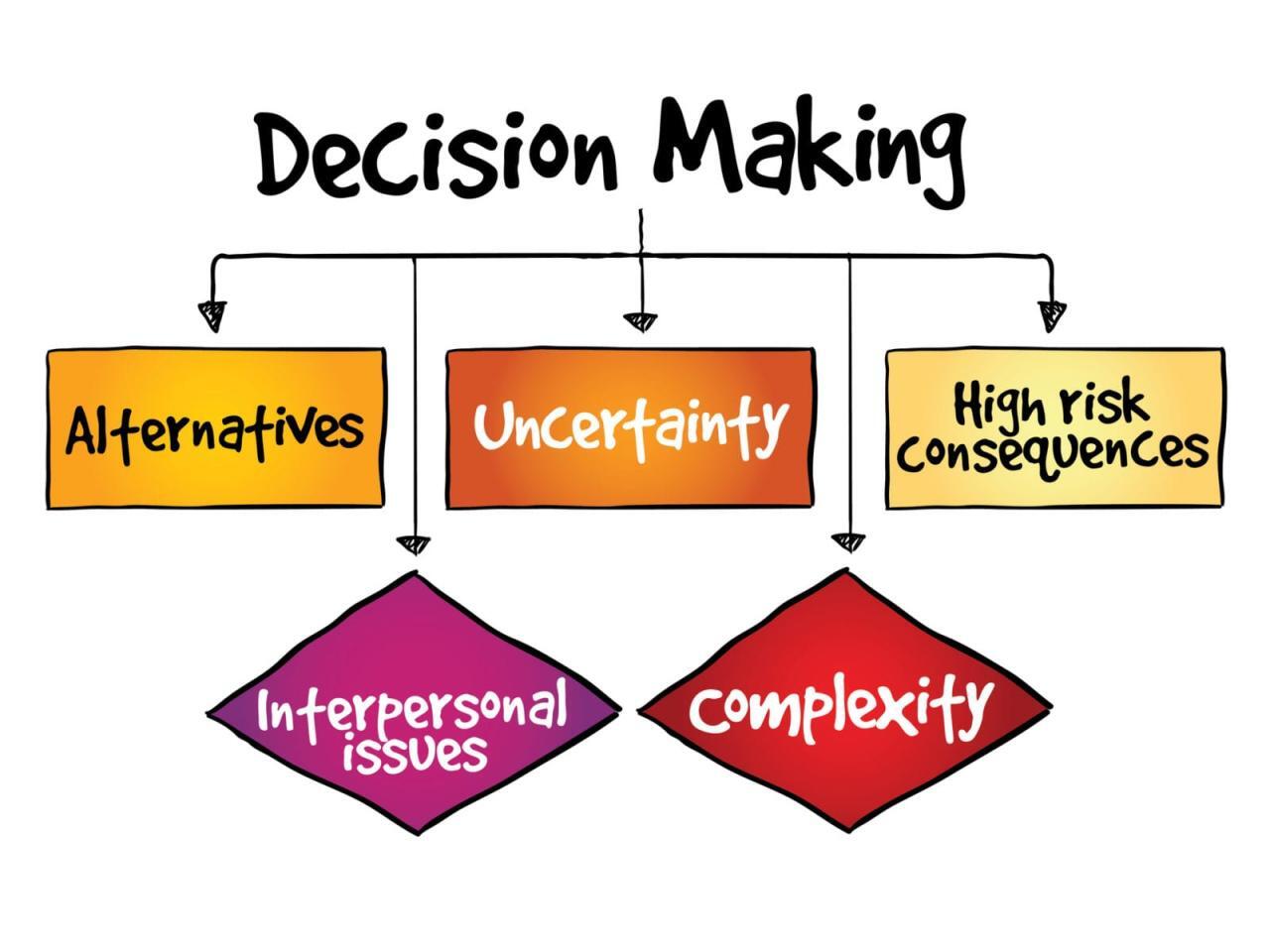
Successfully navigating wedding finances requires open dialogue, mutual respect, and a willingness to adapt. By understanding traditional roles, embracing modern flexibility, and openly communicating with all parties, you can create a shared vision for your wedding day that honors everyone’s contributions and celebrates your union joyfully and harmoniously.