Embarking on the journey of wedding planning brings a delightful array of details, and among the most significant is ensuring your groomsmen look sharp and cohesive. This guide, How to Coordinate Groomsmen Attire, serves as your compass through the process, promising to transform what might seem like a daunting task into a seamless and enjoyable experience. We’ll delve into the intricacies of selecting the perfect outfits, from understanding the foundational steps to navigating the finer points of fabric, fit, and accessories.
This comprehensive exploration will equip you with the knowledge to make informed decisions, manage timelines effectively, and address common challenges, ensuring that every member of your wedding party feels confident and looks impeccable. Prepare to discover practical strategies and creative insights that will help you achieve a unified and stylish groomsmen look that perfectly complements your wedding vision.
Understanding the Groomsmen Attire Coordination Process
Coordinating groomsmen attire is a crucial aspect of wedding planning that ensures a cohesive and polished look for the groom’s party. It involves a series of thoughtful decisions and timely actions to select, procure, and fit the outfits for all groomsmen. A well-coordinated look elevates the overall aesthetic of the wedding party, contributing to memorable photographs and a unified presentation on the big day.The process begins with establishing a clear vision for the groomsmen’s attire, which should align with the wedding’s overall theme, formality, and color palette.
This initial step sets the foundation for all subsequent decisions, from the type of garment to the specific accessories. Understanding the typical timeline and potential challenges is essential for a smooth and stress-free experience.
Fundamental Steps in Coordinating Groomsmen Attire
The coordination of groomsmen attire involves a systematic approach to ensure all members are appropriately dressed and comfortable. These steps guide couples through the selection, decision-making, and procurement phases.
- Establish the Attire Vision: This is the foundational step where the couple, often in consultation with the groom, decides on the overall style and formality of the groomsmen’s outfits. This includes determining whether they will wear suits, tuxedos, or more casual ensembles, and considering the wedding’s venue and time of day.
- Set the Budget: A clear budget for each groomsman’s attire needs to be established. This involves deciding who will cover the costs – the couple, the groomsmen themselves, or a shared arrangement. Understanding the budget upfront prevents financial strain and guides selection choices.
- Select the Attire Components: This stage involves choosing the specific garments, such as the jacket, trousers, shirt, tie, pocket square, and shoes. Color schemes, fabric types, and styles are finalized here.
- Determine Procurement Method: Couples must decide whether groomsmen will rent or purchase their attire. Rental is often more budget-friendly for formal wear like tuxedos, while purchasing offers more personalization and the opportunity for groomsmen to keep the items.
- Gather Groomsmen Measurements: Accurate measurements are vital for ensuring a proper fit. This can be done by a professional tailor, or by providing groomsmen with detailed measurement guides to follow themselves, especially if they are located in different areas.
- Place Orders or Initiate Rentals: Once selections and measurements are finalized, orders are placed with retailers or rental companies. Timely ordering is crucial to allow for shipping, alterations, and potential exchanges.
- Schedule Fittings and Alterations: Fittings are scheduled to ensure the attire fits perfectly. Minor alterations may be necessary, and these should be completed well in advance of the wedding date.
- Final Review and Distribution: Before the wedding, a final check of all attire is conducted to ensure everything is in order. If renting, arrangements for pickup or delivery are made. If purchasing, groomsmen are informed of when and how they will receive their outfits.
Typical Timeline for Groomsmen Attire Decisions and Purchases
A well-defined timeline is essential for managing the coordination of groomsmen attire effectively, preventing last-minute rushes and ensuring all parties have ample time for decisions, purchases, and alterations. Adhering to a schedule helps to mitigate common logistical challenges.The ideal time to begin the process is typically six to eight months before the wedding. This allows for thorough research, budget setting, and consultation with the wedding party.
- 6-8 Months Prior: This is the ideal window to begin discussing the overall vision and budget for groomsmen attire. It’s also a good time to research retailers or rental companies and get an initial sense of available styles and price points.
- 4-6 Months Prior: Decisions on the specific attire style, color, and fabric should be finalized. If purchasing, this is when orders should ideally be placed to allow for potential shipping delays and manufacturing times. For rentals, initial reservations can be made.
- 3-4 Months Prior: Groomsmen should be informed of their attire choices and encouraged to provide their measurements. If they are responsible for purchasing or renting, they should be given a deadline to do so.
- 2-3 Months Prior: For purchased attire, this is a good time to schedule initial fittings to identify any necessary alterations. For rented attire, confirm that all items have been reserved and are available.
- 4-6 Weeks Prior: All alterations should be completed. Final confirmations with rental companies should be made, and arrangements for pickup or delivery of attire should be solidified.
- 1-2 Weeks Prior: Groomsmen should receive their attire. Any last-minute adjustments or issues can be addressed at this stage.
Common Challenges in Coordinating Groomsmen Outfits
While coordinating groomsmen attire is a straightforward process in theory, couples often encounter several common challenges that can add complexity. Awareness of these potential pitfalls can help in proactively addressing them.
One of the most frequent issues arises from geographic dispersion. When groomsmen are located in different cities or even countries, coordinating measurements, fittings, and the procurement of attire becomes significantly more complicated. This often necessitates relying on mail-order services, professional tailors in each location, or pre-arranged fitting days.
Another prevalent challenge is budgetary constraints. Groomsmen may have varying financial capacities, and the cost of attire can be a sensitive topic. Couples must navigate this by selecting options that are accessible to all, clearly communicating who is responsible for which costs, and offering a range of choices if possible. For instance, if a specific designer suit is too expensive, offering a similar style from a more affordable brand or suggesting a rental option can be a viable solution.
Varying body types and sizes also present a challenge. Ensuring a consistent and flattering fit for all groomsmen requires careful attention to detail during the measurement and alteration phases. This is particularly true when dealing with unique body shapes or specific fit preferences.
Communication breakdowns are another common hurdle. Lack of clear and timely communication regarding deadlines, attire choices, and measurement requirements can lead to missed deadlines, incorrect orders, and last-minute stress. Establishing a central point of contact and utilizing clear, concise communication channels is vital.
Finally, differing opinions and personal styles among groomsmen can sometimes create friction. While the couple’s vision should lead, being open to minor suggestions or ensuring a generally agreeable aesthetic can foster a more positive experience for everyone involved. For example, while the suit color is fixed, allowing groomsmen some choice in tie pattern or sock color can offer a sense of personal expression.
Key Stakeholders in the Groomsmen Attire Decision-Making Process
The selection and coordination of groomsmen attire involve several key individuals whose input and collaboration are essential for a successful outcome. Understanding their roles and perspectives helps in streamlining the decision-making process.
- The Couple: The primary stakeholders are the bride and groom. The groom, in particular, will have significant input on the style and formality of his own attire and that of his groomsmen, as it directly reflects his personal style and the overall wedding aesthetic. The bride often contributes to ensuring the groomsmen’s attire complements her own dress and the wedding’s color scheme.
- The Groom: As the central figure among the groomsmen, the groom’s preferences are paramount. He often takes the lead in selecting the attire that best represents his vision for the wedding party’s look.
- The Groomsmen: While the final decision rests with the couple, the groomsmen are the individuals who will be wearing the attire. Their input regarding comfort, fit, and budget can be valuable, especially if they are responsible for the cost. Open communication with the groomsmen ensures their satisfaction and reduces potential issues.
- Wedding Party Coordinators or Planners: If a professional wedding planner or a dedicated member of the wedding party (like a best man or maid of honor) is assisting with coordination, they act as key stakeholders by managing communication, tracking deadlines, and liaising between the couple and the groomsmen.
- Tailors or Rental Company Representatives: These professionals play a crucial role in advising on fit, style, and fabric choices. They are instrumental in ensuring that the selected attire is available, fits correctly, and is delivered on time. Their expertise is invaluable in navigating the practical aspects of procurement and alterations.
Setting the Style and Theme

The foundation of coordinating groomsmen attire lies in establishing a clear style and theme for your wedding. This overarching vision will guide every sartorial decision, ensuring a cohesive and memorable look for your wedding party. It’s about more than just picking suits; it’s about reflecting the personality and atmosphere of your special day.When embarking on this crucial step, consider the overall ambiance you wish to create.
Are you envisioning a grand, formal affair, a relaxed, bohemian celebration, or something in between? The wedding style will dictate the formality, color palette, and even the specific types of garments suitable for your groomsmen.
Wedding Styles and Their Influence on Groomsmen Attire
Different wedding styles inherently suggest specific attire choices that enhance the overall aesthetic. Understanding these connections ensures your groomsmen’s outfits will harmoniously blend with the wedding’s character.
- Formal Weddings: For black-tie events, galas, or traditional church ceremonies, tuxedos are the quintessential choice. This often includes a black or midnight blue tuxedo jacket, matching trousers with a satin stripe, a white formal shirt, a black bow tie, and patent leather shoes. The emphasis is on classic elegance and sophistication.
- Semi-Formal Weddings: This category offers more flexibility. Suits are a popular choice, allowing for a wider range of colors and fabrics. Think charcoal grey, navy blue, or even a well-tailored tan suit. A dress shirt, tie, and dress shoes complete the look, offering a polished yet approachable feel.
- Casual Weddings: For beach weddings, barn venues, or outdoor gatherings, comfort and a relaxed vibe are key. This might translate to linen suits, chinos with blazers, or even smart separates. Lighter colors, open-collar shirts, and loafers can all contribute to a laid-back yet stylish appearance.
- Themed Weddings: If your wedding embraces a specific theme, such as vintage, rustic, or even a particular era, the attire should reflect this. This could involve specific fabric choices, unique accessories, or even custom-designed elements to align with the theme.
Popular Wedding Themes and Corresponding Attire
Aligning groomsmen attire with popular wedding themes is a powerful way to enhance the narrative and visual appeal of your celebration. These pairings create a unified and immersive experience for your guests.
| Wedding Theme | Suggested Groomsmen Attire | Key Elements |
|---|---|---|
| Rustic Barn Wedding | Navy or charcoal suits, tweed vests, or even well-fitted denim shirts with suspenders. | Earthy tones, textured fabrics (tweed, corduroy), leather accessories, bow ties or textured ties. |
| Beach Wedding | Linen suits in light colors (tan, light grey, sky blue), or even smart chinos with linen shirts. | Lightweight fabrics, breathable materials, loafers or espadrilles, straw hats (optional). |
| Vintage/Roaring Twenties Wedding | Double-breasted suits, pinstripe suits, or classic tuxedos with unique accessories. | Fedoras or newsboy caps, pocket watches, suspenders, patterned bow ties or ties. |
| Garden/Bohemian Wedding | Muted color suits (olive green, burgundy, dusty blue), floral shirts, or patterned ties. | Natural fabrics, unique boutonnières, bohemian-inspired accessories, relaxed silhouettes. |
| Modern Minimalist Wedding | Sharp, tailored suits in classic colors (black, navy, grey) with clean lines. | Sleek designs, monochromatic palettes, subtle accessories, polished shoes. |
Color Palette Selection for Groomsmen Attire
The color palette of your wedding is a critical element that influences the mood and aesthetic of your event. Selecting complementary colors for groomsmen attire ensures a harmonious and visually pleasing presentation.It’s important to consider how the groomsmen’s colors will interact with the overall wedding color scheme, including the bridesmaids’ dresses, floral arrangements, and venue décor.
- Primary Wedding Colors: Often, the groomsmen’s attire will directly incorporate one or two of your main wedding colors. This could mean navy suits if navy is a prominent wedding color, or burgundy ties to match burgundy bridesmaids’ dresses.
- Complementary Colors: Sometimes, choosing colors that complement rather than directly match can create a more sophisticated and nuanced look. For example, if your wedding colors are blush and gold, the groomsmen might wear charcoal suits with blush pocket squares and gold accents.
- Neutral Tones: Classic neutral tones like grey, navy, and tan serve as excellent bases for any color palette. They provide a timeless backdrop against which accent colors can pop.
- Seasonal Considerations: The time of year can also influence color choices. Lighter, brighter colors are often favored for spring and summer weddings, while richer, deeper hues suit autumn and winter celebrations.
“The color palette is the silent language of your wedding, speaking volumes about its mood and style. Ensure your groomsmen’s attire is fluent in this language.”
Framework for Presenting Style Options to the Wedding Party
To ensure a smooth and collaborative process when presenting style options to your groomsmen, a structured approach is highly recommended. This framework aims to be clear, informative, and respectful of their input.A well-defined presentation minimizes confusion and facilitates timely decisions, allowing everyone to feel confident and comfortable in their chosen attire.
- Initial Consultation: Begin by sharing the overall wedding style and theme with the wedding party. Discuss the desired level of formality and the general color palette you have in mind. This sets the stage and provides context for the specific options you will present.
- Option Presentation: Present a curated selection of 2-3 well-defined attire options. For each option, provide a clear visual (e.g., a mood board, a collage of images, or even a simple sketch) and a detailed description of the garments, including fabric, color, and any specific styling requirements (e.g., tie type, shoe style).
- Budgetary Considerations: Be transparent about the expected cost associated with each option. If there are varying price points, clearly Artikel what is included in each. This is crucial for ensuring everyone is comfortable with the financial commitment.
- Logistics and Timeline: Clearly communicate the timeline for trying on, ordering, and receiving the attire. Provide information on where to purchase or rent the items, and set clear deadlines for decisions and measurements.
- Open Communication Channel: Encourage questions and feedback. Designate a point person (often the groom or a trusted groomsman) to field inquiries and relay concerns. This fosters a sense of collaboration and ensures everyone feels heard.
Suit vs. Tuxedo Selection
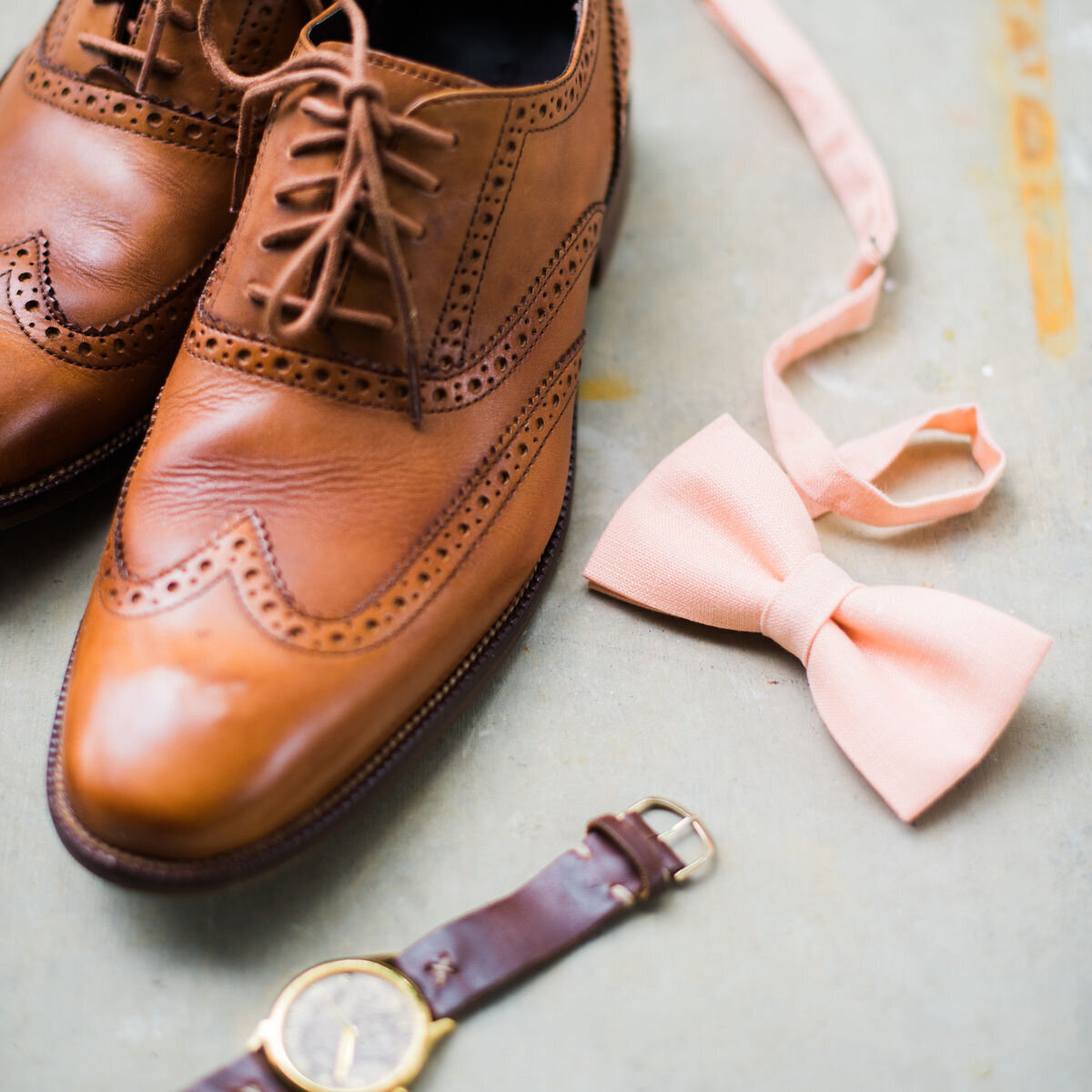
Choosing between a suit and a tuxedo for the groom and his groomsmen is a pivotal decision that significantly influences the overall formality and aesthetic of the wedding. This choice is not merely about personal preference but also about aligning the attire with the wedding’s style, venue, and time of day. Understanding the nuances of each option will ensure a cohesive and appropriate look for the entire wedding party.The fundamental distinction between suits and tuxedos lies in their design, fabric, and intended level of formality.
Tuxedos are traditionally reserved for black-tie events and formal evening occasions, characterized by specific sartorial elements. Suits, on the other hand, offer greater versatility and can be adapted for a wider range of wedding styles, from casual to semi-formal.
Suit vs. Tuxedo Appropriateness for Wedding Types
The type of wedding ceremony and reception is the primary determinant for selecting between a suit and a tuxedo. Formal weddings, especially those held in the evening, often call for the elevated elegance of a tuxedo. Conversely, daytime weddings, outdoor ceremonies, or more relaxed celebrations typically lend themselves well to the adaptability of suits.
Consider the following guidelines:
- Black-Tie or Formal Evening Weddings: Tuxedos are the standard for these events. They convey a sense of classic sophistication and are perfectly suited for venues like ballrooms or upscale hotels.
- Semi-Formal or Cocktail Attire Weddings: Both suits and tuxedos can work, but suits are often the more practical and versatile choice. A well-tailored suit can be dressed up or down depending on the fabric and accessories.
- Daytime or Outdoor Weddings: Suits are generally preferred for their comfort and suitability to warmer weather and brighter lighting. Lighter-colored suits or more casual fabrics can be appropriate for beach or garden weddings.
- Casual or Destination Weddings: While suits might still be an option, more relaxed attire such as dress pants with a blazer, or even smart chinos, might be considered depending on the specific theme and location.
Key Differences Between Suits and Tuxedos
The distinctions between suits and tuxedos are rooted in specific design features that define their formality and aesthetic. Recognizing these differences is crucial for making an informed selection.
The primary differentiating elements include:
- Fabric: Tuxedos are typically made from finer wools, often with a satin or grosgrain stripe down the side of the trousers and satin or grosgrain lapels. Suits are made from a wider variety of wools, wool blends, linen, cotton, and other materials, and generally do not feature satin or grosgrain accents.
- Lapels: Tuxedo jackets are characterized by satin or grosgrain facing on the lapels, which can be in a peak, shawl, or notch style. Suit jackets usually have lapels made from the same fabric as the jacket, most commonly in a notch or peak style.
- Buttons: Tuxedo jackets often feature one-button closures, and the buttons are typically covered in satin or silk. Suit jackets can have one, two, or three buttons, usually made of horn, plastic, or metal.
- Trousers: Tuxedo trousers commonly feature a satin or grosgrain stripe down the outer seam and do not have belt loops, as they are designed to be worn with suspenders (braces). Suit trousers have belt loops and no stripe.
- Shirt: Tuxedos are traditionally worn with a white formal shirt, often featuring pleats or a pique bib front, and French cuffs for cufflinks. Suit shirts offer more variety, including different colors, patterns, and collar styles, and can be worn with regular button cuffs or French cuffs.
- Neckwear: Bow ties are the standard for tuxedos, typically in black or a complementary color for specific events. Suits can be worn with either a bow tie or a necktie, offering more flexibility in color and pattern.
- Footwear: Black patent leather or highly polished black calfskin oxfords are the classic choice for tuxedos. Suits can be paired with a broader range of dress shoes, including oxfords, derbies, and loafers, in various colors like black, brown, or burgundy.
Considerations for Renting vs. Purchasing Attire
The decision to rent or purchase suits and tuxedos for the groomsmen involves practical and financial considerations. Each option has its own set of advantages and disadvantages that should be weighed carefully.
When deciding between renting and purchasing, consider the following points:
- Cost: Renting is generally more cost-effective for a one-time event, especially if the wedding party consists of several individuals who may not wear the attire again. Purchasing can be a higher upfront investment but may be more economical in the long run if the attire will be reused.
- Fit and Customization: Purchased suits and tuxedos can be tailored for a perfect, custom fit. Rental garments are standard sizes and may not fit as well, often requiring minor adjustments that are usually included in the rental fee.
- Quality and Style: Higher-end rental services offer good quality, but purchasing allows for a wider selection of fabrics, brands, and contemporary styles. You have complete control over the look and feel when you own the attire.
- Convenience: Renting simplifies the process of outfitting multiple individuals, as all garments are returned after the event. Purchasing requires individuals to manage and care for their own attire post-wedding.
- Gifts: Some couples choose to purchase suits for the groom and groomsmen as a wedding gift, which is a significant gesture.
Suit and Tuxedo Option Evaluation Checklist
To ensure a systematic approach to selecting the appropriate attire, utilize this checklist to evaluate your options for suits and tuxedos. This will help in making a decision that best suits the wedding’s theme and the preferences of the wedding party.
Use this checklist to guide your evaluation:
- Wedding Formality:
- Is the wedding black-tie, formal, semi-formal, or casual?
- What time of day is the ceremony and reception?
- What is the venue like (e.g., ballroom, garden, beach)?
- Tuxedo Suitability:
- If a tuxedo is considered, what style of lapel (peak, shawl, notch) is most appropriate?
- What color tuxedo is desired (classic black, midnight blue, or other)?
- What type of shirt and neckwear will be paired with it?
- Suit Suitability:
- What color suit best complements the wedding’s color palette?
- What fabric is most suitable for the season and venue (e.g., wool, linen, cotton)?
- What style of suit (e.g., single-breasted, double-breasted, slim-fit, classic-fit)?
- What type of shirt and neckwear will be worn?
- Rental vs. Purchase Analysis:
- Obtain quotes for both rental and purchase options.
- Consider the long-term use potential for purchased items.
- Factor in the convenience of rental returns versus garment ownership.
- Groomsmen Input:
- If purchasing, what is the budget for each groomsman?
- Are there any specific fit concerns or preferences among the groomsmen?
- How will alterations be handled for rented or purchased items?
- Accessory Coordination:
- What color and style of ties or bow ties will be used?
- What type of pocket squares will be selected?
- What shoe style and color will be worn?
- Will cufflinks and other jewelry be coordinated?
Color and Fabric Choices
The selection of colors and fabrics plays a pivotal role in defining the overall aesthetic and comfort of the groomsmen’s attire. These elements not only contribute to the formality of the occasion but also significantly influence how the wedding party looks and feels throughout the day. Careful consideration of these aspects ensures a cohesive and polished appearance that complements the wedding’s theme and the groom’s personal style.The interplay between fabric choice and color selection is crucial for achieving the desired impact.
Fabric weight and texture can dramatically alter the drape and feel of a suit or tuxedo, affecting comfort, especially in varying climates. Similarly, color choices, from the depth of a navy suit to the vibrancy of a tie, communicate different levels of formality and personality.
Fabric Weight and Type for Groomsmen Attire
The choice of fabric and its weight directly impacts the comfort and formality of groomsmen’s attire. Lighter fabrics are generally more breathable and suitable for warmer weather or less formal events, while heavier fabrics offer more structure and warmth, lending themselves to more formal occasions and cooler temperatures. Understanding these properties ensures that the groomsmen are comfortable and appropriately dressed for the wedding day.Here’s a guide to popular fabric choices and their characteristics:
- Wool: A versatile and classic choice, wool is suitable for most occasions. Lighter wools like tropical or fresco are excellent for summer weddings, offering breathability. Mid-weight wools are ideal for year-round wear, providing a good balance of structure and comfort. Heavier wools, such as tweed or flannel, are best for autumn and winter weddings, offering warmth and a distinct texture.
Wool generally drapes well and can be tailored to achieve a sharp silhouette, contributing to a formal appearance.
- Linen: Renowned for its breathability and natural texture, linen is a prime choice for warm-weather weddings. It offers a relaxed yet sophisticated look. However, linen wrinkles easily, which can detract from a highly formal aesthetic. It is best suited for beach weddings, destination weddings, or more casual summer celebrations.
- Cotton: Cotton suits are generally less formal than wool and are often preferred for daytime or more casual events. They can be comfortable and breathable, but they may not hold a sharp crease as well as wool and can be prone to wrinkling. Seersucker and chino are popular cotton fabric types for warmer weather.
- Silk: Primarily used for ties, pocket squares, and tuxedo linings, silk adds a luxurious sheen and smooth texture. It is often associated with formal wear due to its inherent elegance. Silk can be delicate and prone to water spots, so its use in full suits for groomsmen is less common.
- Polyester Blends: Often blended with wool or other fibers, polyester can add durability and reduce wrinkling. While generally more affordable, 100% polyester can sometimes appear less refined and may not breathe as well as natural fibers. Blends can offer a good compromise for budget-conscious wedding parties.
Popular Suit and Tuxedo Fabric Choices and Their Best Use Cases
The selection of fabric for suits and tuxedos is paramount in dictating the overall formality and suitability for different wedding settings and seasons. Each fabric type possesses unique characteristics that lend themselves to specific occasions and contribute to the desired aesthetic.A table illustrating popular choices and their applications:
| Fabric Type | Weight | Formality Level | Best Use Cases | Notes |
|---|---|---|---|---|
| Wool (Worsted) | Medium to Heavy | High | Formal weddings, business attire, year-round wear, evening events. | Excellent drape, wrinkle-resistant, classic choice. |
| Wool (Tropical/Fresco) | Light | Medium to High | Summer weddings, destination weddings, warmer climates. | Breathable, allows for airflow, but can wrinkle more than heavier wools. |
| Linen | Light | Casual to Medium | Beach weddings, destination weddings, summer garden parties. | Highly breathable, relaxed look, but wrinkles significantly. |
| Cotton (Chino/Gabardine) | Medium | Casual to Medium | Daytime weddings, less formal celebrations, spring/summer events. | Durable, comfortable, but can wrinkle and may not hold a sharp crease. |
| Velvet | Medium to Heavy | Very High (Tuxedo) | Black-tie events, formal evening weddings, winter celebrations. | Luxurious texture, rich appearance, typically used for tuxedo jackets. |
| Silk Blends | Light | High (Tuxedo accents) | Lapels, ties, pocket squares for formal wear. | Adds sheen and elegance, but not typically used for full suits. |
Color Selection for Suits, Ties, and Pocket Squares
Selecting the right colors for suits, ties, and pocket squares is a nuanced process that significantly influences the overall harmony of the groomsmen’s attire. The chosen palette should align with the wedding’s theme, the season, the formality of the event, and the desired mood. It’s about creating a visual narrative that is both cohesive and distinguished.The approach to color selection can be guided by a few key principles:
- Suit Colors: Classic suit colors like navy, charcoal gray, and black are perennial favorites for their versatility and formality. Navy and charcoal are adaptable to a wide range of wedding styles and seasons. Black is typically reserved for the most formal events, especially tuxedos. Lighter grays, tans, or even subtle patterns can be appropriate for more relaxed or daytime weddings, particularly in warmer months.
- Tie Colors: Ties offer a significant opportunity for personal expression and can be used to tie together different elements of the wedding party’s attire. For a cohesive look, consider coordinating tie colors with the bridesmaids’ dresses, floral arrangements, or the overall wedding color scheme. Monochromatic or analogous color schemes can create a sophisticated, unified look.
- Pocket Square Colors: Pocket squares provide a chance to add a subtle pop of color or pattern. They can either match the tie for a more formal and coordinated appearance or offer a complementary color for a touch of individuality. White linen or silk pocket squares are classic and suitable for any level of formality.
Visual Representation of Color Combinations for Groomsmen Attire
To illustrate effective color combinations, consider the following descriptive scenarios that evoke visual harmony and style. These examples demonstrate how different color elements can be integrated to create a polished and memorable look for the groomsmen. Scenario 1: Classic Elegance (Navy Suit Base)
Suits
Deep Navy Blue (Worsted Wool)
Ties
Burgundy or Deep Red (Silk)
Pocket Squares
White Linen with a subtle burgundy border, or a patterned silk square incorporating navy and burgundy.
Visual Effect
This combination exudes timeless sophistication. The rich navy of the suit provides a solid foundation, while the burgundy tie adds a touch of warmth and depth. The pocket square offers a refined accent, either mirroring the tie’s color for strict coordination or introducing a complementary pattern. This pairing is suitable for formal to semi-formal weddings across most seasons. Scenario 2: Modern Sophistication (Charcoal Suit Base)
Suits
Charcoal Gray (Worsted Wool)
Ties
Emerald Green or Teal (Silk or textured knit)
Pocket Squares
Emerald Green or Teal, potentially with a subtle gray or silver pattern, or a crisp white silk pocket square.
Visual Effect
This pairing offers a contemporary and stylish alternative. The charcoal suit is a versatile neutral, allowing bolder tie colors to stand out. The jewel tones of emerald green or teal provide a striking contrast and a sense of modern flair. A patterned pocket square can further enhance the visual interest. This combination works well for semi-formal to formal evening weddings.
Scenario 3: Warm Weather Charm (Light Gray or Tan Suit Base)
Suits
Light Gray or Tan (Linen blend or lighter wool)
Ties
Dusty Blue, Sage Green, or a muted Coral (Cotton or linen)
Pocket Squares
Complementary shades of the tie color, or a floral patterned pocket square incorporating suit and tie colors.
Visual Effect
Ideal for spring or summer weddings, this combination feels light and airy. The lighter suit colors are approachable and comfortable for warmer weather. The chosen tie and pocket square colors add a gentle touch of personality without being overpowering, creating a relaxed yet put-together aesthetic. This is well-suited for outdoor, daytime, or destination weddings. Scenario 4: Bold and Distinctive (Black Tuxedo Base)
Tuxedos
Classic Black (Wool or Velvet)
Ties
Black Bow Tie (Satin or grosgrain)
Pocket Squares
White Silk or a black pocket square with a subtle sheen.
Visual Effect
This represents the pinnacle of formal evening wear. The stark contrast of the black tuxedo with a crisp white pocket square and black bow tie is inherently elegant and sophisticated. For a subtle variation, a black pocket square with a textured finish can add a touch of refined detail. This is strictly for black-tie or highly formal evening events.
Fit and Sizing Guidance
Ensuring each groomsman is impeccably dressed is paramount for a cohesive and polished wedding party. Proper fit is not merely about aesthetics; it significantly impacts comfort, confidence, and the overall visual harmony of your wedding photographs. Ill-fitting attire can detract from the celebratory mood and make individuals feel self-conscious, undermining the importance of the occasion.The process of achieving the perfect fit requires attention to detail and clear communication, especially when groomsmen are located in different geographical areas.
A well-fitting suit or tuxedo elevates the entire ensemble, making each member of the wedding party look and feel their best. This section will guide you through the essential steps to guarantee a flattering and comfortable fit for every groomsman.
The Importance of Proper Fit
The impact of well-fitted attire on groomsmen extends beyond mere appearance. A suit or tuxedo that fits correctly accentuates the wearer’s best features, creating a streamlined silhouette that is both elegant and flattering. Conversely, garments that are too tight can restrict movement and appear unprofessional, while those that are too loose can look sloppy and unkempt. This attention to detail communicates respect for the occasion and for the individuals involved.
Measuring Groomsmen Accurately
Accurate measurements are the foundation of achieving a perfect fit. For in-person fittings, it is ideal to have a professional tailor or a knowledgeable individual take the measurements. However, for remote groomsmen, providing clear, step-by-step instructions for self-measurement is crucial.
Methods for Accurate Measurement
When measuring groomsmen, especially those who are not present for a physical fitting, clear instructions and visual aids are invaluable. It is recommended to provide a measurement guide that includes diagrams or short video demonstrations for each measurement.
- Chest: Measure around the fullest part of the chest, keeping the tape measure parallel to the floor.
- Waist: Measure around the natural waistline, typically at the level of the navel.
- Sleeve Length: Measure from the shoulder seam to the desired cuff length, usually at the wrist bone.
- Inseam: Measure from the crotch seam down to the desired hem length of the trousers.
- Neck: Measure around the base of the neck, where the collar would sit.
- Shoulder Width: Measure from the tip of one shoulder to the tip of the other, across the back.
- Outseam: Measure from the top of the waistband down to the desired hem length of the trousers.
For remote measurements, encourage groomsmen to use a flexible, fabric measuring tape and to ensure it is snug but not tight. It is also advisable to have them measure over the type of undergarments they will wear on the wedding day. For added accuracy, suggest they have a friend or family member assist them with the measurements.
The Process of Alterations
Even with precise measurements, minor alterations are often necessary to achieve a perfect fit. Understanding when and how to address these adjustments is key to the success of the groomsmen’s attire.
When Alterations Are Typically Needed
Most ready-to-wear suits and tuxedos will require some form of alteration. Common areas that necessitate adjustment include:
- Trouser Hem: This is the most frequent alteration, ensuring the trousers fall correctly over the shoes.
- Sleeve Length: Adjusting sleeve length ensures a clean line between the suit jacket and shirt cuff.
- Jacket Waist: Taking in or letting out the jacket waist can dramatically improve the silhouette.
- Jacket Length: While less common, the jacket length may need minor adjustments.
- Shoulder Fit: Adjusting the shoulders is a more complex alteration, but crucial for a good fit.
It is advisable to schedule alteration appointments at least 2-3 weeks before the wedding date to allow ample time for adjustments and potential re-fittings.
Step-by-Step Procedure for Ensuring a Good Fit
A structured approach to fit and sizing will minimize stress and ensure all groomsmen are accommodated.
- Initial Measurement Collection: Gather measurements from all groomsmen using the provided guide. For remote participants, request clear photographs of them holding the measuring tape at key points.
- Review and Cross-Reference: Carefully review all submitted measurements. If any measurements seem significantly outside the norm or inconsistent, reach out to the groomsman for clarification or re-measurement.
- Order Attire: Based on the collected measurements, order the suits or tuxedos. It is often advisable to order slightly larger than exact measurements, as it is easier to take in fabric than to let it out.
- First Fitting: Once the attire arrives, schedule a group fitting if possible, or have each groomsman try on their ensemble. Instruct them to wear the shoes and shirt they plan to wear on the wedding day.
- Identify Alteration Needs: During the fitting, meticulously assess the fit of each garment. Note down all necessary adjustments, paying close attention to the areas mentioned in the “When Alterations Are Typically Needed” section.
- Schedule Alterations: Coordinate with a reputable tailor to perform the necessary alterations. Provide the tailor with the specific notes from the fitting.
- Final Fitting: After alterations are completed, conduct a final fitting to ensure all adjustments have been made correctly and the fit is now perfect. This should be done well in advance of the wedding day.
- Groomsman Approval: The ultimate goal is for each groomsman to feel comfortable and confident in their attire. Seek their feedback during the final fitting to ensure their satisfaction.
“A well-tailored garment is a testament to attention to detail and a mark of respect for the occasion.”
Accessory Coordination
Once the foundational elements of groomsmen attire—suits, tuxedos, colors, fabrics, and fit—have been meticulously decided, the next crucial step in achieving a cohesive and polished look is the careful coordination of accessories. Accessories are the finishing touches that elevate a suit from merely functional to impeccably styled, adding personality and reinforcing the overall theme of the wedding.The purpose of accessory coordination is to ensure that each element, from the tie to the shoes, complements the others and contributes to a unified aesthetic.
This attention to detail prevents jarring contrasts and ensures that the groomsmen present a united and sophisticated front, reflecting the wedding’s overall style and the couple’s vision.
Essential Accessories and Their Purpose
Accessories serve not only decorative functions but also practical ones, contributing to the overall comfort and presentation of the groomsmen. Understanding the role of each item is key to making informed coordination choices.
- Ties/Bow Ties: These are central focal points of the upper body attire, drawing immediate attention. They can introduce color, pattern, and texture, significantly influencing the formality and style of the outfit.
- Pocket Squares: Often overlooked, pocket squares add a subtle layer of sophistication and can either subtly echo the tie’s color or introduce a complementary hue or pattern. They are a versatile accessory for adding visual interest without overwhelming the ensemble.
- Socks: While often hidden, socks play a role in the complete look. They can either blend seamlessly with the trousers or add a surprising pop of color or pattern, especially visible when the groom or groomsmen are seated or in motion.
- Shoes: Footwear is a critical component that anchors the entire outfit. The style, color, and material of the shoes must align with the formality of the suit or tuxedo and the overall aesthetic.
- Cufflinks and Studs: For formal wear, these are essential functional and decorative elements that secure shirt cuffs and fasten the front of a formal shirt, adding a touch of refined elegance.
- Belts: These serve a practical purpose in holding up trousers but also contribute to the overall visual line of the outfit. The color and material of the belt should ideally complement the shoes.
Coordinating Ties, Bow Ties, Pocket Squares, and Socks
The coordination of these key textile accessories is where much of the stylistic synergy is achieved. The goal is not necessarily to match everything perfectly, but to create a harmonious interplay of colors and patterns.When coordinating ties and bow ties with the overall attire, consider the formality of the event. For formal occasions, silk ties or classic bow ties in solid colors or subtle patterns are appropriate.
For less formal weddings, a wider range of fabrics, textures, and bolder patterns can be explored. The color of the tie or bow tie can either complement the suit color or introduce a contrasting accent.Pocket squares offer a fantastic opportunity for nuanced coordination. They can either match the tie or bow tie for a very classic and coordinated look, or they can introduce a complementary color or a complementary pattern.
For instance, if the tie has a floral pattern, the pocket square could be a solid color derived from one of the flower’s hues.Socks provide a more subtle yet impactful area for coordination. They can be chosen to match the trousers for a seamless leg line, or they can introduce a playful element. A common approach is to select socks that pick up on a secondary color within the tie or pocket square, or a color that complements the overall wedding palette.
Shoe Selection and Overall Look
Shoe selection is paramount, as footwear fundamentally influences the perceived formality and style of the groomsmen’s attire. The color and style of the shoes must be in harmony with the suit or tuxedo.For traditional black tuxedos, black patent leather or highly polished black calfskin opera pumps or oxfords are the standard. For dark navy or charcoal suits, black or dark brown leather oxfords or loafers are excellent choices.
Lighter colored suits, such as those in grey or tan, can accommodate a wider range of shoe colors, including brown, tan, or even burgundy.The material of the shoes should also be considered. High-shine leather is generally more formal, while matte finishes can be suitable for less formal occasions. The style of the shoe – whether it’s an oxford, a loafer, or a derby – should also align with the suit’s silhouette and the wedding’s overall formality.
The right shoes complete the ensemble, anchoring the look and signaling attention to detail.
Unique or Personalized Groomsmen Accessories
Adding a personal touch to groomsmen accessories can create memorable keepsakes and further personalize the wedding day. These unique elements can reflect the personalities of the groomsmen or hold special significance for the couple.Consider personalized cufflinks engraved with the wedding date, the groomsmen’s initials, or a small symbol meaningful to the group. Tie clips or lapel pins can also be customized.
For a more whimsical touch, custom-designed socks featuring inside jokes, shared hobbies, or a pattern related to the wedding theme can be a fun addition.Another avenue for personalization is through pocket squares. These can be made from fabric that ties into a personal memory, or they can be embroidered with a small, discreet detail. Even the choice of belt buckle can be personalized, offering a subtle yet distinctive touch.
Personalized accessories transform functional items into cherished mementos, celebrating the bonds of friendship and the significance of the occasion.
Budgeting and Purchasing
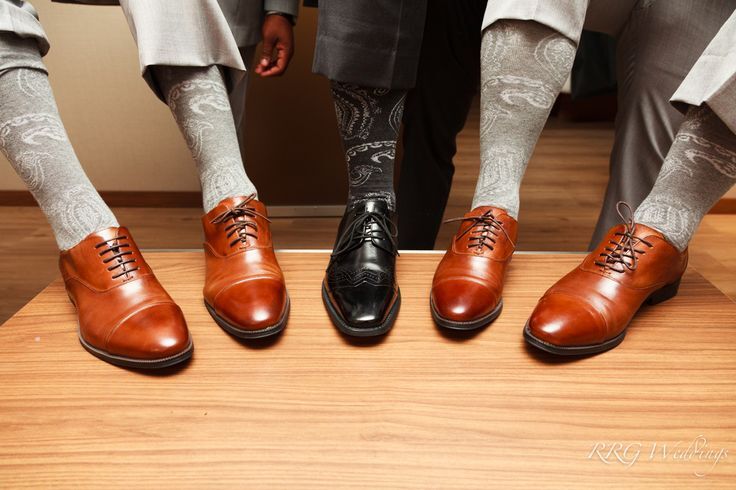
Navigating the financial aspects of groomsmen attire is a crucial step in the coordination process. Establishing a clear budget early on will prevent surprises and ensure that all members of the wedding party feel comfortable with the expenses involved. This section will guide you through understanding typical costs, effective budget management strategies, and efficient purchasing methods.
Typical Costs of Groomsmen Attire
The overall cost for groomsmen attire can vary significantly based on whether you opt for purchasing or renting, the formality of the attire, and the specific brands or retailers chosen. Understanding these potential expenses will help in setting a realistic budget.Here is a breakdown of common cost components:
- Suit or Tuxedo: This is often the largest single expense. Purchasing a new suit can range from $150 to $800+, while rentals typically fall between $80 to $250.
- Shirt: A dress shirt is usually a separate purchase, costing between $40 and $100.
- Tie and Pocket Square: These accessories can range from $20 to $100 each, depending on material and brand.
- Shoes: If groomsmen are expected to purchase new shoes, budget approximately $75 to $200.
- Grooming: While not directly attire, some couples may allocate a small amount for professional grooming services, which could add $50 to $150 per person.
- Alterations: For purchased attire, factor in $30 to $100 for professional tailoring to ensure a perfect fit.
Budget Management Strategies
Effective budget management ensures that the financial burden of groomsmen attire is distributed fairly and within the couple’s overall wedding budget. Several strategies can be employed to keep costs in check.Consider these approaches for managing your budget:
- Determine Who Pays: Clearly establish whether the couple, the groomsmen, or a combination of both will cover the costs. This decision significantly impacts the overall budget.
- Set a Per-Person Limit: If groomsmen are contributing, set a maximum amount each person is expected to spend. This provides transparency and manages expectations.
- Prioritize and Compromise: Identify which attire elements are most important to the couple and where savings can be made. For instance, opting for a standard suit color that groomsmen might already own could reduce costs.
- Leverage Sales and Discounts: Keep an eye out for seasonal sales, wedding party discounts offered by retailers, or group purchase incentives.
Coordinating Group Purchases or Individual Orders
The method of purchasing groomsmen attire can impact both cost and convenience. Whether opting for a unified group order or allowing individual purchases, clear communication and organization are key.Here are methods for coordinating purchases:
- Centralized Group Order: The couple or a designated groomsman collects measurements and payments, then places a single order with a chosen retailer. This can sometimes secure bulk discounts and ensures uniformity.
- Individual Orders with a Style Guide: Provide groomsmen with a detailed style guide specifying the exact suit, shirt, tie, and shoe requirements, including brand and model numbers where applicable. They then purchase items individually, ensuring they meet the specifications. This offers flexibility for groomsmen to find items that fit their budget and preferences within the defined parameters.
- Rental Coordination: If renting, a designated person can coordinate the rental process, ensuring all groomsmen are measured and placed their orders with the rental company by a set deadline. Many rental companies offer online portals for easy management.
Comparison of Popular Retailers and Rental Services
Choosing the right vendor is essential for both cost-effectiveness and ensuring the desired look for your groomsmen. Below is a comparison of popular options, highlighting their typical offerings and price points.Here is a comparison of common choices:
| Vendor Type | Typical Price Range (Purchase) | Typical Price Range (Rental) | Key Features | Considerations |
|---|---|---|---|---|
| Department Stores (e.g., Macy’s, Nordstrom) | $150 – $800+ | N/A | Wide selection of brands, frequent sales, in-store alterations. | Can be time-consuming to coordinate individual purchases; price varies greatly by brand. |
| Online Retailers (e.g., ASOS, The Black Tux, Generation Tux) | $100 – $500+ | $80 – $250 | Convenient online ordering, curated collections, virtual try-on options, home try-on for rentals. | Requires accurate self-measurement for purchases; returns/exchanges can be more complex than in-store. |
| Specialty Suit Shops (e.g., SuitSupply) | $400 – $1000+ | N/A | High-quality fabrics, excellent tailoring services, extensive customization options. | Higher price point, best for couples prioritizing premium quality and fit. |
| Bridal Boutiques with Menswear (e.g., David’s Bridal) | $150 – $400 | $100 – $200 | Often offer package deals, coordinated colors with bridesmaids’ dresses. | Selection may be more limited compared to dedicated menswear stores. |
Communication and Logistics
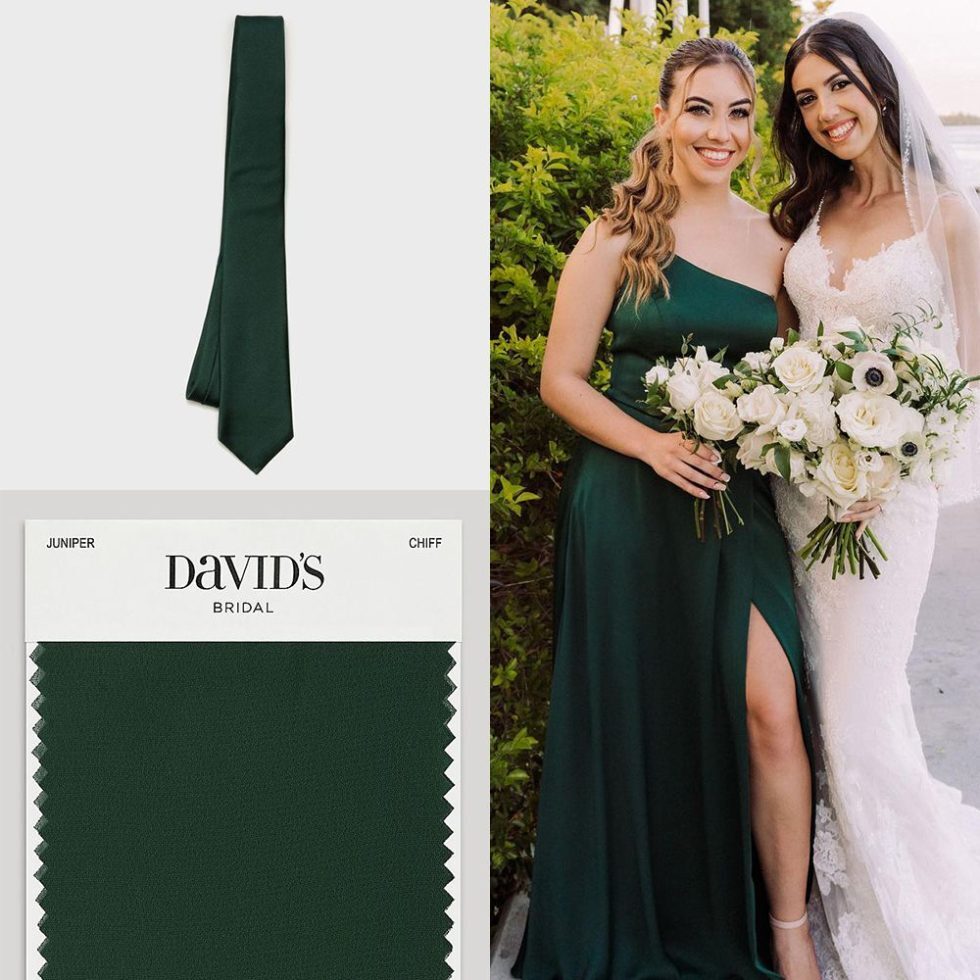
Successfully coordinating groomsmen attire extends beyond selection and purchasing; effective communication and seamless logistics are paramount to ensure everyone is informed, equipped, and prepared for the wedding day. This involves clear dissemination of information, organized distribution and collection of attire, and proactive management of any unforeseen issues.
Effective Communication Strategies
Clear and consistent communication is the bedrock of a smooth groomsmen attire coordination process. Providing all necessary details in an accessible format prevents confusion and ensures all members of the wedding party are on the same page regarding their sartorial responsibilities.
- Centralized Information Hub: Establish a dedicated platform, such as a shared document (Google Docs, Dropbox Paper), a private Facebook group, or a wedding website page, where all attire-related information is consolidated. This serves as a single source of truth for measurements, purchase links, rental deadlines, and styling notes.
- Detailed Outfit Breakdown: For each groomsman, provide a precise list of every item required, including specific brands, styles, colors, and any unique details (e.g., specific tie knot, sock color).
- Visual Aids: Supplement written instructions with clear photographs or mood boards illustrating the desired look. This is especially helpful for accessories like ties, pocket squares, and shoes.
- Personalized Reminders: While a group communication channel is efficient, sending individual follow-ups for critical deadlines (e.g., measurement submission, order placement) can be highly effective.
- Designated Point of Contact: Clearly identify who the groomsmen should direct their questions to. This is typically the groom, the best man, or a designated groomsman coordinator.
Managing Distribution and Collection
The physical handling of rented or purchased attire requires careful planning to avoid last-minute scrambles and ensure items are returned in good condition.
- Rental Item Management: If suits or tuxedos are being rented, coordinate the pick-up and return dates with the rental company. Communicate these dates clearly to the groomsmen, emphasizing any specific drop-off locations or procedures. Ensure that all necessary components (jacket, trousers, shirt, tie, etc.) are accounted for upon pick-up.
- Purchased Item Logistics: For purchased items, consider a centralized collection point if feasible, especially for items like custom ties or shirts. Alternatively, provide clear instructions for individual shipping or hand-delivery.
- Pre-Wedding Check: Schedule a brief, informal gathering or individual check-ins a week or two before the wedding to ensure everyone has their attire and it fits correctly. This allows ample time to address any minor alterations or replacements.
- Post-Wedding Returns: Clearly Artikel the return process for rented items, including who is responsible for returning them and by when. For purchased items, clarify any expectations regarding their use or return to the groom if they are part of a shared set.
Handling Last-Minute Issues or Changes
Despite meticulous planning, unforeseen circumstances can arise. A proactive and flexible approach is key to resolving these situations smoothly.
- Contingency Planning: Have a backup plan for common issues such as a ripped seam, a missing button, or an ill-fitting item. This might involve having a small emergency sewing kit on hand, knowing a local tailor for quick alterations, or having a spare tie or shirt.
- Open Communication Channel: Encourage groomsmen to report any issues immediately. The sooner a problem is identified, the easier it is to find a solution.
- Flexibility with Minor Details: For non-critical elements, such as a slightly different shade of sock if the exact one is unavailable, be prepared to exercise some flexibility to avoid undue stress.
- Prioritize Essential Components: Focus on resolving issues related to the core attire (jacket, trousers, shirt) before addressing minor accessory problems.
Sample Communication Plan for Groomsmen Attire
A structured communication plan ensures that groomsmen receive information in a timely and organized manner, covering all essential aspects of their attire.
| Timeline | Action | Details | Responsible |
|---|---|---|---|
| 8-10 Weeks Before Wedding | Initial Attire Announcement | Share the overall style and theme of the wedding attire (e.g., “We’re opting for a classic black tuxedo look”). Provide a link to the centralized information hub. | Groom/Wedding Planner |
| 7-9 Weeks Before Wedding | Measurement Collection | Request groomsmen to submit their measurements (height, chest, waist, inseam, sleeve length) by a specific date. Provide clear instructions or a measurement guide. | Groom/Best Man |
| 6-8 Weeks Before Wedding | Purchase/Rental Details | Provide specific links for purchasing or renting the attire, including deadlines for orders. Highlight any group discounts. | Groom/Best Man |
| 4-6 Weeks Before Wedding | Accessory Coordination | Detail the required accessories (ties, pocket squares, shoes, socks, cufflinks) and provide links or specific guidance on where to acquire them. | Groom/Best Man |
| 2-3 Weeks Before Wedding | Attire Arrival & Fit Check | Encourage groomsmen to try on their attire upon arrival. Schedule a brief check-in or informal gathering to confirm fit and address any immediate issues. | Groom/Best Man |
| 1 Week Before Wedding | Final Reminders & Logistics | Confirm pick-up/delivery details for rentals. Remind groomsmen of the wedding day schedule and when and where to wear their attire. | Groom/Best Man |
| Wedding Day | Final Touches | Be available for any last-minute questions or minor adjustments. | Groom/Best Man |
| Post-Wedding | Rental Returns | Clearly communicate the return process for any rented items, including deadlines and drop-off locations. | Groom/Best Man |
Incorporating Personal Touches
While coordinating groomsmen attire, striking a balance between group cohesion and individual expression is key to a memorable wedding. Allowing each groomsman to subtly showcase his personality ensures he feels comfortable and celebrated, contributing to a more relaxed and authentic atmosphere on your special day. This approach transforms a uniform look into a collection of stylish individuals unified by a common vision.
Individuality Within Coordinated Attire
Providing opportunities for personal expression within a set framework demonstrates thoughtfulness and enhances the overall aesthetic. This can be achieved through carefully selected details that align with the overall theme but allow for individual flair.
- Sock Choices: Encourage groomsmen to select socks that reflect their personality, whether through bold patterns, vibrant colors, or subtle textures, as long as they complement the suit or tuxedo color.
- Cufflinks and Studs: These small but impactful accessories offer a fantastic avenue for personalization. Groomsmen can choose cufflinks that represent a hobby, an inside joke, or simply their preferred style.
- Pocket Squares: While the main color of the pocket square might be coordinated, the pattern or material can vary. This allows for a touch of individual taste without disrupting the overall look.
- Watch Selection: Groomsmen can wear their own watches, adding a personal touch that is both practical and stylish.
- Footwear Nuances: Within a designated shoe color and style, there can be slight variations in the exact shade or brand, allowing for personal preference.
Personalized Groomsmen Gifts Related to Attire
Thoughtful gifts that tie into their wedding attire can serve as lasting mementos and practical additions to their wardrobe. These gifts show appreciation and reinforce the coordinated theme with a personal touch.
- Engraved Cufflinks: Custom cufflinks engraved with the wedding date, their initials, or a shared inside joke offer a sophisticated and personal touch. For example, cufflinks shaped like a favorite sports team’s logo or a musical instrument can be a unique gift.
- Monogrammed Pocket Squares: A pocket square embroidered with the groomsman’s initial adds a touch of elegance and exclusivity.
- Custom Tie Clips: Similar to cufflinks, tie clips can be personalized with engravings, making them a stylish and meaningful accessory.
- High-Quality Dress Socks: A pair of premium, patterned dress socks in a color that complements the wedding palette can be a practical and appreciated gift. Consider brands known for their comfort and unique designs.
- Personalized Flasks or Hip Flasks: While not directly attire, a personalized flask can be a fitting gift for a celebration, perhaps engraved with the wedding details.
Ensuring the Groom’s Attire Stands Out
The groom is the focal point of the wedding party, and his attire should reflect this status while still harmonizing with the groomsmen. This distinction is achieved through subtle yet significant differences that elevate his look.
- Contrasting or Complementary Accessories: The groom might wear a tie or bowtie in a slightly different shade or pattern than the groomsmen, or opt for a more elaborate boutonniere. For instance, if groomsmen wear navy ties, the groom could wear a deep burgundy or a tie with subtle gold threads.
- Distinctive Boutonniere: The groom’s boutonniere can be larger, feature more intricate floral elements, or include a unique bloom that sets it apart.
- Unique Jacket or Vest: In some cases, the groom might wear a jacket in a slightly different fabric or a contrasting vest. A classic example is the groom wearing a black tuxedo while the groomsmen wear sophisticated grey suits.
- Special Tie or Bowtie: A satin bowtie for the groom versus a matte silk bowtie for the groomsmen can create a subtle but noticeable difference in texture and sheen.
- Personalized Shoe Choice: While the groomsmen might wear classic black oxfords, the groom could opt for patent leather or a shoe with a more decorative buckle.
Presenting the Final Coordinated Look
The culmination of your coordination efforts is best showcased through thoughtful presentation. Visual appeal is paramount, and a well-presented group photo captures the essence of your vision and the celebratory spirit of the day.
The final coordinated look is a testament to careful planning, attention to detail, and the shared joy of the occasion.
To capture the visual impact of the coordinated attire, consider these elements for your photographs:
- Strategic Posing: Arrange the groomsmen in a way that highlights the unity of their attire while also allowing individual personalities to shine. Varying heights and stances can create a dynamic composition.
- Background Selection: Choose a backdrop that complements the attire without overpowering it. A classic architectural setting, a scenic natural landscape, or a sophisticated indoor venue can all enhance the visual narrative.
- Lighting Considerations: Ensure optimal lighting to showcase the textures, colors, and details of the attire. Natural light is often ideal, but professional lighting can also create dramatic effects.
- Focus on Details: Include close-up shots that highlight the coordinated accessories, the groom’s distinctive elements, and the personal touches each groomsman has incorporated. This draws attention to the craftsmanship and individuality.
- Action Shots: Capture candid moments of the groomsmen interacting, laughing, or walking together. These natural moments often reveal the true spirit of camaraderie and the confidence exuded by the coordinated attire. Imagine a shot where the groomsmen are walking in unison towards the ceremony, their tailored suits creating a powerful visual line, with the groom slightly ahead, his distinguished attire subtly setting him apart.
Last Point

As we conclude our discussion on How to Coordinate Groomsmen Attire, it’s clear that a well-coordinated bridal party significantly enhances the overall aesthetic and celebratory atmosphere of your wedding day. By thoughtfully considering each element, from the initial style concept to the final accessory, you can ensure your groomsmen are not only dressed impeccably but also feel a sense of belonging and shared purpose.
This guide has provided a roadmap to navigate the selection, fitting, and logistical aspects, empowering you to create a cohesive and memorable look that resonates with your personal style and wedding theme.