Beginning with How to Choose the Perfect Wedding Venue, the narrative unfolds in a compelling and distinctive manner, drawing readers into a story that promises to be both engaging and uniquely memorable.
Selecting the ideal wedding venue is a foundational step in bringing your dream celebration to life. This comprehensive guide will navigate you through the essential considerations, from understanding your unique vision and meticulously crafting a budget to thoroughly evaluating key venue features and understanding the intricacies of contracts. We aim to equip you with the knowledge and confidence needed to make an informed decision, ensuring your chosen location perfectly reflects your style and accommodates your guests.
Understanding Your Wedding Vision
Before embarking on the exciting journey of venue selection, it is paramount to establish a clear and cohesive vision for your wedding day. This foundational step ensures that every subsequent decision, especially concerning your venue, aligns perfectly with your aspirations and dreams for the celebration. A well-defined vision acts as your compass, guiding you through the myriad of options and helping you filter out venues that may not resonate with your desired atmosphere.Defining your wedding style and theme is the cornerstone of successful venue searching.
It’s about identifying the overarching feeling and aesthetic you wish to evoke for your special day. This could range from a rustic barn wedding with wildflowers and natural wood accents to a glamorous ballroom affair with chandeliers and formal attire, or even an intimate, bohemian gathering in a garden setting. The more precise you are about your style, the easier it will be to find a venue that naturally complements it, minimizing the need for extensive (and potentially costly) decorations or modifications.
Brainstorming and Documenting Initial Ideas
The process of defining your wedding vision begins with introspection and collaborative brainstorming. Sit down with your partner and openly discuss your individual desires and expectations for the wedding. Consider the overall mood you want to create: Is it romantic, fun, elegant, casual, modern, or traditional? Think about the colors, textures, and sensory experiences you envision. Documenting these initial ideas is crucial.
You can use a shared digital document, a notebook, or even voice memos to capture every thought. This record will serve as a reference point throughout your planning process.To effectively capture your burgeoning ideas, consider the following methods:
- Association: Jot down words that come to mind when you imagine your wedding. For instance, “enchanting,” “joyful,” “sophisticated,” “relaxed.”
- Sensory Details: Think about what you want guests to see, hear, smell, taste, and feel. This could include specific music genres, floral scents, or even the texture of linens.
- Lifestyle Reflection: Consider your shared interests and hobbies as a couple. Incorporating elements that are meaningful to you both can make the wedding feel more personal and authentic.
Creating a Visual Mood Board
A mood board is an invaluable tool for visually translating your abstract wedding ideas into a tangible representation. It allows you to gather images, colors, and textures that collectively communicate the essence of your desired wedding atmosphere. This visual guide is not only helpful for you and your partner but also for communicating your vision to potential vendors, including venue coordinators, florists, and decorators.
A well-crafted mood board ensures everyone is on the same page, leading to a more cohesive and harmonious final outcome.Methods for creating an effective mood board include:
- Digital Platforms: Websites and apps like Pinterest, Canva, or Milanote are excellent for curating digital mood boards. You can easily save images, color palettes, font styles, and even snippets of text that inspire you.
- Physical Boards: For a more tactile experience, you can create a physical mood board using a corkboard or poster board. Cut out images from magazines, print photos, and attach fabric swatches or paint chips that align with your vision.
- Categorization: Organize your mood board by different aspects of the wedding, such as overall theme, color palette, attire, floral arrangements, stationery, and decor. This helps in identifying any inconsistencies or areas that need further development.
For example, a mood board for a “Rustic Elegance” wedding might feature images of weathered barn wood, delicate lace, soft blush and greenery color palettes, flowing chiffon fabrics, and wildflowers. The combination of these visual elements immediately conveys a specific feeling and style.
Impact of Guest Count on Venue Selection
The number of guests you plan to invite is a critical factor that will significantly influence your venue choices. Venues have specific capacities, and selecting a venue that can comfortably accommodate your guest list is essential for the comfort and enjoyment of everyone attending. Overcrowding can lead to a less pleasant experience, while a venue that is too large for a small gathering might feel impersonal or empty.The guest count directly dictates the required capacity of your chosen venue.
It’s important to consider not only the number of seated guests but also space for dancing, a buffet, a bar, and potentially a separate area for a ceremony or cocktail hour. Venues often have different pricing structures based on capacity, and some may have minimum or maximum guest requirements.Here’s a breakdown of how guest count influences venue selection:
| Guest Count Range | Venue Type Considerations | Capacity Implications |
|---|---|---|
| 50-100 Guests | Intimate restaurants, boutique hotels, charming garden venues, smaller banquet halls. | Requires venues with flexible smaller spaces, ensuring a cozy atmosphere without feeling sparse. |
| 100-150 Guests | Mid-sized banquet halls, historic estates, vineyards, larger restaurants with private rooms. | Needs venues with ample seating and space for a dance floor and other reception elements. |
| 150-250 Guests | Ballrooms, large event centers, country clubs, resort venues. | Capacity is paramount; ensure ample room for all guests to move comfortably and enjoy the event. |
| 250+ Guests | Convention centers, large hotel ballrooms, outdoor festival grounds, dedicated wedding venues. | Requires venues with extensive space, robust infrastructure, and the ability to manage large-scale logistics. |
It is also wise to factor in a small buffer for last-minute RSVPs. For instance, if you anticipate around 120 guests, it’s prudent to look for venues that can comfortably hold at least 130-140 people to avoid any potential issues with space.
Budgeting for Your Venue
Once you have a clear understanding of your wedding vision, the next crucial step is to translate that into a realistic financial plan. The venue often represents the largest single expense in a wedding budget, so meticulous planning and careful consideration are essential. This section will guide you through understanding venue costs, creating a budget, identifying potential hidden fees, and exploring negotiation strategies.
A well-defined venue budget ensures you can achieve your dream wedding without incurring overwhelming debt. It requires a thorough understanding of what goes into venue pricing and a proactive approach to managing costs.
Venue Cost Components
Wedding venue costs are multifaceted and can vary significantly based on location, day of the week, season, and the amenities offered. Understanding these components will help you allocate your budget effectively and avoid surprises.
- Rental Fee: This is the base cost for reserving the venue space for your wedding day. It typically covers a set number of hours for the event and often includes access for setup and breakdown.
- Catering: Many venues require you to use their in-house catering services or preferred caterers. Costs are usually calculated on a per-person basis and can include appetizers, main courses, desserts, and sometimes even beverage packages.
- Beverage Packages: These can range from a simple open bar with standard liquors to premium selections and specialty cocktails. Costs are often per person or based on consumption.
- Service Charges/Gratuities: This is a percentage of the total bill, often ranging from 18% to 25%, that covers gratuities for venue staff and service personnel. It’s important to clarify if this is a mandatory charge or a suggested gratuity.
- Taxes: Applicable local and state taxes will be added to the final bill. These can significantly increase the overall cost, so factor them in early.
- Staffing Fees: Some venues may charge additional fees for specific staff, such as bartenders, servers, or event coordinators, especially if you are not using their full-service package.
- Equipment Rentals: While some venues include tables, chairs, and basic linens, others may require you to rent these items separately. This can include specialty linens, dance floors, stages, or audiovisual equipment.
- Setup and Breakdown Fees: While often included in the rental fee, some venues may charge extra for extensive setup or breakdown services, particularly for elaborate décor or custom arrangements.
- Insurance: Many venues require you to obtain event liability insurance, which adds another line item to your budget.
Sample Wedding Venue Budget Template
Creating a template will provide a structured way to track your venue expenses. This sample template can be adapted to your specific needs and the quotes you receive from venues.
| Category | Estimated Cost | Actual Cost | Difference | Notes |
|---|---|---|---|---|
| Venue Rental Fee | Includes X hours, setup/breakdown | |||
| Catering (per person x guest count) | Includes appetizers, main, dessert | |||
| Beverage Package (per person) | Open bar, beer & wine only | |||
| Service Charge (%) | ||||
| Taxes (%) | ||||
| Staffing Fees (if applicable) | Bartenders, servers | |||
| Equipment Rentals (linens, chairs, etc.) | ||||
| Event Insurance | ||||
| Subtotal | ||||
| Contingency (10-15%) | For unexpected costs | |||
| Grand Total Venue Budget |
Common Hidden Fees to Watch Out For
It is imperative to thoroughly review venue contracts to identify and understand all potential fees. What appears to be a straightforward price can sometimes have hidden charges that increase the overall expense.
- Cake Cutting Fees: Some venues charge a fee for slicing and serving your wedding cake if it’s not made by their in-house baker.
- Corkage Fees: If you plan to bring your own wine or champagne, many venues will charge a corkage fee per bottle.
- Overtime Fees: Exceeding the contracted event time can result in significant overtime charges, so be realistic about your schedule.
- Coat Check Fees: In colder climates or for formal events, a coat check service might be an additional charge.
- Valet Parking Fees: If valet parking is offered, it often comes with an additional cost, which may be passed on to guests or covered by the couple.
- Security Fees: For larger events or venues with specific requirements, a security detail might be mandatory and come with a separate charge.
- Set-up/Breakdown Fees for External Vendors: If you hire external vendors for décor, flowers, or other services, the venue might charge for their setup and breakdown time within the venue.
- Dance Floor Rental: While some venues include a dance floor, others may require it to be rented separately.
- Lighting and Sound System Fees: Basic lighting and sound might be included, but specialized lighting or a more advanced sound system can incur extra costs.
- Cleaning Fees: While standard cleaning is usually included, some venues might have specific cleaning fees for extensive messes or for specific types of events.
Strategies for Negotiating Venue Rental Prices and Packages
Negotiation is a key skill when securing your wedding venue. By approaching it strategically, you can often achieve better pricing or more comprehensive packages.
- Off-Peak Dates and Times: Venues are often more flexible with pricing for dates that are not in high demand, such as weekdays, Sundays, or during the off-season (e.g., winter months, excluding holidays). Consider a Friday or Sunday wedding for potential savings.
- Bundle Services: Inquire about package deals. Venues may offer discounts if you book their catering, bar services, and even décor elements together. This can simplify planning and potentially reduce overall costs.
- Guest Count Flexibility: If your guest count is slightly lower than the minimum requirement, discuss options. Some venues might offer a slightly reduced rate or a more flexible catering minimum. Conversely, if your guest count is higher, ensure the venue can comfortably accommodate them without additional space rental fees.
- Review the Contract Carefully: Before signing, identify any clauses that seem inflexible or excessively expensive. This gives you leverage to discuss specific items. For instance, if a mandatory service charge feels too high, you might inquire about its components and if there’s room for adjustment.
- Ask for Itemized Pricing: Request a breakdown of all costs. This allows you to see where the bulk of the expense lies and identify areas where you might be able to make adjustments or seek alternatives. For example, if in-house floral décor is expensive, you can propose using your own florist.
- Be Prepared to Walk Away: While not ideal, demonstrating that you have other options can sometimes encourage a venue to offer better terms. However, use this tactic judiciously and respectfully.
- Ask About Minimum Spends: Understand if there are food and beverage minimums. If your estimated spending is close to the minimum, try to negotiate slightly more inclusions in your package to reach it without overspending.
- Inquire About Vendor Flexibility: If the venue has exclusive caterers or vendors, ask if there are exceptions or if you can bring in certain services (like a specific wedding cake baker) for a fee. Sometimes, waiving a vendor requirement can lead to a discount on the overall venue rental.
“A wedding venue contract is a legally binding document. Read every word, ask questions, and ensure all agreed-upon terms are in writing.”
Key Venue Considerations
Once you have a clear vision and budget in place, it’s time to delve into the specifics of what makes a wedding venue truly perfect for your celebration. This involves scrutinizing essential features, understanding operational differences, and aligning the venue’s offerings with your logistical needs. Careful evaluation at this stage will prevent unforeseen challenges and ensure a smooth, enjoyable experience for you and your guests.Evaluating a venue goes beyond its aesthetic appeal.
Several practical elements significantly impact the guest experience and the overall execution of your wedding day. Prioritizing these aspects will help you narrow down your choices and make an informed decision that reflects your priorities.
Essential Venue Features
When visiting potential wedding venues, pay close attention to the practical amenities that will directly affect your guests’ comfort and convenience. These features are often overlooked in the initial excitement but are crucial for a seamless event.Here are some essential venue features to assess:
- Accessibility: Ensure the venue is easily accessible for all guests, including those with mobility issues. Look for ramps, elevators, and accessible restrooms. Consider the proximity to major roads and public transportation options.
- Parking: Adequate and convenient parking is vital. Investigate the availability of on-site parking, valet services, or nearby parking garages. Clarify any associated costs for parking.
- Restroom Facilities: Sufficient and well-maintained restrooms are a must. Check the number of stalls relative to your expected guest count and their cleanliness.
- Climate Control: For indoor venues, reliable heating and air conditioning are essential for guest comfort, regardless of the season. For outdoor venues, inquire about contingency plans for inclement weather, such as covered areas or indoor alternatives.
- Lighting: Assess the natural and artificial lighting. Good lighting is important for ambiance, photography, and visibility throughout the event.
Indoor Versus Outdoor Wedding Venues
The choice between an indoor and an outdoor venue significantly influences the atmosphere, logistics, and potential challenges of your wedding. Each setting offers unique advantages and disadvantages that should be weighed against your preferences and the season of your wedding.Consider the following pros and cons:
- Indoor Venues:
- Pros: Offer protection from unpredictable weather, often provide more controlled environments with built-in amenities, and can lend themselves to a more formal or elegant atmosphere. They typically have established catering services and audiovisual equipment.
- Cons: May feel less personal or unique than outdoor settings, can sometimes be limited in terms of natural light and décor flexibility, and might require additional effort to create a distinct ambiance.
- Outdoor Venues:
- Pros: Provide stunning natural backdrops, a relaxed and often romantic atmosphere, and a greater sense of space. They are ideal for spring and summer weddings and can offer unique photo opportunities.
- Cons: Highly susceptible to weather conditions (rain, heat, wind, cold), may require renting additional equipment (tents, heaters, generators), and can present logistical challenges regarding accessibility and guest comfort.
A common strategy is to choose a venue that offers both indoor and outdoor options, providing flexibility for different parts of the day, such as a ceremony in a garden followed by a reception in a ballroom.
Catering Options and Flexibility
Catering is a cornerstone of any wedding reception, and the venue’s approach to it can greatly impact your choices and budget. Understanding their policies and flexibility is crucial.Here’s what to evaluate regarding catering:
- In-house Catering: Many venues have exclusive or preferred caterers. This can simplify planning as the venue staff are familiar with the caterer’s operations. However, it may limit your ability to choose a specific cuisine or caterer that aligns perfectly with your tastes.
- Outside Caterers Allowed: Some venues permit you to bring in your own caterer. This offers maximum flexibility in terms of cuisine, style, and budget. However, ensure the venue has the necessary facilities (kitchen space, power, water) to accommodate an external caterer.
- Menu Customization: Inquire about the extent to which menus can be customized. Can they accommodate dietary restrictions (vegetarian, vegan, gluten-free, allergies)? Can you create a unique menu tailored to your preferences?
- Tasting Sessions: A tasting session is essential to sample the food quality and presentation. This is typically offered once you’ve booked the venue or are in the final stages of selection.
- Service Styles: Understand the different service styles offered, such as plated dinners, buffet, family-style, or food stations. Each has implications for guest interaction, flow, and cost.
“The food is often one of the most memorable aspects of a wedding for guests, so ensure it aligns with your vision and quality expectations.”
Logistical Aspects: Setup and Breakdown
The seamless execution of your wedding day hinges on efficient setup and breakdown of the venue. Understanding who is responsible for these tasks and what is included in the venue’s services is paramount to avoiding last-minute stress.Key logistical aspects to clarify include:
- Setup Services: Determine if the venue staff will handle the setup of tables, chairs, linens, and any venue-provided décor. Clarify the timeline for setup and if there are any restrictions on when vendors can access the space for their setup.
- Breakdown Services: Similarly, ascertain who is responsible for clearing tables, removing trash, and packing up any venue-owned items after the event. This is often a significant task that can be overlooked.
- Vendor Access: Discuss the hours vendors (florists, DJs, photographers, etc.) can access the venue for setup and breakdown. This coordination is vital for a smooth transition.
- Exclusive Vendors: Some venues have exclusive contracts with certain vendors (e.g., decorators, AV technicians). Understand these arrangements and their implications for your choices and budget.
- Load-in/Load-out Procedures: For larger items or equipment, inquire about the venue’s procedures for moving items in and out of the space, including any necessary equipment or personnel.
Types of Wedding Venues
The sheer variety of wedding venues available means you can find a space that perfectly reflects your personality and wedding style. Each type offers a distinct ambiance and set of logistical considerations.Here’s a comparison of common wedding venue types:
- Ballrooms: Often found in hotels or dedicated event spaces, ballrooms typically offer elegant, sophisticated settings with ample space for large guest lists. They usually come with comprehensive catering and staffing services, making them a convenient choice for those seeking a traditional wedding. They can be decorated to suit various themes but might lack unique architectural character unless exceptionally designed.
- Barns: Popular for rustic, bohemian, or country-themed weddings, barns provide a charming and often more relaxed atmosphere. They can be highly customizable with décor, but often require more rentals (tables, chairs, linens, catering equipment) and careful planning for climate control and accessibility, especially in inclement weather.
- Gardens/Estates: These venues offer picturesque natural backdrops, ideal for romantic and whimsical weddings. They are particularly beautiful during warmer months. However, they are heavily dependent on weather, and you’ll need to consider options for shade, rain, and evening lighting. They may also have restrictions on noise levels or vendor types.
- Historic Buildings/Museums: Offering a unique sense of history and character, these venues can provide a sophisticated and memorable setting. They often have specific rules regarding décor, catering, and event times due to preservation efforts. Access for setup and breakdown might also be more restricted.
- Restaurants/Wineries: These venues offer a more intimate and culinary-focused experience. They often have a built-in ambiance and excellent food and beverage options. They are typically best suited for smaller to medium-sized weddings, and you’ll need to ensure they have adequate space for your guest count and any desired ceremony setup.
- Lofts/Industrial Spaces: For couples seeking a modern, urban, or edgy vibe, lofts and industrial spaces offer a blank canvas. They are highly adaptable to different styles but usually require bringing in almost all vendors and rentals, including catering, furniture, and lighting.
The Venue Visit Process
Once you have a clearer understanding of your wedding vision and budget, and have considered the key venue features, the next crucial step is to experience potential venues firsthand. This stage involves actively engaging with venue representatives and spaces to gather all necessary information and to truly feel the atmosphere of your potential celebration. A structured approach to venue visits will ensure you don’t miss any critical details and can confidently compare your options.
Contract and Booking Essentials

Once you’ve found your dream venue and are ready to move forward, the contract and booking process become paramount. This is where all your discussions and agreements are formalized, ensuring peace of mind and a clear understanding of your commitments. Taking the time to thoroughly review and understand the contract is a critical step in securing your chosen date and venue without any unforeseen complications.Securing your venue officially involves signing a contract and making a deposit.
This document is legally binding and Artikels the terms and conditions of your rental. It’s essential to ensure that everything you’ve discussed and agreed upon with the venue representative is accurately reflected in the written agreement.
Critical Contractual Clauses
Your wedding venue contract is a comprehensive document that safeguards both you and the venue. It’s vital to scrutinize specific clauses to ensure they align with your expectations and to protect yourself from potential misunderstandings. Pay close attention to the following key areas:
- Date and Time: Clearly stated, including the start and end times for access to the venue for setup, the event itself, and breakdown.
- Services Included: A detailed list of all services provided by the venue, such as catering, bar services, staffing, linens, furniture, audiovisual equipment, and any setup or teardown assistance.
- Guest Capacity: The maximum number of guests the venue can comfortably and safely accommodate.
- Exclusive Vendors: Whether the venue requires you to use specific vendors (e.g., caterers, photographers) or allows you to bring in your own.
- Insurance Requirements: If you are required to obtain event insurance, the contract should specify the coverage amounts and type.
- Indemnification Clause: This clause Artikels who is responsible in case of accidents or damages.
- Force Majeure: A clause that addresses unforeseen circumstances (e.g., natural disasters, pandemics) that may prevent the event from taking place.
Payment Schedules and Cancellation Policies
Understanding the financial aspects of your venue booking is crucial for effective budgeting and financial planning. The contract will detail how and when payments are due, as well as what happens if you need to cancel your reservation.The payment schedule typically involves an initial deposit to secure the date, followed by interim payments leading up to the event, and a final balance due a certain number of days or weeks before the wedding.
Be sure to note the due dates for each payment to avoid late fees or potential forfeiture of your booking.Cancellation policies are equally important. They will Artikel the penalties or fees associated with canceling your booking at different stages. For instance, canceling very close to the event date will likely incur a higher fee than canceling many months in advance.
It’s wise to understand these policies thoroughly, as they can significantly impact your budget if circumstances change.
“A clear understanding of payment schedules and cancellation policies protects your investment and prevents unexpected financial burdens.”
Confirmation of Agreed-Upon Details in Writing
Verbal agreements are often a starting point, but they are not legally binding. It is imperative that all decisions, discussions, and modifications made during the negotiation process are documented in writing. This ensures that both parties have a shared record and reduces the risk of misinterpretations.This written confirmation can take the form of an updated contract, an addendum to the original contract, or detailed email correspondence that is acknowledged by both parties.
Always request written confirmation for any significant changes or additions to the original agreement, such as adjustments to the guest count, menu selections, or rental times.
Potential Red Flags Before Signing
Before you commit to a venue, be vigilant for any warning signs that might indicate potential problems. Identifying these red flags early can save you considerable stress and expense down the line.
- Vague or Incomplete Contract: If the contract is unclear, lacks specific details, or seems to omit important information, it’s a cause for concern.
- Pressure to Sign Immediately: While venues often have limited availability, excessive pressure to sign without adequate time for review is a red flag.
- Unwillingness to Negotiate: A complete lack of flexibility on certain terms might suggest a rigid or difficult relationship moving forward.
- Hidden Fees: Be wary of contracts that don’t clearly itemize all costs or mention potential additional charges that aren’t explained.
- Poor Communication: If the venue staff has been unresponsive or difficult to communicate with during the inquiry and booking process, this can be an indicator of future issues.
Securing Your Venue and Confirming the Booking
The final step in securing your wedding venue is to formally confirm your booking. This typically involves signing the contract and submitting the required deposit. Ensure that you have a copy of the fully executed contract for your records.The deposit is usually a percentage of the total venue rental fee, and its payment signifies your commitment to the venue. Once the contract is signed and the deposit is received, the venue will officially hold your date.
It is good practice to follow up with a confirmation email from the venue acknowledging receipt of both the signed contract and the deposit. This confirmation serves as a final verification that your venue is booked and all details are in order.
Illustrative Venue Examples
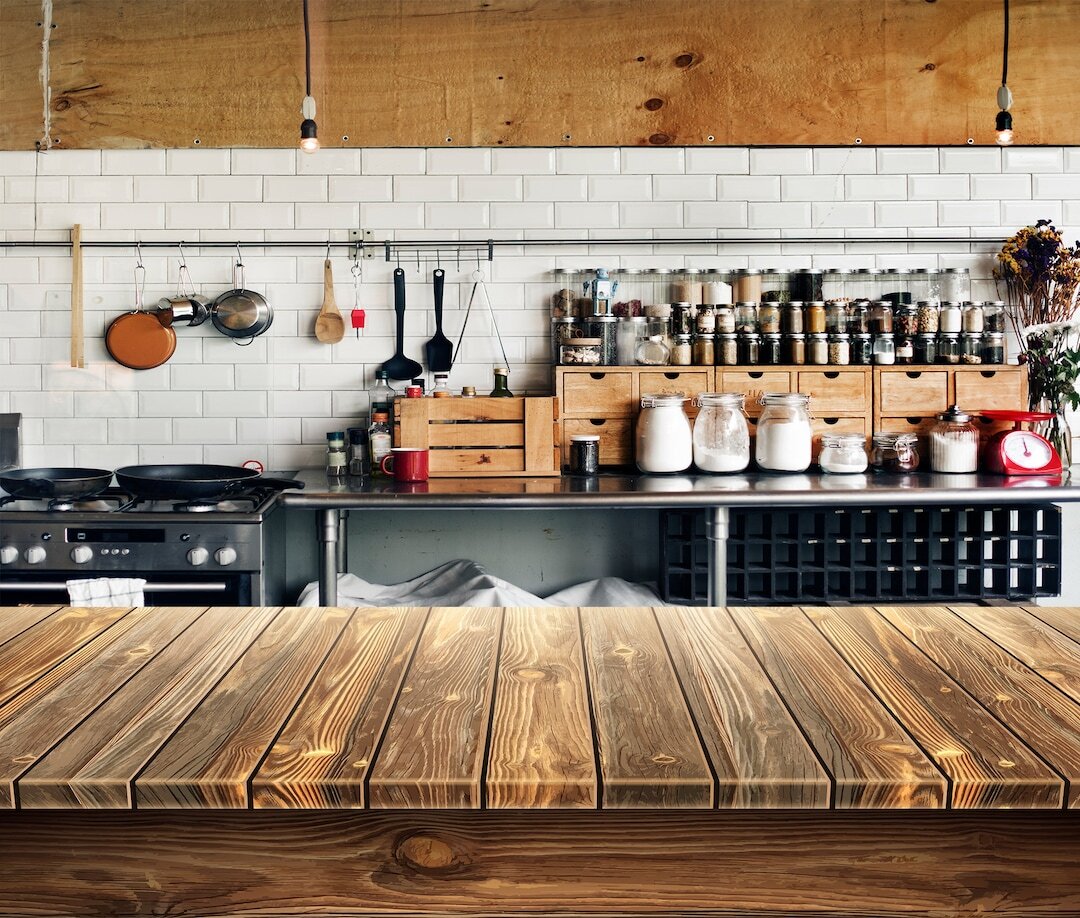
Selecting the perfect wedding venue is a deeply personal journey, and understanding the distinct characteristics of various venue types can significantly aid in this decision. Each venue offers a unique atmosphere and aesthetic, influencing everything from your decor choices to the overall guest experience. Exploring these examples will help you visualize how different settings can bring your wedding vision to life.To further illustrate the diverse options available, let’s delve into some popular wedding venue categories, highlighting their inherent charm and potential for customization.
Rustic Barn Wedding Venue
A rustic barn wedding venue exudes a natural, down-to-earth charm that is both inviting and picturesque. These venues typically feature exposed wooden beams, high ceilings, and often an open-plan layout, providing a blank canvas for couples to personalize. The inherent warmth of the wood and the often-rural setting lend themselves beautifully to organic and bohemian decor.The natural appeal of a barn venue can be enhanced with a variety of decor elements:
- Floral arrangements featuring wildflowers, greenery, and burlap accents.
- String lights or fairy lights draped across beams to create a magical ambiance.
- Wooden signage, chalkboards, and vintage furniture for a touch of rustic elegance.
- Linen tablecloths in natural tones or checkered patterns.
- Mason jars, lanterns, and galvanized metal elements for centerpieces and accents.
These venues are ideal for couples seeking an intimate, relaxed, and authentically charming celebration.
Grand Ballroom Wedding Venue
For couples dreaming of a classic and sophisticated affair, a grand ballroom wedding venue offers unparalleled elegance and opulence. These venues are characterized by their high ceilings, ornate architectural details, crystal chandeliers, and expansive dance floors. The luxurious atmosphere provides a stunning backdrop for a formal and memorable event.The inherent grandeur of a ballroom can be complemented by decor that emphasizes its existing splendor:
- Luxe fabrics such as satin, silk, and velvet for drapery and table linens.
- Intricate floral centerpieces with abundant blooms and elegant greenery.
- Crystal and metallic accents to reflect light and enhance the venue’s sparkle.
- Formal place settings with fine china, silverware, and personalized menus.
- Uplighting and dramatic lighting to create a sophisticated ambiance.
Ballrooms are particularly well-suited for larger guest lists and formal wedding traditions, ensuring a majestic and unforgettable experience.
Charming Garden Wedding Venue
A charming garden wedding venue offers a romantic and picturesque outdoor setting, often characterized by lush greenery, vibrant floral displays, and serene natural beauty. These venues provide a breathtaking backdrop for ceremonies and receptions, creating an intimate and whimsical atmosphere. The natural elegance of a garden allows for a celebration that feels both organic and enchanting.The romantic setting of a garden venue can be further enhanced with thoughtful decor:
- Abundant floral arrangements, cascading bouquets, and floral arches.
- Soft, flowing fabrics for drapery and aisle runners.
- Fairy lights and lanterns to illuminate the space as dusk settles.
- Wooden elements, such as arbors or signage, to blend with the natural surroundings.
- Outdoor seating arrangements that encourage mingling and enjoyment of the scenery.
Garden venues are perfect for couples who envision a fairy-tale wedding, filled with natural beauty and an intimate, romantic ambiance.
Modern Industrial Wedding Venue
A modern industrial wedding venue provides a unique and edgy aesthetic, often characterized by exposed brick, concrete floors, high ceilings with exposed ductwork, and large windows. These spaces offer a raw, minimalist backdrop that can be transformed to suit a variety of styles, from chic and contemporary to urban and eclectic. Their flexibility makes them a popular choice for couples seeking a distinctive and personalized celebration.The versatile nature of an industrial venue allows for a wide range of creative decor possibilities:
- Geometric elements, metallic accents, and bold color palettes.
- Mix-and-match furniture for a contemporary, curated look.
- Minimalist floral arrangements or statement installations.
- Edgy lighting, such as Edison bulbs or neon signs.
- Personalized touches like custom art or unique signage.
These venues are ideal for couples who appreciate a contemporary vibe and want a space that reflects their modern sensibilities.
Beachfront Wedding Venue
A beachfront wedding venue offers the ultimate scenic backdrop with the soothing sounds of the ocean and the breathtaking beauty of the coastline. These venues provide a relaxed yet stunning setting for a memorable celebration, allowing couples to exchange vows with the sand between their toes and the sea breeze in their hair. The natural beauty of the beach requires minimal decoration, allowing the environment to be the star.The relaxed and scenic atmosphere of a beachfront venue can be enhanced with complementary decor:
- Light and airy fabrics, such as chiffon or organza, for drapery.
- Floral arrangements featuring tropical blooms, seashells, and natural textures.
- Nautical elements like driftwood, ropes, and lanterns.
- Soft, natural color palettes inspired by the sand, sea, and sky.
- Outdoor seating arrangements that maximize ocean views.
Beachfront venues are perfect for couples who desire a destination-style wedding with a laid-back, romantic, and unforgettable experience.
Last Recap

By thoughtfully considering your wedding vision, meticulously managing your budget, and thoroughly assessing venue options, you are well-equipped to secure a location that will serve as the stunning backdrop for your unforgettable day. Remember to trust your instincts, ask all necessary questions, and ensure every detail is documented to finalize your booking with confidence.