Embarking on the journey of wedding planning involves numerous exciting details, and one of the very first steps is ensuring your guests are aware of your special date. Understanding how to effectively address and send save-the-dates is paramount to setting a positive and organized tone for your upcoming celebration.
This guide delves into the essential aspects of save-the-dates, from their fundamental purpose and the crucial information they must contain, to the etiquette surrounding their distribution and the ideal timing based on your wedding’s nature. We will explore the creative process of designing and personalizing these important announcements, ensuring they reflect your unique style as a couple, and provide clear, actionable advice on the best practices for addressing them to all your guests, including families and various couple dynamics.
Furthermore, we will examine the different methods of sending, weigh their advantages and disadvantages, and offer practical tips to avoid common pitfalls. Finally, we will address special circumstances that might require tailored approaches, ensuring no guest is overlooked in your exciting preparations.
Understanding Save-the-Date Essentials
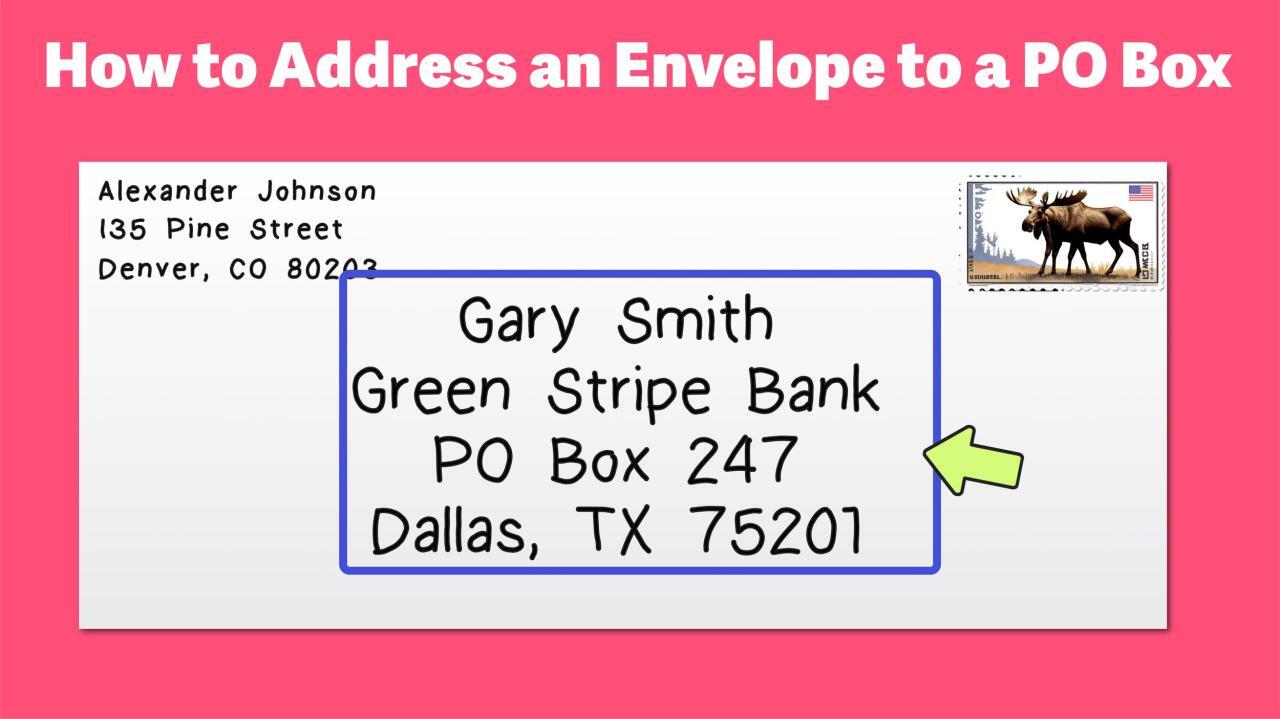
A save-the-date is a crucial preliminary announcement for your wedding, designed to give your guests ample notice to clear their schedules and make necessary travel arrangements. It serves as a formal heads-up before the official invitation arrives, ensuring that your nearest and dearest can be present to celebrate your special day. Think of it as the first official step in building anticipation and ensuring maximum attendance.The fundamental purpose of a save-the-date is to inform your guests about your wedding date and location early in the planning process.
This allows them to prioritize your event, especially if they have other commitments or live far away. By sending a save-the-date, you are demonstrating consideration for your guests’ time and resources, which is a hallmark of thoughtful wedding planning.
Essential Information for Save-the-Dates
To effectively serve its purpose, a save-the-date must contain specific, vital details. These pieces of information are non-negotiable and ensure your guests have all they need to mark their calendars.The following are the key components that must be included on every save-the-date:
- The names of the couple getting married.
- The wedding date (month, day, and year).
- The city and state where the wedding will take place.
- A clear indication that a formal invitation will follow.
Save-the-Date Etiquette Guidelines
Adhering to certain etiquette standards ensures your save-the-dates are well-received and understood by your guests. These guidelines help maintain a polite and organized communication flow throughout your wedding planning.Consider these common etiquette guidelines when sending out your save-the-dates:
- Send save-the-dates to all guests you intend to invite to the wedding.
- If you are having a destination wedding or a wedding on a holiday weekend, it is especially important to send save-the-dates well in advance.
- Avoid sending save-the-dates to guests you are not able to invite due to venue capacity or other limitations.
- If your wedding date or location changes significantly after sending save-the-dates, it is courteous to send out updated announcements.
Ideal Timeframe for Distributing Save-the-Dates
The timing of your save-the-date distribution is highly dependent on the nature and location of your wedding. Providing adequate notice is key to ensuring your guests can make arrangements, especially for more complex wedding scenarios.The ideal timeframe for sending save-the-dates varies based on the wedding type:
- Local Weddings: For weddings taking place in your guests’ local area, sending save-the-dates 6 to 8 months in advance is generally sufficient. This allows them time to mark their calendars without feeling rushed.
- Destination Weddings: For destination weddings, where guests will need to arrange travel, accommodation, and potentially take time off work, it is advisable to send save-the-dates 9 to 12 months in advance. For example, a couple planning a wedding in Hawaii for guests primarily residing on the East Coast of the United States would benefit greatly from sending save-the-dates a full year prior.
- Holiday Weekend Weddings: If your wedding falls on a holiday weekend, such as Memorial Day or Labor Day, guests may already have travel plans or family commitments. Therefore, sending save-the-dates 9 to 12 months in advance is recommended to give them sufficient notice to adjust their plans.
- Weddings with Many Out-of-Town Guests: Even if not a destination wedding, if a significant portion of your guest list will be traveling, aim for the 9 to 12-month window. This shows extra consideration for their travel planning needs.
Designing and Customizing Save-the-Dates
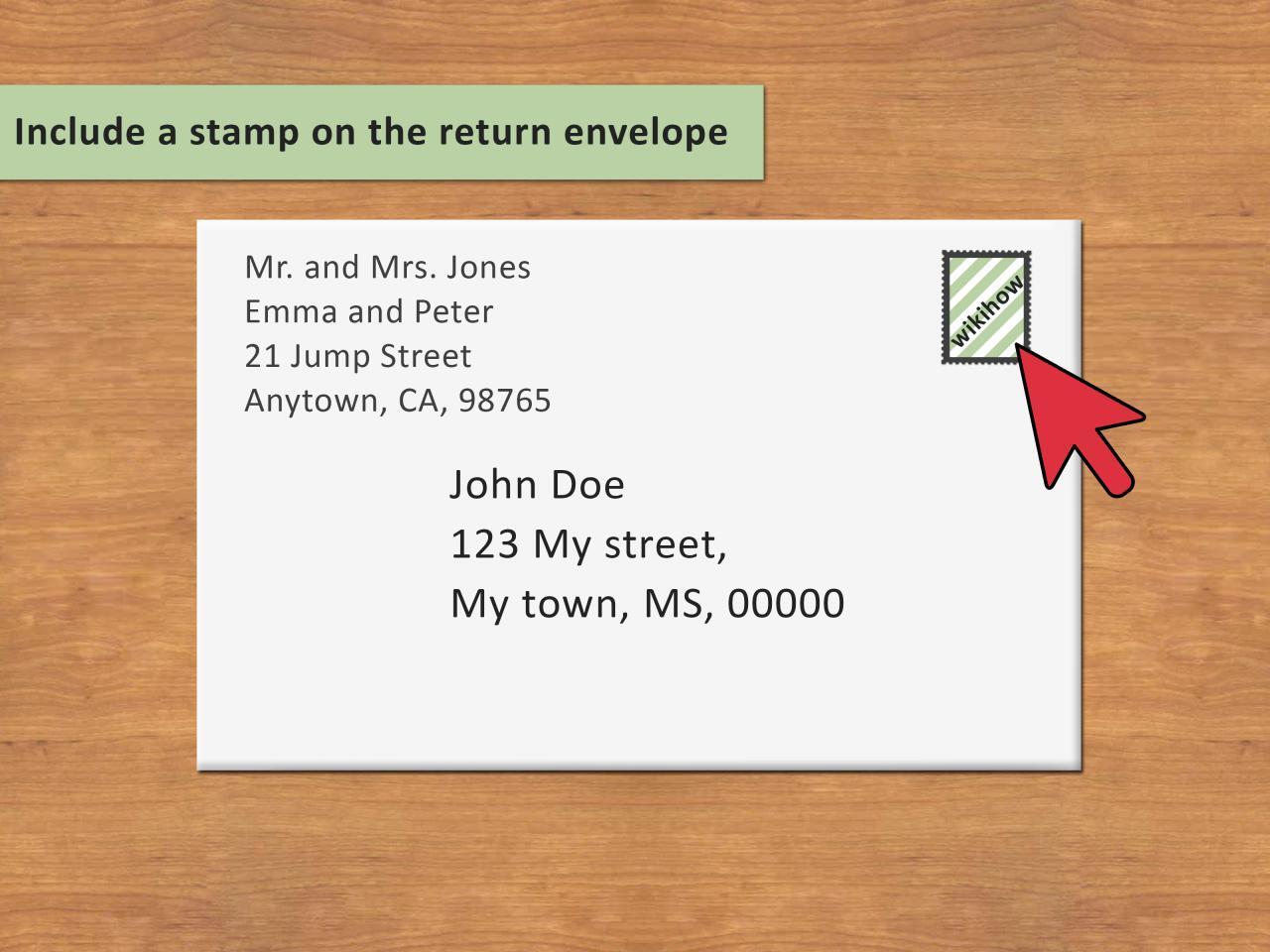
The save-the-date is the first tangible glimpse your guests will have into your wedding, setting the tone and anticipation for your special day. Thoughtful design and personalization ensure it resonates with your unique style as a couple and aligns with your overall wedding theme.This section will guide you through creating save-the-dates that are not only informative but also a beautiful reflection of your upcoming celebration.
We will explore various design aesthetics, the importance of personalization, key visual elements to consider, and how to infuse your personality into every detail.
Wedding Theme Design Styles
Selecting a design style for your save-the-dates that complements your wedding theme is crucial for creating a cohesive and memorable impression. The aesthetic should hint at the overall atmosphere and formality of your event, providing guests with a preview of what to expect.Here are several popular design styles, each suitable for different wedding themes:
- Classic & Elegant: Characterized by clean lines, sophisticated typography (such as serif fonts), and a refined color palette (whites, creams, golds, silvers, and deep jewel tones). This style is ideal for formal, traditional, or black-tie weddings.
- Rustic & Bohemian: Features natural textures (wood grain, burlap, kraft paper), hand-drawn illustrations, earthy color schemes (greens, browns, terracotta), and more relaxed typography. This style is perfect for barn weddings, outdoor ceremonies, or celebrations with a natural, free-spirited vibe.
- Modern & Minimalist: Emphasizes simplicity, geometric shapes, bold sans-serif fonts, and a limited color palette, often with a focus on white space. This style suits contemporary, urban, or chic weddings.
- Romantic & Whimsical: Incorporates floral motifs, delicate script fonts, soft pastels or vibrant watercolor splashes, and charming illustrations. This style is fitting for garden weddings, fairytale-inspired celebrations, or those with a touch of enchantment.
- Vintage & Retro: Draws inspiration from specific eras, using distressed textures, antique-inspired fonts, and color palettes reminiscent of the chosen period. This is excellent for themed weddings or couples who appreciate historical aesthetics.
Personalization Options for Save-the-Dates
Personalizing your save-the-dates transforms them from a generic announcement into a cherished keepsake that truly represents your relationship. It allows you to share a piece of your story with your guests, making them feel more connected to your upcoming wedding.Consider these avenues for adding a personal touch:
- Couple’s Photos: Including a favorite engagement photo or a candid shot of the two of you can make the save-the-date incredibly personal and visually appealing. Ensure the photo quality is high and complements the overall design.
- Custom Illustrations: Commissioning an artist to create a unique illustration of the couple, your venue, or a meaningful symbol can add a deeply personal and artistic element.
- Meaningful Quotes or Lyrics: A short, sweet quote from a favorite book, movie, or song that holds significance for your relationship can be a lovely addition.
- Monograms or Initials: A custom-designed monogram featuring your initials can be a classic and elegant way to personalize your stationery.
- Personalized Wording: While the core information remains the same, you can adjust the tone of the message to reflect your personalities, perhaps with a lighthearted or heartfelt opening.
Key Design Elements for Visual Appeal
The thoughtful inclusion of various design elements can elevate your save-the-dates from functional to fabulous, ensuring they capture attention and convey your wedding’s essence. These elements work together to create a cohesive and aesthetically pleasing piece of stationery.Before selecting your design, it’s beneficial to consider these crucial visual components:
- Typography: The choice of fonts significantly impacts the overall feel. A combination of a script font for names and a clean sans-serif or serif font for details often creates a balanced and readable design.
- Color Palette: Select colors that align with your wedding theme and season. These colors will likely be carried through to your invitations and other wedding stationery.
- Paper Stock: The weight and texture of the paper contribute to the tactile experience. Options range from smooth matte finishes to textured cardstock, linen, or even recycled paper.
- Layout and White Space: A well-organized layout ensures readability, while strategic use of white space prevents the design from looking cluttered and enhances its sophistication.
- Imagery and Graphics: This can include anything from subtle watercolor washes and floral patterns to bold graphic elements or personal photographs.
- Embellishments: While often reserved for invitations, subtle embellishments like foil stamping, letterpress, or a simple ribbon can add a touch of luxury to save-the-dates if desired.
Incorporating Personal Touches that Reflect the Couple’s Personality
Infusing your save-the-dates with personal touches is an opportunity to showcase your unique bond and individual personalities, making the announcement feel authentically “you.” This is where your save-the-date truly becomes a reflection of your relationship.Here are ways to weave your personalities into the design:
- Shared Hobbies or Interests: If you’re both avid hikers, a subtle mountain silhouette or a compass motif might be appropriate. If you love to travel, a vintage map background or a passport-style design could be fitting.
- Inside Jokes or Memorable Moments: While subtle, a small icon or a phrase that alludes to a shared memory can add a delightful personal touch that only those close to you might understand.
- Your “Story” Elements: Consider incorporating elements that represent how you met or significant milestones in your relationship. For instance, if you met at a coffee shop, a delicate coffee cup illustration could be a sweet detail.
- Pet Inclusion: If your furry friends are a big part of your lives, a small illustration or silhouette of your pet can add a heartwarming and personal touch.
- Artistic Style Preference: If one of you is an artist or has a distinct aesthetic, try to incorporate that style, whether it’s through custom hand-lettering or a specific artistic medium depicted in the design.
The save-the-date is more than just an announcement; it’s the opening chapter of your wedding story.
Sending Save-the-Dates
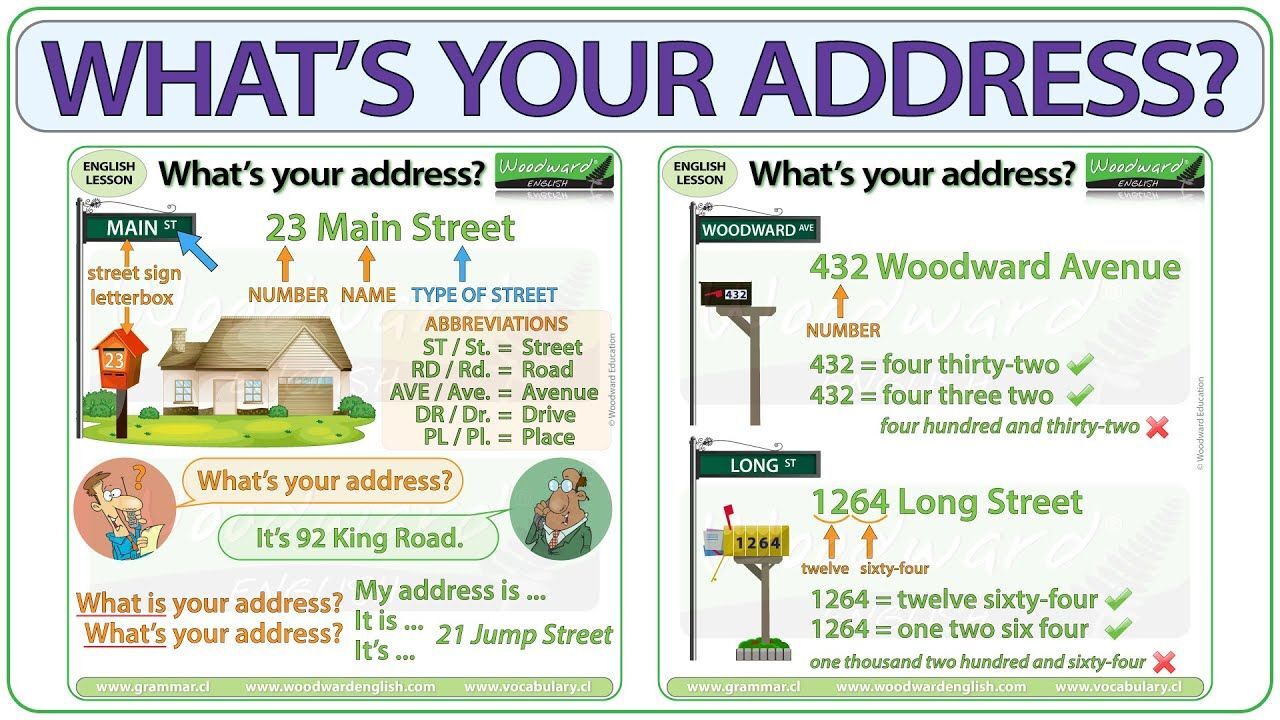
Once you have thoughtfully designed and customized your save-the-dates, the next crucial step is ensuring they reach your guests effectively. This involves selecting the most appropriate sending method, preparing them for transit, and implementing a system to track their delivery. Choosing the right approach will help manage guest expectations and allow them ample time to plan for your special day.
Save-the-Date Sending Methods
The method you choose for sending save-the-dates can significantly impact their reception and your overall wedding planning timeline. There are two primary approaches: traditional physical mail and modern digital options, each with its own set of advantages and considerations.
Physical Mail
Sending save-the-dates via traditional mail offers a tangible and classic touch that many guests appreciate. It provides a sense of formality and can be a beautiful keepsake. However, it requires more time for preparation and delivery, and can be more costly due to printing and postage expenses.
Digital Options
Digital save-the-dates, sent via email or through wedding websites, offer speed, cost-effectiveness, and convenience. They allow for quick distribution and easy tracking. While efficient, some guests may prefer a physical memento, and ensuring emails reach inboxes (and not spam folders) is important.
Pros and Cons of Sending Methods
To make an informed decision, it’s beneficial to weigh the advantages and disadvantages of each sending method.
- Physical Mail:
- Pros: Perceived formality, tactile keepsake, less likely to be overlooked compared to emails.
- Cons: Higher cost (printing, postage, envelopes), longer delivery times, potential for lost mail, requires accurate physical addresses.
- Digital Options:
- Pros: Cost-effective, faster delivery, easier to track delivery status, environmentally friendly, can link directly to wedding websites for more information.
- Cons: May be perceived as less formal, potential for emails to go to spam or be missed, requires guests to have readily accessible email addresses.
Preparing Save-the-Dates for Mailing
For those opting for physical mail, meticulous preparation is key to ensuring your save-the-dates arrive in pristine condition and with the correct postage. This process involves several important considerations to avoid delays or misdelivery.
Postage Considerations
The cost of postage can vary depending on the size, weight, and destination of your save-the-dates. It is essential to weigh a sample save-the-date with its envelope and any enclosures at the post office to determine the correct postage. Standard letter rates apply to items that are rectangular, uniformly thick, and not rigid. Unusual shapes, extra thickness, or the inclusion of embellishments can lead to additional postage charges, often referred to as “non-machinable” surcharges.
It is also wise to purchase slightly more postage than you calculate, as a buffer for any minor variations.
Tracking Digital Save-the-Dates
When sending save-the-dates digitally, implementing a tracking system can provide peace of mind and help you identify guests who may not have received or opened your message.
- Read Receipts: While not always foolproof, enabling read receipts on your emails can indicate when a message has been opened.
- Wedding Website Analytics: If you are directing guests to a wedding website, many platforms offer analytics that show how many visitors have accessed the site, providing a general idea of engagement.
- Direct Communication: For a more personal touch, you can follow up with guests via text message or a phone call if you haven’t received a response or confirmation within a reasonable timeframe.
Common Mistakes to Avoid When Sending Save-the-Dates
To ensure your save-the-date reaches every guest and serves its purpose effectively, it’s important to be aware of potential pitfalls. Avoiding these common errors will contribute to a smoother planning process.
- Ensure all addresses are current. This includes verifying street names, house numbers, apartment or suite numbers, and zip codes. For digital sending, confirm email addresses are accurate and regularly checked by your guests.
- Double-check spelling of names. Incorrectly spelled names can be disheartening for guests and may even lead to misaddressed mail.
- Confirm correct postage is applied. Under-stamping can result in your save-the-dates being returned to sender or incurring additional charges for the recipient.
- Send with adequate lead time. Save-the-dates should ideally be sent 6-8 months before a domestic wedding and 8-12 months before a destination wedding to allow guests ample time to make arrangements.
- Consider the formality of your wedding. A highly formal wedding might warrant the elegance of physical invitations, while a more casual affair could be well-suited to digital announcements.
Special Circumstances and Considerations

While the core principles of sending save-the-dates remain consistent, certain wedding scenarios require tailored approaches to ensure your guests are well-informed and can make arrangements accordingly. These special circumstances often involve unique logistical challenges or a need for clear communication to manage expectations.This section will guide you through navigating save-the-date strategies for destination weddings, intimate gatherings, multiple pre-wedding events, and managing large guest lists effectively.
Destination Weddings
For destination weddings, providing ample notice is paramount due to the significant travel and accommodation planning required from your guests. Save-the-dates serve as an early heads-up, allowing attendees to research flights, book time off work, and secure lodging.When sending save-the-dates for a destination wedding, consider the following:
- Timing: Aim to send these at least six to twelve months in advance. This timeframe allows international guests, in particular, to secure better travel deals and navigate visa requirements if necessary.
- Information: Clearly state that it is a destination wedding and mention the general location (e.g., “in Tuscany, Italy”). While specific venue details may not be finalized, indicating the region helps guests with their initial planning.
- Website: Include a link to your wedding website. This is crucial for destination weddings as it can house more detailed information about travel, accommodation options, local attractions, and recommended vendors.
- Tone: Convey excitement for sharing your special destination with loved ones.
Elopements and Intimate Weddings
The concept of a save-the-date for an elopement or a very small, intimate wedding might seem counterintuitive, as the guest list is minimal or non-existent. However, if you are inviting a select few guests to a small ceremony or a destination elopement that requires travel, a save-the-date can still be beneficial.For these very small gatherings, a save-the-date is typically only necessary if:
- Guests are traveling: If your few guests need to arrange travel and accommodation, a save-the-date, even just a few weeks or months prior, can be helpful.
- The event is a surprise: In rare cases, if the intimate wedding or elopement is a surprise for a select group, a save-the-date might be used as a very subtle, early indicator of an upcoming celebration.
In most elopements or very small weddings where guests are local and no significant planning is required, an invitation sent closer to the date is usually sufficient.
Multiple Events and Pre-Wedding Parties
When your wedding celebration spans multiple events, such as engagement parties, bridal showers, bachelor/bachelorette parties, rehearsal dinners, and the wedding day itself, clear communication through save-the-dates is essential. These allow guests to anticipate the various dates and plan their availability accordingly.Here’s how to manage save-the-dates for multiple events:
- Separate Save-the-Dates: For significant pre-wedding events that require advance planning or travel, consider sending separate save-the-dates. For instance, if a destination engagement party is planned, a save-the-date for that event is advisable.
- Combined Information: For less formal or local pre-wedding parties, you might mention them on the main wedding save-the-date, indicating that more details will follow. For example, “Save the date for our wedding weekend, [Date]! More details on pre-wedding festivities to come.”
- Wedding Website: A comprehensive wedding website is invaluable for listing all events, their dates, and providing RSVP information for each.
- Guest Communication: Be mindful of overwhelming guests. Prioritize save-the-dates for events that necessitate significant advance planning.
Managing Large Guest Lists and Sending Procedures
Handling a large number of save-the-dates requires a systematic approach to ensure accuracy and efficiency. The goal is to distribute them promptly and without errors, especially when dealing with hundreds of invitations.To manage large guest lists and sending procedures effectively:
- Digital Tools: Utilize wedding planning software or robust spreadsheet programs (like Google Sheets or Microsoft Excel) to manage your guest list. These tools allow for easy sorting, filtering, and data entry.
- Address Verification: Implement a system for collecting and verifying addresses. This could involve sending out digital address request forms to guests or having a designated person cross-reference addresses.
- Batch Sending: Group your save-the-dates by geographical location or by specific guest segments to streamline the mailing process.
- Professional Printing and Mailing Services: For very large guest lists, consider outsourcing printing and mailing to a professional service. This can save considerable time and reduce the risk of errors.
- Proofreading: Always have multiple people proofread the guest list and the save-the-date content before printing and sending.
Guest List Segmentation for Targeted Distribution
Segmenting your guest list allows for a more personalized and strategic approach to sending save-the-dates, especially when dealing with different tiers of guests or various event participation levels. This ensures that the right information reaches the right people at the appropriate time.A procedure for creating a guest list segmentation for targeted save-the-date distribution could include the following steps:
- Define Segmentation Criteria: Determine the primary factors for segmentation. Common criteria include:
- Relationship to Couple: Family (immediate, extended), close friends, work colleagues, acquaintances.
- Travel Requirements: Local guests, out-of-town guests, international guests.
- Event Participation: Guests invited to the wedding ceremony and reception, guests invited to the ceremony only, guests invited to pre-wedding events.
- Household/Group: Single guests, couples, families with children.
- Create Master Guest List: Compile a comprehensive master list of all potential guests with their full contact information, including addresses.
- Apply Segmentation Filters: Use your spreadsheet or database to apply the defined criteria. For example, filter for “International Guests” or “Immediate Family.”
- Assign Save-the-Date Type: Based on the segmentation, assign the appropriate save-the-date type. For instance, international guests might receive a save-the-date earlier and with more detailed travel information.
- Generate Targeted Lists: Create separate lists for each segment. This makes it easier to manage the sending process and tailor the message if necessary.
- Review and Refine: Periodically review your segmented lists to ensure accuracy and make any necessary adjustments. This is particularly important for large weddings where guest dynamics can evolve.
By segmenting your guest list, you can ensure that each group receives the most relevant information, leading to a smoother planning experience for both you and your guests.
Conclusive Thoughts
Navigating the intricacies of addressing and sending save-the-dates can seem daunting, but by following these comprehensive guidelines, you can confidently manage this crucial pre-wedding task. From mastering the art of addressing different guest types to choosing the most suitable sending method and considering unique wedding scenarios, this guide equips you with the knowledge to make a memorable first impression. A well-executed save-the-date not only informs your guests but also builds anticipation and excitement, setting the stage for a joyous celebration.